

Replacing a roof is one of the most significant investments a homeowner can make. Not only does it protect your home from the elements, but it also enhances its overall value and curb appeal. However, the costs associated with roof replacement can vary widely based on several factors, including the type of materials used, the size of the roof, and local labor rates. In this article, we will explore the various aspects that contribute to roof replacement costs and provide practical advice for homeowners considering this essential home improvement project.
Factors Influencing Roof Replacement Costs
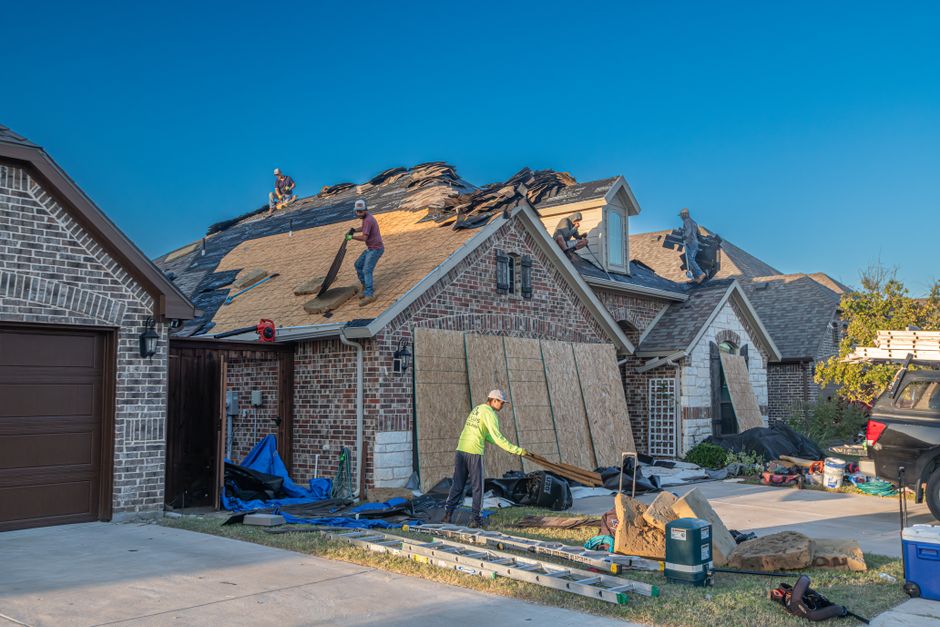
Several key factors play a role in determining the overall cost of roof replacement. Understanding these factors can help homeowners budget effectively and make informed decisions about their roofing projects.
First and foremost, the type of roofing material chosen significantly impacts the cost. Asphalt shingles are generally the most affordable option, while metal, tile, and slate roofs tend to be more expensive. For instance, metal roofs can last longer but may have a steeper upfront cost. Additionally, the size of the roof will directly correlate with the amount of material needed and the labor involved. Larger roofs require more materials and longer installation times, which will naturally increase costs.
Another critical factor is the roof’s pitch. Steeper roofs are more challenging to work on, requiring additional safety measures and sometimes specialized equipment. As a result, homeowners may incur higher labor costs for steeply pitched roofs. Lastly, the local market can also influence costs; areas with a higher cost of living typically have higher labor rates.
Average Costs for Different Roofing Materials
When planning a roof replacement, it’s essential to have a clear understanding of the average costs associated with different materials. Asphalt shingles, the most common roofing material, typically range from $90 to $100 per square (100 square feet), including both materials and labor. This makes them an attractive option for budget-conscious homeowners.
On the other hand, metal roofing systems can cost between $150 to $600 per square, depending on the type of metal used and the complexity of the installation. While the initial investment is higher, metal roofs often come with long warranties and can last up to 50 years, making them a cost-effective option in the long run.
Tile roofs, known for their durability and aesthetic appeal, generally start around $300 per square and can go up to $1,000 or more per square. This option is particularly popular in warmer climates, where they can help keep homes cool. Lastly, natural slate roofs can cost anywhere from $600 to $1,500 per square, making them one of the most expensive options available. However, their longevity and unique appearance often justify the higher price tag.
Additional Costs to Consider
In addition to the material and labor costs, several other expenses may arise during a roof replacement project. For example, homeowners may need to pay for the removal of the old roofing material, which can add $1 to $5 per square foot to the total cost. If the underlying structure is damaged or requires repair, this can also increase expenses significantly.
Furthermore, the installation of additional features such as skylights, ventilation systems, or gutters can contribute to the overall cost. These upgrades, while beneficial, should be factored into the budget early on to avoid surprises later in the project. Homeowners should also consider the costs associated with permits and inspections, which can vary by location and may add to the overall expense.
Financing Options for Roof Replacement
For many homeowners, financing a roof replacement can be a practical solution to manage costs. Various options are available, including personal loans, home equity lines of credit, and specialized financing programs offered by roofing contractors. Each option comes with its benefits and drawbacks, so it’s crucial to evaluate them carefully.
Home equity loans and lines of credit can provide access to lower interest rates, but they require sufficient equity in the home. Personal loans, while often easier to obtain, may come with higher interest rates. Some roofing companies also offer financing plans that allow homeowners to pay off the project over time, making it a more manageable expense.
Before choosing a financing option, homeowners should shop around for the best rates and terms, ensuring they choose a solution that aligns with their financial situation.
Conclusion
Roof replacement is a significant investment that demands careful consideration and planning. By understanding the various factors that influence roof replacement cost, homeowners can make informed decisions that suit their budget and needs. From selecting the right materials to exploring financing options, being prepared will help ensure a successful roofing project that enhances the value and safety of their home.