

As the world becomes increasingly interconnected, the concept of luxury hotels has evolved into a unique blend of comfort, style, and experience. These establishments are not just places to stay; they are destinations in their own right, offering unparalleled service and an ambiance that caters to the discerning traveler. In this article, we will explore the various aspects that define luxury hotels and what makes them stand out from conventional accommodations.
Understanding Luxury: What Defines a Luxury Hotel?
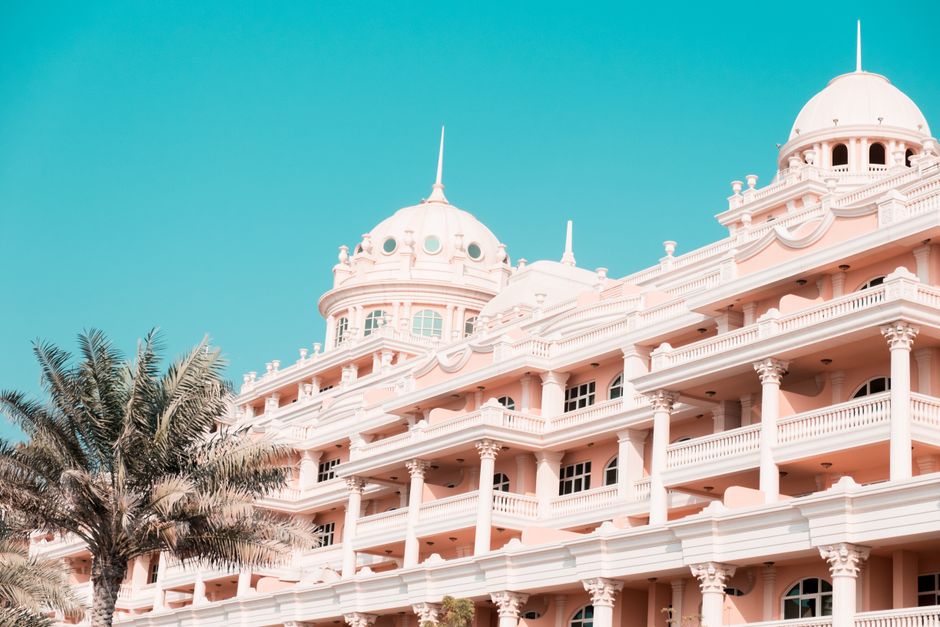
Luxury hotels are characterized by their exceptional service, high-quality amenities, and exquisite design. But what exactly sets them apart? First and foremost, it is the attention to detail that distinguishes these establishments. From personalized welcome amenities to bespoke services, every aspect is meticulously curated to provide an unforgettable experience. Furthermore, luxury hotels often boast prime locations, whether nestled in the heart of a bustling city or perched on a serene beach.
Statistics reveal that the luxury hotel market has been growing steadily, with a projected CAGR of 4.5% from 2021 to 2026. This growth can be attributed to the rising disposable income of travelers and their increasing desire for unique experiences. Many luxury hotels now offer exclusive packages that include private tours, fine dining, and wellness activities, elevating the overall experience.
Moreover, the design of luxury hotels plays a crucial role in their allure. Architects and interior designers work closely to create spaces that are not only aesthetically pleasing but also functional. Whether it’s a stunning infinity pool overlooking the ocean or a lavish spa designed for relaxation, every element is crafted to perfection.
The Role of Service in Luxury Hospitality
Service is the cornerstone of luxury hospitality. Staff at luxury hotels are trained to anticipate the needs of their guests, often before they even voice them. This level of service creates a feeling of exclusivity and pampering that is hard to replicate elsewhere. For instance, many luxury hotels employ concierges who are experts in the local area, offering personalized recommendations and reservations that cater to individual preferences.
Furthermore, the concept of ‘service with a smile’ takes on a whole new meaning in luxury hotels. Staff members are often trained in emotional intelligence, ensuring they can connect with guests on a personal level. This bond not only enhances the guest experience but also fosters loyalty, leading to repeat visits.
In addition to traditional services, some luxury hotels are now incorporating technology to enhance guest experiences. Features such as mobile check-in, smart room controls, and personalized guest apps are becoming increasingly common, allowing for a seamless and convenient stay.
Unique Experiences Offered by Luxury Hotels
Luxury hotels are renowned for their ability to offer unique experiences that go beyond mere accommodation. Many establishments curate exclusive activities that immerse guests in local culture and nature. For example, some hotels organize private vineyard tours, cooking classes with renowned chefs, or guided adventures in nearby natural parks.
These experiences are not only memorable but also contribute to a deeper understanding of the destination. As travelers seek more than just a place to stay, luxury hotels are adapting by providing tailored experiences that resonate with their guests’ interests and values.
In some cases, luxury hotels even partner with local artisans and craftsmen to offer workshops, allowing guests to engage directly with the culture. This not only enhances the guest experience but also supports the local economy.
Sustainability and Luxury: The New Paradigm
In recent years, sustainability has become a significant focus for luxury hotels. As travelers become more environmentally conscious, the demand for sustainable practices within the hospitality industry has surged. Many luxury hotels are now incorporating green initiatives, such as energy-efficient systems, locally sourced food, and eco-friendly products.
For instance, some hotels have implemented programs that reduce waste, conserve water, and promote biodiversity. These initiatives not only benefit the environment but also appeal to a growing segment of travelers who prioritize sustainability in their travel choices.
Additionally, luxury hotels are increasingly engaging in community outreach programs, supporting local charities, and fostering relationships with nearby communities. This commitment to social responsibility enhances their reputation and builds a strong connection with guests who value ethical practices.
Conclusion: The Future of Luxury Hotels
The landscape of luxury hotels is continually evolving, driven by changing consumer preferences and societal trends. As we move forward, the focus on personalization, sustainability, and unique experiences will only intensify. Whether it’s through innovative technology, unparalleled service, or immersive cultural experiences, luxury hotels will continue to redefine what it means to travel in style.
For those seeking an unforgettable getaway, exploring the world of luxury hotels offers not just a place to stay but a chance to engage with the essence of a destination like never before.