

In the vibrant realm of children’s toys, manufacturers play a pivotal role in shaping the experiences and imaginations of young minds. The industry, which encompasses a wide array of products from educational toys to plush creatures, is not only a crucial part of childhood but also a significant sector in global economies. This article delves into the intricate processes behind toy manufacturing, the latest trends, and the impact of technology on the future of this beloved industry.
The Evolution of Toy Manufacturing
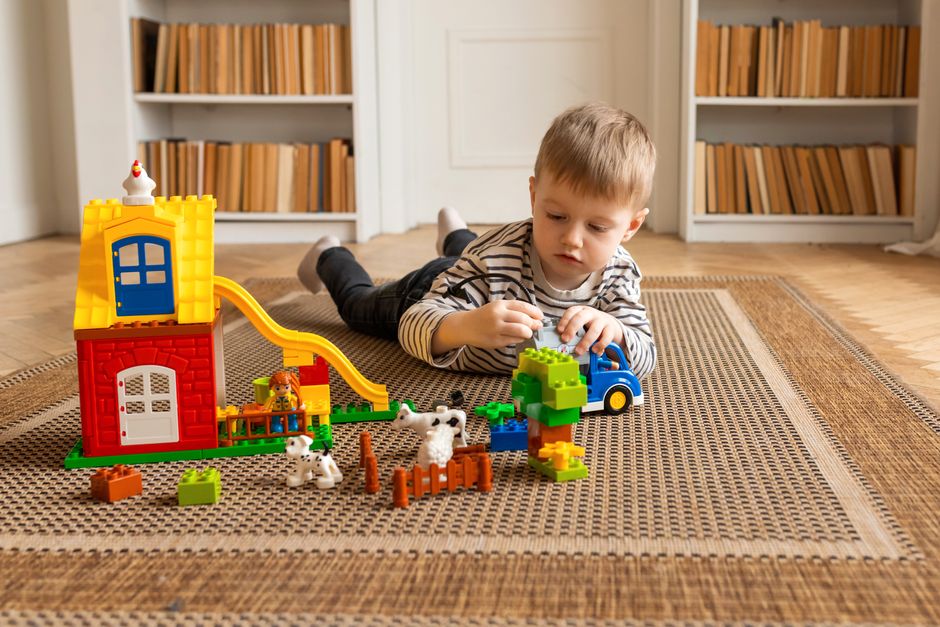
The history of toy manufacturing dates back to ancient civilizations, where simple objects were crafted for children’s entertainment. Over the centuries, this industry has experienced remarkable transformations, evolving from handmade wooden toys to sophisticated electronic gadgets. The advent of industrialization in the 19th century marked a significant turning point, allowing for mass production and accessibility of toys.
Today, manufacturers are challenged to blend tradition with innovation. Many brands, like children toy manufacturer, have adopted sustainable practices, sourcing eco-friendly materials to create products that are safe for children and the environment. This shift not only meets consumer demands but also aligns with global sustainability goals.
Current Trends in Children’s Toys
As the market evolves, several key trends are shaping the future of toy manufacturing. First and foremost, a growing emphasis is placed on educational toys that foster learning through play. These toys incorporate STEM (science, technology, engineering, and mathematics) concepts, encouraging critical thinking and problem-solving skills from an early age.
Additionally, the rise of digital play is transforming the landscape. Interactive toys that connect to apps or online platforms provide children with immersive experiences that blend physical and digital worlds. For instance, augmented reality toys allow kids to engage with their favorite characters in new and exciting ways, revolutionizing traditional play.
The Role of Technology in Toy Manufacturing
Technology is a significant driver of change in the toy industry. Advanced manufacturing techniques, such as 3D printing, enable companies to create prototypes quickly and cost-effectively. This not only speeds up the production process but also allows for customization and personalization in toy design.
Furthermore, data analytics plays a crucial role in understanding consumer preferences. Manufacturers can analyze trends in purchasing behavior, enabling them to tailor products that resonate with their target audience. By leveraging technology, companies can enhance the overall customer experience and foster brand loyalty.
Challenges Facing Toy Manufacturers
Despite its growth, the toy manufacturing industry faces several challenges. Safety regulations are becoming increasingly stringent, requiring manufacturers to adhere to rigorous standards to ensure the safety of their products. This necessitates continuous investment in quality control and compliance measures.
Moreover, the global supply chain disruptions experienced in recent years have highlighted vulnerabilities in sourcing and distribution. Manufacturers must navigate these complexities while maintaining cost-effectiveness and timely delivery of products to retailers.
The Future of Children’s Toy Manufacturing
The future of toy manufacturing appears bright, driven by innovation, sustainability, and a deeper understanding of child development. As consumers demand more engaging and educational products, manufacturers are poised to invest in research and development to meet these expectations.
Moreover, the incorporation of artificial intelligence and robotics in production processes will likely streamline manufacturing operations and enhance product quality. As the industry adapts to changing consumer needs and technological advancements, the possibilities for creativity and growth are limitless.
Conclusion
In conclusion, the world of children’s toy manufacturing is a dynamic and ever-evolving landscape that reflects broader societal changes and technological advancements. From the evolution of handmade toys to the integration of high-tech features, manufacturers are continuously pushing the boundaries of what is possible. By embracing innovation and prioritizing sustainability, the industry can ensure a bright future for the next generation of toys that inspire creativity and learning.