

In an era where digital experiences are becoming increasingly important, virtual tour photography has emerged as a revolutionary way to explore places without stepping outside. This innovative form of photography allows users to immerse themselves in environments ranging from art galleries to real estate properties, providing a sense of presence that static images simply cannot achieve. As businesses and individuals leverage this technology, understanding its significance and application becomes essential.
What is Virtual Tour Photography?
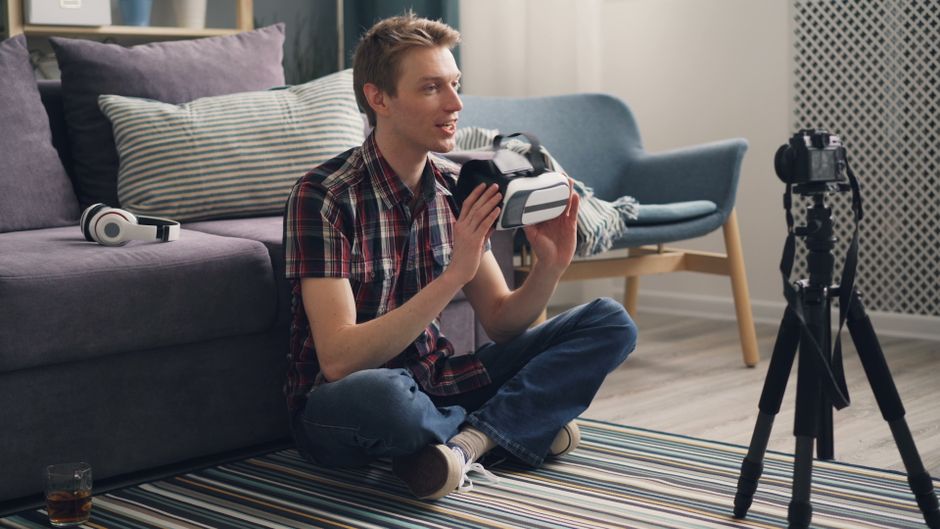
Virtual tour photography is a technique that combines various photographic methods to create an interactive, panoramic experience. It typically involves taking a series of high-resolution images that are stitched together to form a 360-degree view of a particular space. This allows viewers to navigate through the environment as if they were physically present, offering a realistic representation of the location.
This method is particularly useful in industries such as real estate, tourism, and hospitality, where showcasing a space can significantly influence potential customers’ decisions. By utilizing virtual tour photography, businesses can provide an engaging experience that highlights the unique features of their offerings.
The Benefits of Virtual Tours in Business
Incorporating virtual tours into business strategies can lead to numerous advantages. First and foremost, they enhance customer engagement. Research indicates that listings with virtual tours receive 87% more views compared to those with traditional photos alone. This increased visibility can lead to higher conversion rates, as potential customers feel more informed and connected to the space they are considering.
Moreover, virtual tours can save time and resources. For real estate agents, for instance, offering virtual tours means that they can qualify leads more effectively, as clients can explore properties remotely before scheduling in-person visits. This not only streamlines the process but also enhances the overall customer experience.
Additionally, virtual tours can provide valuable analytics. Businesses can track how users interact with their tours, gaining insights into customer preferences and behaviors. This data can inform marketing strategies and help tailor offerings to meet consumer demands.
Technological Advances in Virtual Tour Photography
The evolution of technology has significantly impacted virtual tour photography. With the advent of high-definition cameras and advanced software, creating immersive experiences has never been easier. For instance, 360-degree cameras are now widely available, allowing for high-quality images to be captured with minimal effort.
Furthermore, software solutions have emerged to facilitate the stitching and editing process, enabling photographers to produce polished virtual tours quickly. Platforms that support interactive features, such as hotspots and embedded videos, are also becoming commonplace, enriching the user experience.
As technology continues to advance, we can expect even more innovative features in virtual tour photography. For example, the integration of virtual reality (VR) could take these experiences to a whole new level, allowing users to not just view but also interact with their surroundings in real time.
Applications of Virtual Tour Photography
The applications of virtual tour photography are vast and varied. In the real estate sector, agents can showcase homes and commercial spaces in a way that traditional photos cannot match. This has become especially important in a post-pandemic world, where remote viewings have become the norm.
Moreover, the tourism industry has embraced virtual tours as a means to attract visitors. Museums, historical sites, and hotels offer virtual experiences to entice travelers to visit in person. For example, famous museums have created virtual tours that allow users to explore exhibits from the comfort of their homes, which can lead to increased foot traffic when visitors decide to explore in person.
In education, virtual tours can provide students with immersive learning experiences. Schools and universities can use these tools to offer virtual campus tours, enhancing recruitment efforts and giving prospective students a taste of campus life.
Future Trends in Virtual Tour Photography
As we look to the future, several trends are likely to shape the landscape of virtual tour photography. One significant trend is the increasing use of artificial intelligence (AI) in creating more personalized experiences. AI can analyze user behavior and preferences, tailoring tours to meet individual needs and interests.
Additionally, as the demand for remote experiences continues, we may see a rise in hybrid models that combine virtual and in-person elements. For example, businesses might offer virtual tours alongside live events, allowing participants to engage from anywhere in the world.
Moreover, the integration of augmented reality (AR) could further enhance virtual tours, enabling users to visualize products or features in a real-world context. This could be particularly beneficial in retail and real estate, where seeing how a product or space fits into their lives can influence purchasing decisions.
Conclusion
Virtual tour photography is not just a trend; it is a powerful tool that can transform how we experience and interact with spaces. By leveraging this technology, businesses can enhance customer engagement, save time, and gain valuable insights into consumer behavior. As technology continues to evolve, the possibilities for virtual tour photography are limitless. Embracing these changes can lead to innovative marketing strategies and improved customer experiences. For those looking to delve deeper into the world of virtual tour photography, exploring resources and services available online can provide further guidance and support in harnessing this exciting technology. Consider starting with virtual tour photography to elevate your business’s presence in a digital-first world.