

Maintaining a septic tank is crucial for ensuring the longevity of your wastewater management system. Neglecting proper cleaning and maintenance can lead to serious problems, including costly repairs and environmental hazards. In this guide, we will explore the importance of septic tank cleaning, the signs that indicate your tank needs attention, and best practices for keeping your system in optimal condition.
Understanding Septic Systems
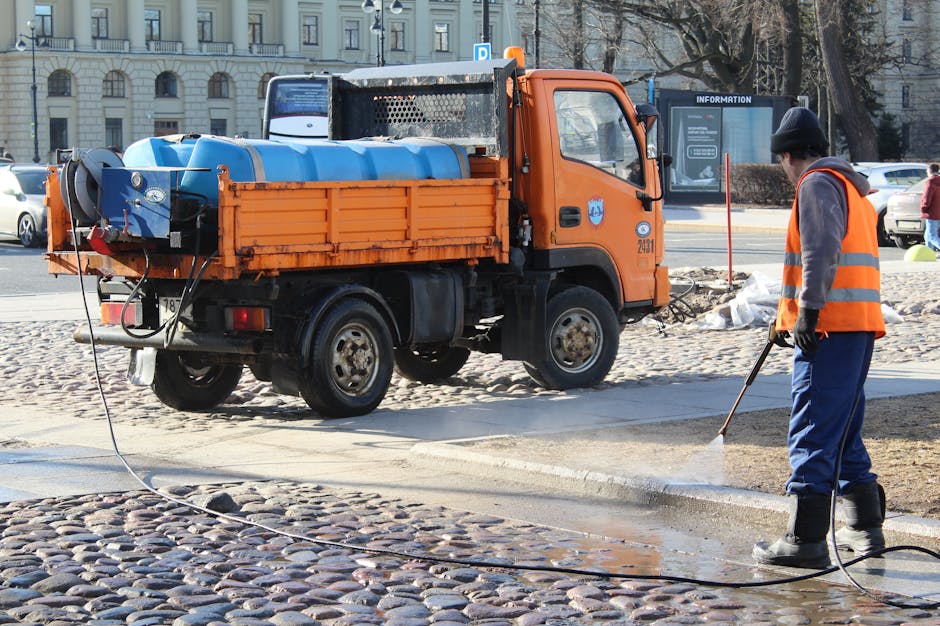
Septic systems are designed to treat and dispose of household wastewater. Typically, they consist of a septic tank and a drain field. Wastewater flows from your home into the septic tank, where solids settle at the bottom and liquids flow out into the drain field for further treatment. Understanding how this process works is essential for proper maintenance.
Most septic tanks require cleaning every 3 to 5 years, depending on the size of the tank and the number of occupants in the household. Regular cleaning is necessary to prevent sludge buildup, which can obstruct the tank’s function and lead to backups.
Signs Your Septic Tank Needs Cleaning
There are several signs that may indicate your septic tank is due for a cleaning. These include:
- Slow draining sinks and toilets
- Foul odors around the septic area
- Pooling water in your yard over the drain field
- Gurgling sounds in the plumbing system
If you notice any of these symptoms, it is advisable to schedule a septic tank cleaning as soon as possible. Delaying maintenance can exacerbate the issues and lead to more severe problems.
The Cleaning Process
The septic tank cleaning process typically involves pumping out the contents of the tank to remove sludge and scum. A professional service will use specialized equipment to ensure the job is done effectively and safely. Here’s a brief overview of the steps involved:
- Inspection of the tank and surrounding area for any signs of damage.
- Pumping out the tank to remove solids and liquids.
- Cleaning the tank and inspecting the inlet and outlet baffles.
- Re-filling the tank with fresh water to ensure proper functioning.
After cleaning, it’s important to monitor your system regularly and schedule maintenance according to the recommended timeline. Regular septic maintenance can save you from expensive repairs down the line.
Best Practices for Septic Tank Maintenance
In addition to regular cleaning, there are several best practices you can adopt to maintain your septic tank:
- Avoid flushing non-biodegradable items down the toilet.
- Limit the use of harsh chemicals that can disrupt the bacterial balance in your tank.
- Implement water conservation measures to reduce the overall load on your system.
- Have your tank inspected regularly by a professional.
By following these practices, you can extend the lifespan of your septic system and avoid costly issues.
Conclusion
Septic tank cleaning is a vital aspect of home maintenance that should not be overlooked. By understanding your septic system, recognizing the signs of needed maintenance, and adhering to best practices, you can ensure that your wastewater management system operates efficiently. Regular cleaning and maintenance not only protect your home but also safeguard the environment from potential contamination.