

Drain cleaning is a crucial aspect of home maintenance that is often overlooked until a problem arises. Regularly maintaining and cleaning your drains can prevent significant plumbing issues and costly repairs in the long run. This guide will delve into the importance of drain cleaning, common methods, signs that your drains need attention, and tips for maintaining a healthy drainage system.
Why Drain Cleaning is Important
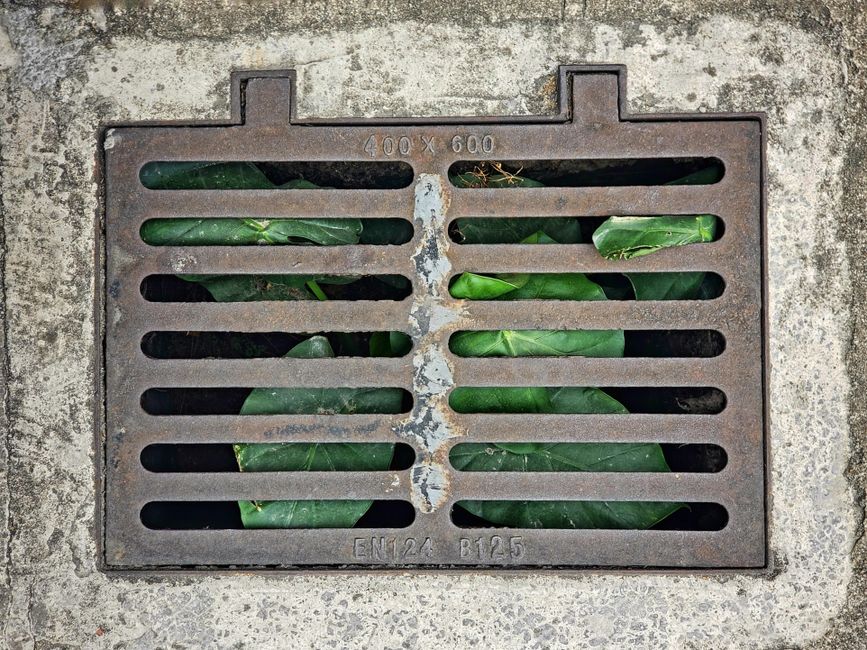
Maintaining clean drains is essential for several reasons. First and foremost, it helps prevent clogs that can lead to water backing up in your sinks, tubs, or toilets. According to the Environmental Protection Agency (EPA), clogged drains can contribute to unsanitary conditions in your home, as they often lead to stagnant water that becomes a breeding ground for bacteria and insects.
Moreover, regular drain cleaning can extend the life of your plumbing system. Over time, debris, grease, and minerals can build up in your pipes, causing wear and tear. By keeping your drains clean, you reduce the likelihood of serious plumbing issues, which can be incredibly costly to fix.
Additionally, clean drains can improve the overall efficiency of your plumbing system. When drains are clear, water flows smoothly, reducing pressure on pipes and minimizing the risk of leaks. This efficiency can lead to lower water bills, making drain cleaning not just a preventive measure but also a cost-saving strategy.
Common Methods for Drain Cleaning
There are several effective methods for cleaning drains, each with its advantages and disadvantages. One of the most common methods is using a plunger. This tool can be effective for minor clogs in sinks and toilets. By creating a vacuum effect, plungers can dislodge blockages and restore proper flow.
For more stubborn clogs, a drain snake (or auger) may be necessary. This tool consists of a long, flexible metal wire that can reach deep into pipes to break up clogs. It is especially useful for hair and grease build-up that is beyond the reach of a plunger.
Chemical drain cleaners are another popular option, but they should be used with caution. While these products can effectively dissolve certain types of clogs, they can also damage pipes and are harmful to the environment. As a safer alternative, many homeowners opt for natural drain cleaning solutions, such as baking soda and vinegar, which can help break down build-up without the risks associated with chemicals.
Signs Your Drains Need Cleaning
It’s crucial to recognize the signs that indicate your drains need cleaning. One of the most apparent signs is slow drainage; if water takes longer than usual to drain, it may suggest a blockage. Additionally, if you notice a foul smell coming from your drains, it could indicate the presence of stagnant water or decomposing debris.
Another telltale sign is gurgling sounds when water is draining. This noise often indicates air trapped in the pipes due to a blockage. If you experience frequent clogs or backups, it’s a clear indication that your drains require immediate attention.
Lastly, consider scheduling regular drain cleaning as a preventive measure. Even if you don’t notice any problems, having your drains cleaned annually can help maintain their health and efficiency.
DIY Drain Maintenance Tips
In addition to professional drain cleaning, there are several DIY maintenance tips homeowners can implement to keep their drains in good condition. Regularly flushing your drains with hot water can help dissolve grease and soap build-up. Additionally, using a drain strainer can catch debris before it enters the pipes, significantly reducing the risk of clogs.
Another effective technique is periodically using a mixture of baking soda and vinegar to clean drains. Pouring a cup of baking soda followed by a cup of vinegar down the drain can help break down minor clogs and eliminate odors. After letting the mixture sit for about 30 minutes, flush the drain with hot water to clear any remaining debris.
It’s also essential to be mindful of what you put down your drains. Avoid disposing of grease, coffee grounds, and large food particles, as these can lead to significant clogs. Instead, dispose of such materials in the trash or compost them.
When to Call a Professional
While many homeowners can tackle minor clogs on their own, there are times when it’s best to call in a professional. If you’ve tried various DIY methods without success, or if you notice recurring issues, it’s time to consult a plumbing expert. They have access to specialized tools and techniques that can address more severe blockages.
Moreover, if you suspect that there are deeper issues within your plumbing system, such as tree root infiltration or damaged pipes, a professional can conduct an inspection to identify the problem. In such cases, relying on their expertise can save you from further damage and expenses.
For residents in need of immediate assistance with plumbing issues, contacting a local service for Sewer repair Crown Point IN can provide prompt and effective solutions.
Conclusion
Drain cleaning is an essential component of home maintenance that should not be overlooked. By understanding the importance of regular cleaning, recognizing the signs of clogged drains, and employing effective cleaning methods, homeowners can maintain a healthy plumbing system. Remember to take preventive measures and seek professional help when necessary to ensure your drains remain in optimal condition for years to come.