

In today’s fast-paced business world, the importance of a well-designed commercial space cannot be overstated. From enhancing employee productivity to creating a lasting impression on clients, the role of a commercial interior designer is pivotal in shaping the environments where business happens. This article delves into the multifaceted responsibilities and skills that define a commercial interior designer, offering insights for businesses looking to elevate their spaces.
The Essentials of Commercial Interior Design
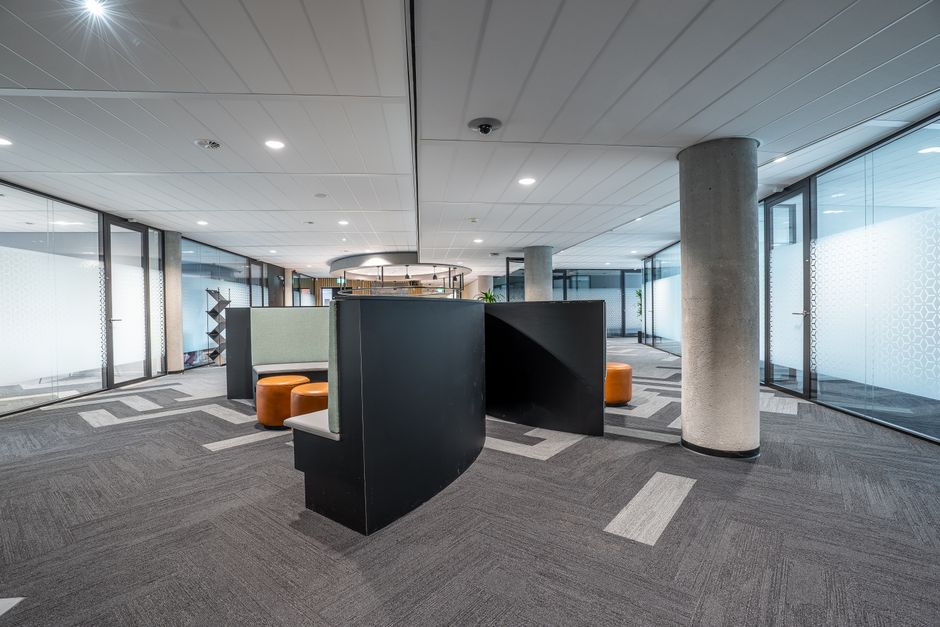
Commercial interior design involves creating functional and aesthetically pleasing environments for businesses. Unlike residential design, which focuses on personal comfort and style, commercial design prioritizes practicality and brand identity. A commercial interior designer must consider factors such as space planning, color psychology, and materials that align with the client’s brand.
For instance, the layout of a restaurant must facilitate smooth traffic flow while also providing an inviting atmosphere. This balance requires a keen understanding of both design principles and the specific needs of the business. Additionally, ensuring compliance with local building codes and accessibility standards is crucial, making the role of a commercial interior designer both creative and technical.
Understanding Client Needs and Brand Identity
One of the primary tasks of a commercial interior designer is to understand the client’s vision and needs. This involves thorough consultations to grasp the brand’s identity, target audience, and operational requirements. By aligning the design with the company’s goals, the designer can create a cohesive space that reflects the brand’s ethos.
For example, a tech startup may prefer a modern, open-concept office that fosters collaboration, while a law firm might opt for a more traditional, formal design to convey trust and professionalism. This understanding of client needs extends beyond aesthetics; it’s about crafting environments that enhance functionality and employee well-being.
Trends in Commercial Interior Design
The commercial interior design landscape is constantly evolving, influenced by trends in technology, sustainability, and workplace culture. For instance, the rise of remote work has led many businesses to rethink their office layouts, leading to the incorporation of flexible workspaces and collaborative areas.
Moreover, sustainability is becoming a priority, with many companies seeking eco-friendly materials and energy-efficient designs. A commercial interior designer must stay updated on these trends to provide clients with innovative solutions that meet contemporary demands.
Another notable trend is the integration of technology into design. Smart office solutions, such as automated lighting and climate control systems, are increasingly popular, enhancing both convenience and energy efficiency. By incorporating these elements, a commercial interior designer can help businesses create spaces that are not only stylish but also functional and future-proof.
The Process of Working with a Commercial Interior Designer
Engaging a commercial interior designer typically involves several stages, starting from initial consultation to final installation. The process usually begins with an assessment of the existing space and a discussion of the client’s vision and goals.
Following this, the designer develops a concept that includes floor plans, color schemes, and material selections. Once the concept is approved, detailed drawings and specifications are created. This stage is crucial for ensuring that all aspects of the design are well-planned and executable.
Finally, the implementation phase involves coordinating with contractors and suppliers to bring the design to life. A skilled commercial interior designer will manage this process, ensuring that the project stays on schedule and within budget. For those looking to elevate their corporate environment, collaborating with a commercial interior designer can lead to transformative results.
Measuring the Impact of Design on Business Performance
The success of a commercial interior design project can often be measured by its impact on business performance. Well-designed spaces can enhance employee productivity, improve client satisfaction, and ultimately drive profitability. Research has shown that workplace design can significantly influence employee morale and productivity levels.
For example, companies that invest in high-quality, well-designed workspaces report higher employee retention rates and job satisfaction. Additionally, an appealing environment can leave a positive impression on clients, thereby fostering stronger business relationships.
In conclusion, the role of a commercial interior designer extends far beyond aesthetics. It encompasses a deep understanding of client needs, current design trends, and the practicalities of executing a vision. For businesses aiming to create impactful environments, partnering with a skilled professional is an investment that can yield significant returns.
Conclusion
In summary, commercial interior designers play a crucial role in shaping the environments where businesses operate. Their expertise in design, client engagement, and project management can lead to spaces that not only meet functional requirements but also enhance brand identity and employee well-being. As the landscape of commercial spaces continues to evolve, the demand for skilled designers who can navigate these changes will only grow. Investing in professional design services is not just about aesthetics; it’s about creating spaces that inspire and drive success.