

Home improvement is not just about enhancing the aesthetic appeal of your living space; it’s also about increasing the value of your home and ensuring comfort and functionality. Whether you are a seasoned DIY enthusiast or a newcomer to home renovations, understanding the essentials of home improvement can make a significant difference in your projects. In this article, we will explore various aspects of home improvement, including planning, budgeting, and execution, to ensure that your efforts yield the best results.
Understanding Your Needs
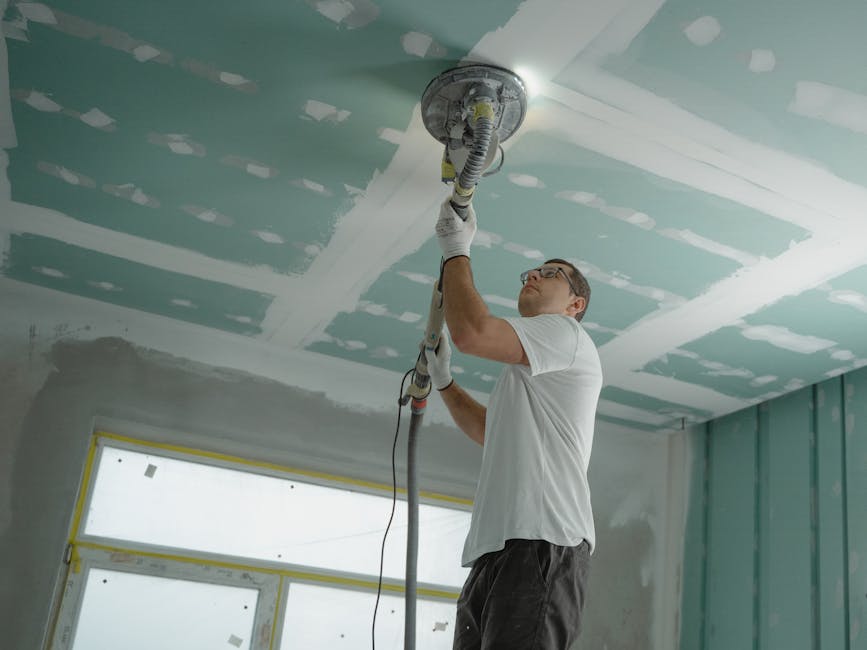
Before diving into any home improvement project, it’s crucial to assess your needs and the needs of your family. Consider the functionality of each room and how it can be optimized. For instance, if you have a growing family, you might need to create additional space or make the existing space more user-friendly. This could involve knocking down walls, adding storage solutions, or rethinking the layout of furniture.
Moreover, evaluating your home’s current condition is essential. Are there any structural issues that need addressing? For example, you might discover that your roof needs repairs or your plumbing system is outdated. Addressing these issues first ensures that your subsequent renovations are built on a solid foundation.
Setting a Realistic Budget
Budgeting is one of the most critical aspects of home improvement. Many homeowners make the mistake of underestimating the costs involved. Start by listing all the potential expenses, including materials, labor, permits, and unexpected costs that may arise. According to a survey by Remodeling Magazine, the average return on investment for home renovations can vary significantly, so it’s vital to prioritize projects that will offer the most value for your money.
Consider setting aside an emergency fund for unforeseen expenses. It’s not uncommon to encounter issues during renovations that require immediate financial attention. For example, if you’re updating your kitchen and find mold behind the cabinets, you’ll need to address that before proceeding.
Choosing the Right Materials
The materials you choose for your home improvement projects can significantly impact both the aesthetic and functional outcomes. When selecting materials, consider durability, maintenance, and sustainability. For instance, hardwood floors are beautiful and durable but require regular maintenance, while laminate flooring offers a cost-effective and low-maintenance alternative.
Additionally, opting for energy-efficient materials can lead to long-term savings on utility bills. Insulated windows and doors, for example, not only improve the comfort of your home but also reduce energy costs. Investing in high-quality materials may have a higher upfront cost but can save you money in the long run.
Hiring Professionals vs. DIY
Deciding whether to hire professionals or tackle home improvement projects yourself can be daunting. While DIY projects can save money and offer a sense of accomplishment, they may not always be the best choice. For complex renovations, such as electrical work or plumbing, hiring a licensed professional is advisable to ensure safety and compliance with local building codes.
On the other hand, many projects, like painting or landscaping, can be great DIY options. If you choose to go the DIY route, invest time in researching the project thoroughly. Online resources, including tutorials and forums, can provide valuable insights and tips to help you succeed.
Maintaining Your Improvements
After completing your home improvement projects, maintaining them is crucial to ensure longevity and continued satisfaction. Establish a regular maintenance schedule to check on the condition of your renovations. For instance, inspect your roof annually and clean your gutters to prevent water damage.
Furthermore, maintaining your outdoor spaces, such as gardens or patios, involves seasonal care. Regularly trimming plants, cleaning outdoor furniture, and checking for pests can keep your outdoor area enjoyable year-round. As you improve your home, consider documenting your projects, which can be useful for future renovations or when selling your home.
Conclusion
Home improvement is an exciting journey that can transform your living space into a comfortable and stylish haven. By understanding your needs, setting a realistic budget, choosing the right materials, and knowing when to hire professionals, you can navigate this process effectively. Remember that maintenance is just as important as the initial renovations to ensure your improvements stand the test of time. For those interested in exploring other aspects of home and lifestyle, check out this fashion blog for inspiration.