

In an age where home safety has become paramount, many homeowners are turning to advanced home security systems to protect their residences. These systems not only provide peace of mind but also offer a range of features that can enhance the safety and security of your property. From surveillance cameras to smart locks, understanding the various components of home security systems is essential for making informed decisions.
What is a Home Security System?
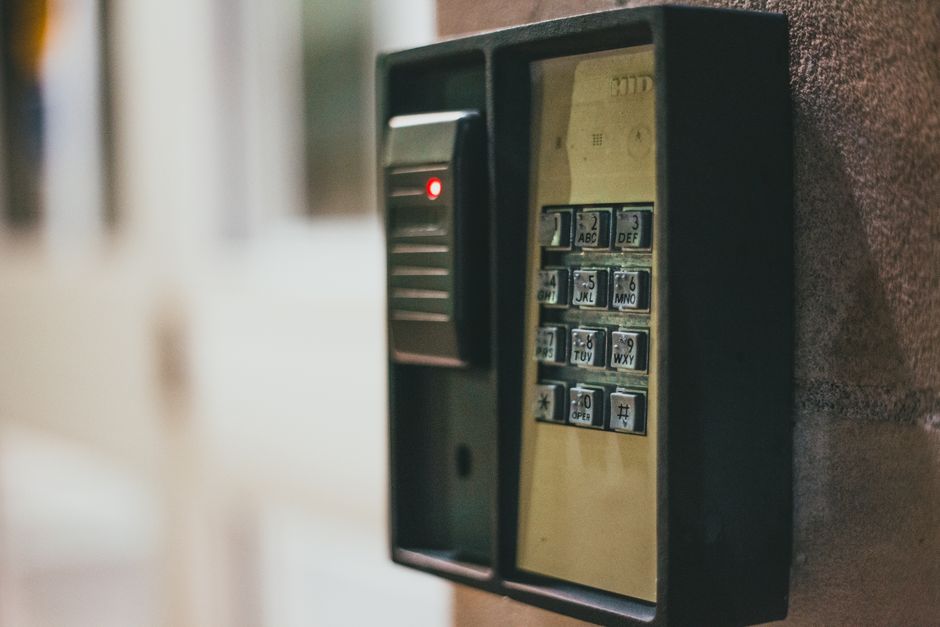
A home security system is a combination of devices designed to detect unauthorized entry into a home or property. It typically includes alarms, surveillance cameras, motion detectors, and sometimes smart home integrations. These systems can be monitored either by the homeowner or by a professional monitoring service that alerts authorities in case of a breach.
According to statistics, homes without security systems are up to three times more likely to be burglarized. This alarming figure highlights the importance of investing in a comprehensive security solution. Many modern systems come equipped with features such as remote access through smartphones, allowing homeowners to monitor their properties in real time.
Types of Home Security Systems
There are several types of home security systems available, each catering to different needs and preferences. Here are some of the most common types:
- Wired Systems: These systems are hardwired into the home’s electrical system and provide a reliable connection. They often require professional installation but are known for their robustness.
- Wireless Systems: Wireless systems use radio frequency to communicate between devices, making them easier to install and more flexible. They are particularly appealing for renters or those looking for a DIY solution.
- Smart Home Security Systems: These systems integrate with smart home devices, allowing for automation and remote control. Features may include smart locks, video doorbells, and voice-activated assistants.
The choice between these systems depends on factors such as budget, ease of installation, and personal preferences. Many homeowners now prefer the convenience of smart home integrations, which can enhance their overall security experience.
Key Features to Look For
When selecting a home security system, it’s crucial to consider the features that will best suit your needs. Some key features to look for include:
- 24/7 Monitoring: A monitoring service that operates around the clock can provide immediate responses to security breaches.
- Smartphone Integration: Being able to control and monitor your system from a smartphone app adds convenience and peace of mind.
- Video Surveillance: High-definition cameras with night vision capabilities can help you keep an eye on your property, even when you’re not home.
Investing in a home security system with these features can significantly enhance your home’s safety and deter potential intruders.
Cost Considerations
The cost of home security systems can vary widely based on the type of system, features, and installation requirements. On average, homeowners can expect to spend anywhere from $200 to $1,500 for a complete system.
In addition to the initial setup costs, it’s important to consider ongoing monitoring fees, which can range from $10 to $60 per month. Some companies offer no-contract options, while others may require you to sign a multi-year agreement. It’s advisable to compare different packages to find the one that best fits your financial situation.
Conclusion
In conclusion, investing in a home security system is a proactive measure that can protect your property and loved ones. By understanding the various types, key features, and costs associated with these systems, homeowners can make informed decisions that enhance their safety. With the right security system in place, you can enjoy greater peace of mind and a sense of security in your home.