

Irrigation systems are critical for enhancing agricultural productivity and ensuring food security in an ever-changing climate. As the world faces challenges such as water scarcity and fluctuating weather patterns, the need for effective irrigation practices has never been more pronounced. This article delves into the various types of irrigation systems, their benefits, and how they can be optimized for sustainable farming practices.
Understanding Irrigation Systems
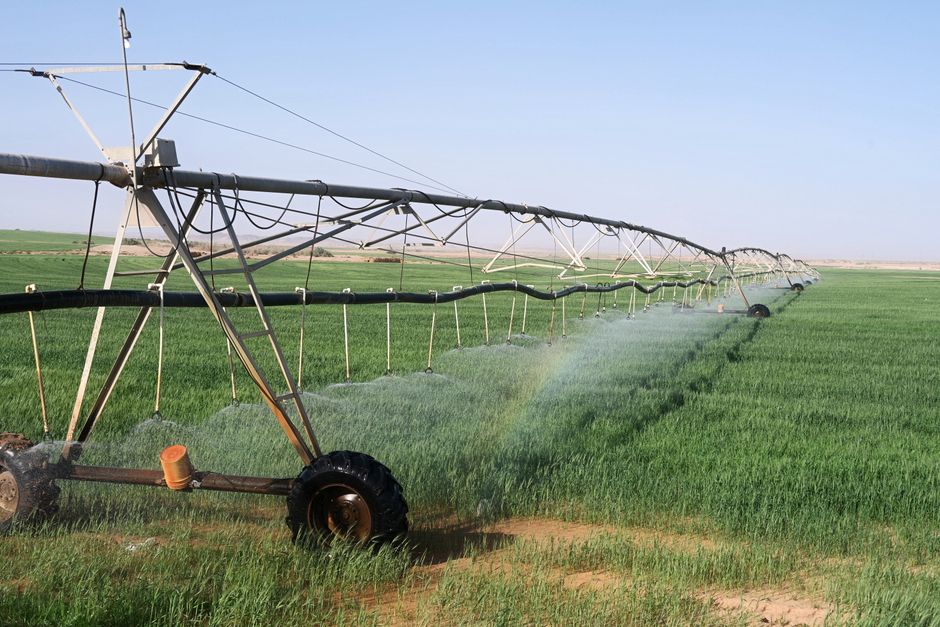
At its core, an irrigation system is designed to supply water to plants in a controlled manner. Various types of systems exist, including surface irrigation, drip irrigation, and sprinkler systems. Each method has its unique advantages and is suited for different types of crops and terrains. Surface irrigation is often used for large fields and relies on gravity to deliver water, while drip irrigation delivers water directly to the plant roots, minimizing waste.
According to a report by the Food and Agriculture Organization (FAO), approximately 20% of the world’s cultivated land is irrigated, contributing to 40% of global food production. This statistic underscores the importance of efficient irrigation systems in meeting the growing food demands.
Benefits of Modern Irrigation Techniques
Modern irrigation techniques offer numerous benefits over traditional methods. One major advantage is the conservation of water resources. Systems like drip irrigation can reduce water usage by up to 50% compared to surface irrigation. This efficiency not only saves water but also reduces the energy costs associated with pumping and distributing water.
Additionally, modern irrigation systems can improve crop yields significantly. For instance, a study published in the journal Agricultural Water Management found that farms utilizing advanced irrigation technologies experienced yield increases of up to 30%. This enhancement can be attributed to the precise water delivery that meets the plants’ needs, especially during critical growth stages.
Technological Innovations in Irrigation
The advent of technology has transformed the landscape of irrigation systems. Innovations such as smart irrigation controllers and sensors allow farmers to monitor soil moisture levels and weather conditions in real-time. By integrating these technologies, farmers can automate their irrigation systems, ensuring optimal water usage and enhancing crop health.
Moreover, the use of satellite imagery and data analytics can help farmers make informed decisions regarding irrigation scheduling and crop management. By analyzing data, farmers can determine the best times to irrigate, reducing waste and improving efficiency. For those interested in deepening their understanding, resources on the irrigation system can provide valuable insights into these technologies.
Challenges in Implementing Irrigation Systems
Despite their benefits, the implementation of irrigation systems is not without challenges. Initial costs for modern systems can be high, which may deter farmers from adopting them, particularly in developing regions. Additionally, the lack of technical knowledge and training can hinder effective utilization.
Furthermore, over-reliance on irrigation can lead to issues such as soil salinization and depletion of water resources. It is crucial for farmers to adopt best practices and sustainable methods to mitigate these risks. Regular maintenance of irrigation systems is also essential to ensure their longevity and efficiency.
The Future of Irrigation in Agriculture
Looking ahead, the future of irrigation systems in agriculture will likely be shaped by continued technological advancements and a greater emphasis on sustainability. Initiatives aimed at improving water management practices and promoting climate-resilient agriculture will be vital in addressing global food security challenges.
Investments in research and development will further enhance the efficiency of irrigation systems, making them more accessible and effective for farmers worldwide. As we strive for a sustainable agricultural future, the role of efficient irrigation systems will remain pivotal in ensuring food security and resource preservation.
Conclusion
In conclusion, irrigation systems are a fundamental component of modern agriculture, playing a crucial role in enhancing productivity and sustainability. By understanding the various types of systems available and leveraging technological innovations, farmers can optimize their irrigation practices for better yields and resource conservation. As the agricultural landscape continues to evolve, embracing efficient irrigation will be essential for addressing the pressing challenges of food security and environmental sustainability.