

Maintaining a septic tank is crucial for the health of your home and the environment. Regular cleaning is not just about aesthetics; it plays a significant role in ensuring the system functions efficiently. In this article, we will explore the importance of septic tank cleaning, how often it should be done, the process involved, and tips for maintaining your tank effectively.
Understanding the Importance of Septic Tank Cleaning
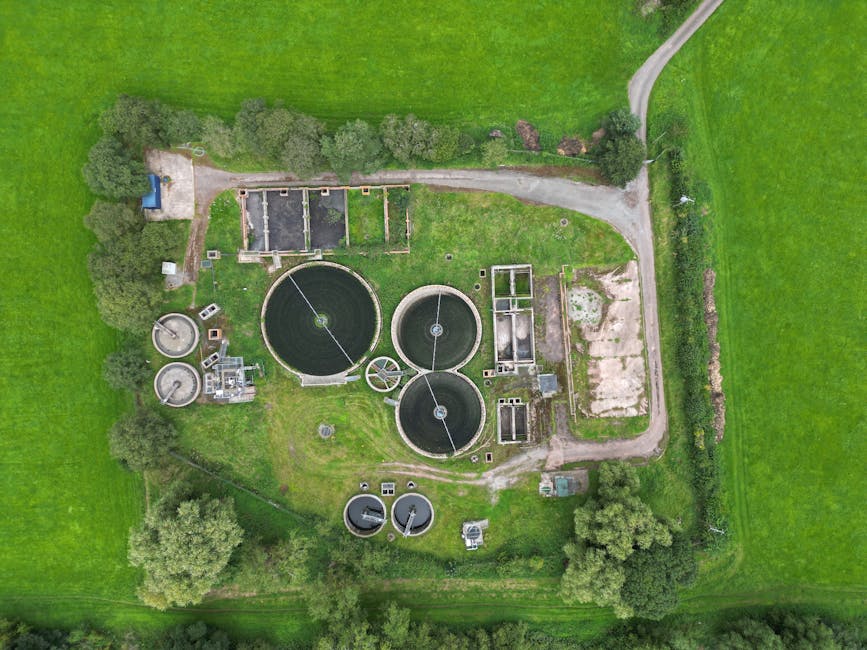
Septic tanks are designed to treat wastewater from your home. Over time, solid waste can accumulate, leading to blockages and system failures. Regular cleaning helps prevent these issues, ensuring that your septic system operates smoothly. According to the Environmental Protection Agency (EPA), neglecting proper maintenance can lead to costly repairs, environmental hazards, and even health risks.
Moreover, a well-maintained septic system can last for decades, while a neglected one may fail within a few years. The EPA suggests that homeowners should have their septic tanks inspected at least every three years and pumped as necessary. By understanding the importance of septic maintenance, you can save money in the long run and protect your property.
How Often Should You Clean Your Septic Tank?
The frequency of septic tank cleaning depends on several factors, including the size of the tank, the number of people in the household, and water usage. On average, a septic tank should be pumped every three to five years. However, homes with larger families or high water usage may require more frequent cleaning.
For example, a household of four people using a 1,000-gallon tank might need to pump it every three years. In contrast, a couple living in the same tank could extend that timeframe to five years or more. Keeping track of your system’s performance and scheduling regular inspections can help you determine the best cleaning schedule for your needs.
The Septic Tank Cleaning Process
The cleaning process typically involves several steps. First, a professional will assess the tank’s condition and locate the access points. Once the tank is accessed, the technician will remove the sludge and scum buildup using a vacuum truck. This process usually takes a couple of hours, depending on the tank’s size and condition.
After the tank has been cleaned, it is essential to check for any signs of damage or wear. This includes inspecting the baffles, which prevent solids from leaving the tank, and the outlet, which directs wastewater to the drain field. Regular inspections and maintenance can help identify issues before they become serious problems.
Tips for Maintaining Your Septic Tank
To ensure your septic system remains in good working condition, consider the following tips:
- Limit Water Usage: Reducing water consumption can alleviate stress on your septic system. Fix leaks, install water-saving fixtures, and spread out laundry loads to minimize water usage.
- Avoid Harmful Chemicals: Certain chemicals can disrupt the natural bacteria in your septic tank, leading to poor breakdown of waste. Avoid flushing chemicals, oils, or fats down the drain.
- Regular Inspections: Schedule regular inspections with a qualified technician to identify potential issues early on. Regular inspections can help you stay ahead of costly repairs.
- Educate Your Family: Ensure everyone in your household understands the importance of maintaining the septic system. Teach them what can and cannot be flushed down the toilet or poured down the sink.
Conclusion
In conclusion, septic tank cleaning is a vital aspect of home maintenance that should not be overlooked. By understanding the importance of regular cleaning, adhering to a proper maintenance schedule, and following best practices, you can prolong the life of your septic system and protect your property. Whether you are a new homeowner or have lived in your home for years, staying informed about your septic tank’s needs will ensure a healthy living environment for you and your family.