

In an era where data drives decision-making, the role of data analytics software has become crucial for businesses across industries. These tools empower organizations to transform raw data into actionable insights, thus enhancing operational efficiency and fostering informed strategic decisions. As the demand for data-driven solutions continues to grow, understanding the functionalities and benefits of data analytics software is essential for any organization looking to stay competitive.
Understanding Data Analytics Software
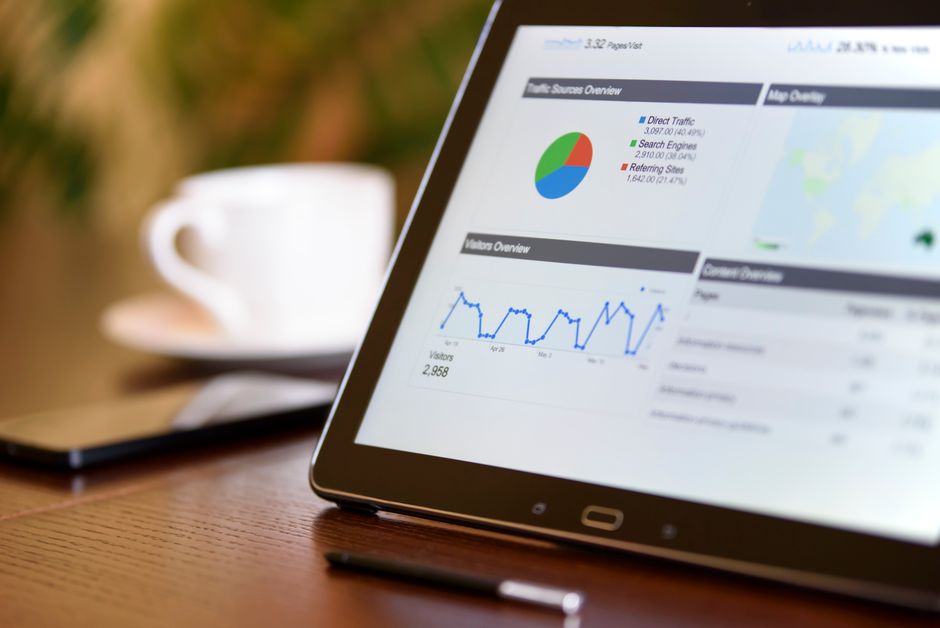
Data analytics software encompasses a range of tools designed to analyze, interpret, and visualize data. These platforms allow users to collect data from various sources, process it, and generate reports that highlight trends and patterns. With the advent of machine learning and artificial intelligence, many modern analytics tools can offer predictive insights, enabling businesses to anticipate future trends based on historical data.
Furthermore, the integration of data analytics software with other business intelligence tools enhances its capabilities. For instance, pairing analytics software with customer relationship management (CRM) systems can provide deeper insights into customer behavior, allowing for more targeted marketing strategies.
For organizations that are just starting their analytics journey, choosing the right software can be overwhelming. Factors such as ease of use, scalability, and integration with existing systems should be considered. Additionally, a clear understanding of the organization’s goals and the specific questions they want to answer with the data will guide the selection process.
Benefits of Data Analytics Software
The advantages of utilizing data analytics software are manifold. Firstly, these tools significantly enhance decision-making processes. By providing clear insights derived from data, organizations can make informed choices that align with their strategic goals. For example, a retail company may use analytics software to determine the effectiveness of a marketing campaign, enabling them to allocate resources more efficiently.
Secondly, data analytics software fosters a culture of data-driven decision-making across the organization. When employees have access to real-time data and insights, they can contribute more effectively to discussions and strategic planning sessions. This democratization of data not only empowers employees but also leads to increased innovation and collaboration.
Moreover, these tools can lead to significant cost savings. By identifying inefficiencies and areas for improvement within operations, organizations can optimize processes and reduce waste. For instance, a manufacturing firm might analyze production data to understand where bottlenecks occur, allowing them to streamline operations and enhance productivity.
Choosing the Right Data Analytics Software
Selecting the right data analytics software involves evaluating several key attributes. Firstly, consider the software’s user interface and ease of use. A tool that is intuitive and user-friendly can facilitate quicker adoption among team members. Additionally, look for software that offers robust data visualization capabilities, as visual representations of data can often reveal insights that raw data cannot.
Another crucial aspect is the software’s compatibility with existing systems. For organizations that rely heavily on specific databases or platforms, ensuring that the analytics tool can integrate seamlessly is essential for maximizing its value. This integration allows for a smoother workflow and reduces the time spent on data preparation.
Furthermore, scalability should be a consideration, especially for growing organizations. The chosen software should be able to accommodate increasing data volumes and complexity as the organization expands. This capability ensures that the tool remains effective in the long run without the need for frequent replacements.
Real-World Applications of Data Analytics Software
Data analytics software finds applications across various sectors, each benefiting from tailored insights. For instance, in the healthcare industry, analytics tools help medical professionals analyze patient data to improve treatment outcomes and operational efficiency. Hospitals can utilize data analytics to track patient flow and optimize staffing based on demand patterns.
In the finance sector, data analytics software plays a pivotal role in risk assessment and fraud detection. By analyzing transaction patterns and identifying anomalies, financial institutions can protect themselves and their customers from potential threats. Moreover, investment firms leverage analytics tools to assess market trends and make informed investment decisions.
Retail businesses, too, have harnessed the power of data analytics to enhance customer experiences. By analyzing purchasing behavior and preferences, retailers can personalize marketing campaigns and product recommendations, leading to increased sales and customer loyalty.
The Future of Data Analytics Software
The future of data analytics software is promising, with advancements in artificial intelligence and machine learning poised to enhance capabilities further. As these technologies evolve, analytics tools will become increasingly adept at providing predictive insights and automating data analysis processes. This evolution will allow organizations to focus more on strategic decision-making rather than getting bogged down in data preparation.
Moreover, the growing emphasis on data privacy and ethical data use will shape the development of analytics tools. Organizations will need to ensure that their data practices comply with regulations while still deriving valuable insights. This balance will be crucial for maintaining customer trust and ensuring sustainable growth.
Ultimately, the integration of data analytics software into business operations will continue to be a game-changer. Organizations that embrace these tools will not only enhance their decision-making capabilities but also position themselves as leaders in their respective industries.
Conclusion
In conclusion, data analytics software is an invaluable asset for organizations seeking to leverage data for strategic advantage. By understanding its functionalities, benefits, and applications, businesses can make informed choices that align with their goals. As the landscape of data analytics continues to evolve, staying abreast of the latest trends and technologies will be essential for future success. For those looking to explore powerful options in this space, investing in robust data analytics software can pave the way for data-driven decision-making and sustainable growth.