

The fashion industry is constantly evolving, and one of the most exciting trends in recent years is the rise of private label clothing. This business model allows retailers to create their own unique clothing lines, which can significantly enhance brand identity and customer loyalty. In this article, we will explore the ins and outs of private label clothing, the benefits it offers, and how to successfully launch your own line.
Understanding Private Label Clothing
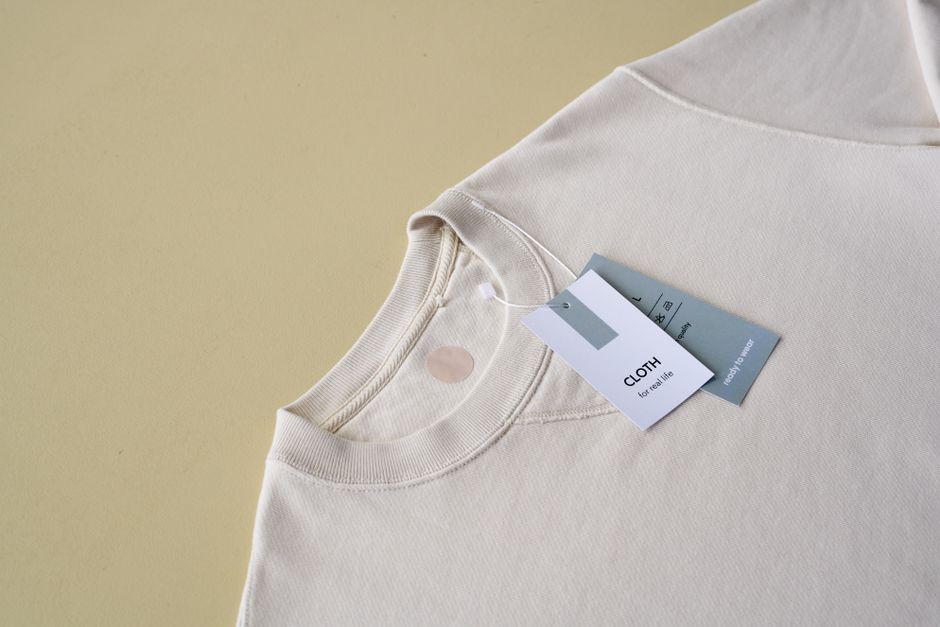
Private label clothing refers to apparel that is manufactured by one company and sold under another company’s brand name. This allows retailers to offer unique products that are not available through other brands. The key advantage of private labeling is the ability to control product quality, design, and pricing, which can lead to higher profit margins.
Moreover, private label clothing gives retailers the opportunity to create a distinct brand image. By offering exclusive designs, retailers can foster a sense of loyalty among customers who seek out unique items that reflect their personal style. This is particularly crucial in the highly competitive fashion market.
For those considering entering the private label clothing business, understanding the market landscape is essential. The global private label apparel market was valued at approximately $157 billion in 2020 and is expected to grow at a compound annual growth rate (CAGR) of 5.3% from 2021 to 2028. This growth highlights the increasing consumer demand for exclusive clothing options.
The Advantages of Private Label Clothing
One of the most compelling advantages of private label clothing is the potential for higher profit margins. Since retailers can set their own prices and reduce dependency on external brands, they can significantly mark up their products. This is particularly beneficial in a market where consumers are willing to pay a premium for exclusive and high-quality items.
Additionally, private label clothing allows for greater flexibility in inventory management. Retailers can adjust their offerings based on consumer preferences and market trends without being tied to a single brand’s seasonal collections. This agility can lead to better sales outcomes and a more responsive business model.
Another significant benefit is brand loyalty. When consumers associate unique designs and quality with a specific retailer, they are more likely to return for future purchases. This not only boosts sales but also creates a community of brand advocates who can help promote the brand organically.
Steps to Launching Your Private Label Clothing Line
Launching a private label clothing line can be a rewarding venture, but it requires careful planning. First, it is crucial to conduct thorough market research to identify your target audience and understand their preferences. This will guide your design and product selection.
Next, selecting a reliable manufacturer is key. Look for manufacturers that specialize in private label clothing and have a solid reputation for quality. Establishing a good relationship with your manufacturer can lead to better pricing, quality control, and flexibility in production.
Once you have your products, focus on building your brand identity. This includes designing an appealing logo, creating a cohesive visual style, and developing a strong online presence. Your marketing strategy should emphasize the unique selling points of your private label clothing, such as exclusivity and quality.
Finally, consider utilizing online platforms to reach a broader audience. E-commerce sites and social media play a vital role in promoting private label clothing. Engaging with customers through these channels can increase brand visibility and drive sales.
Challenges in Private Label Clothing
While the benefits of private label clothing are enticing, several challenges must be navigated. One major challenge is ensuring consistent quality across all products. As a retailer, you need to establish rigorous quality control measures to maintain your brand’s reputation.
Additionally, competition in the private label market is fierce. Many retailers are vying for consumer attention, making it essential to differentiate your brand. This could involve innovative designs, sustainable practices, or unique marketing strategies.
Another challenge is managing inventory effectively. Overestimating demand can lead to excess inventory, while underestimating can result in missed sales opportunities. Implementing robust inventory management systems can help mitigate these risks.
Conclusion: Embracing the Future of Private Label Clothing
Private label clothing offers a remarkable opportunity for retailers to establish their brand in a crowded market. By understanding the advantages, navigating potential challenges, and implementing effective strategies, businesses can capitalize on this growing trend. As consumer preferences continue to evolve, the ability to offer unique and high-quality clothing will set successful retailers apart from the competition. For those ready to take the leap, private label clothing represents not just a business model but a pathway to creating a lasting impact in the fashion industry. To learn more about how to get started, explore resources on private label clothing.