

In the world of logistics and shipping, the term ‘cargo insurance’ is often mentioned, yet many still overlook its significance. Cargo insurance serves as a vital safety net for businesses and individuals who transport goods across various distances. This article delves into the intricacies of cargo insurance, its necessity, and how it can protect against unforeseen events that could lead to significant financial losses.
What is Cargo Insurance?
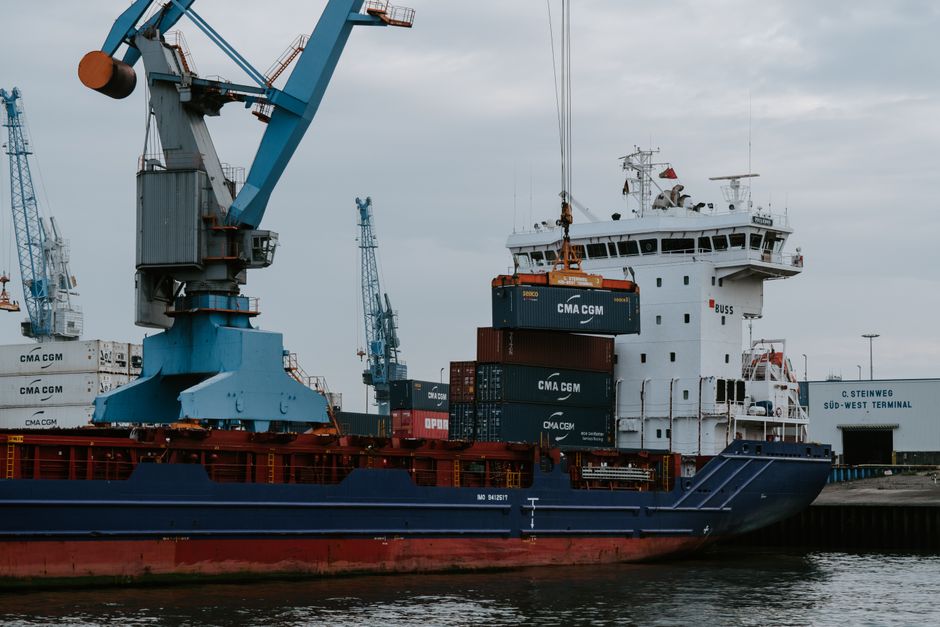
Cargo insurance is a type of coverage that protects the value of goods while they are in transit. This insurance comes into play when goods are lost, damaged, or stolen during shipping. Without coverage, businesses can face devastating losses, especially if they are transporting high-value items. According to industry statistics, approximately 10% of cargo shipped each year suffers some form of damage, highlighting the need for robust insurance solutions.
There are various types of cargo insurance policies available, including All Risk policies that cover a wide range of incidents and Named Perils policies that only cover specific risks. Choosing the right kind of coverage is crucial for ensuring that your goods are adequately protected.
The Benefits of Cargo Insurance
One of the primary benefits of cargo insurance is peace of mind. Knowing that your goods are protected against potential risks allows businesses to operate more confidently. Additionally, cargo insurance can enhance a company’s reputation, as clients are likely to choose suppliers who take the necessary precautions to safeguard their interests.
Moreover, cargo insurance can be a requirement for certain contracts, especially in international shipping. Many freight forwarders and shipping lines require proof of insurance before they will accept a shipment, making it essential for businesses to consider this coverage when planning logistics.
Common Risks Covered by Cargo Insurance
There are several risks that cargo insurance typically covers. These include natural disasters such as storms and floods, accidents during transit, theft, and even damage caused by handling errors. For example, if a shipment of electronics is on its way to a retailer and gets damaged due to mishandling, cargo insurance would cover the cost of the loss.
Additionally, cargo insurance can protect against geopolitical risks, such as piracy and war. In today’s global marketplace, shipping routes may pass through areas with elevated risks, making insurance even more critical.
How to Choose the Right Cargo Insurance Policy
Selecting the appropriate cargo insurance policy involves assessing several factors. First, consider the value and nature of the goods being shipped. High-value items may require more comprehensive coverage compared to lower-value goods. Next, evaluate the shipping route and the associated risks. For instance, shipments passing through areas prone to natural disasters might need additional coverage.
It’s also advisable to consult with insurance professionals who specialize in cargo insurance. They can provide insights into the best options available and help tailor a policy that meets specific business needs. Furthermore, reviewing the terms and conditions of the policy is essential to ensure that there are no unexpected exclusions or limitations.
The Cost of Cargo Insurance
The cost of cargo insurance varies based on multiple factors, including the type of coverage, the value of the goods, and the shipping route. Generally, businesses can expect to pay between 0.5% to 2% of the total value of the goods for insurance premiums. While this may seem like an additional expense, the potential losses from not having coverage can far exceed the cost of premiums.
For instance, a shipment worth $100,000 could incur a loss that results in a financial impact of $50,000 or more if not insured. Therefore, investing in cargo insurance is often a wise decision that can save businesses from significant losses.
Conclusion
In conclusion, cargo insurance is an essential aspect of modern shipping practices. It offers protection against a wide array of risks, providing businesses with peace of mind and financial security. As logistics and shipping continue to evolve, understanding the importance of cargo insurance will become increasingly crucial for those involved in the transportation of goods.