

Cardiopulmonary Resuscitation (CPR) is a critical emergency procedure that can save lives in situations where someone’s heart has stopped beating or they are not breathing. This article delves into the importance of CPR, how to perform it correctly, and the latest guidelines to ensure its effectiveness. Whether you’re a healthcare professional or a layperson, understanding CPR can empower you to act decisively in emergencies.
The Importance of CPR
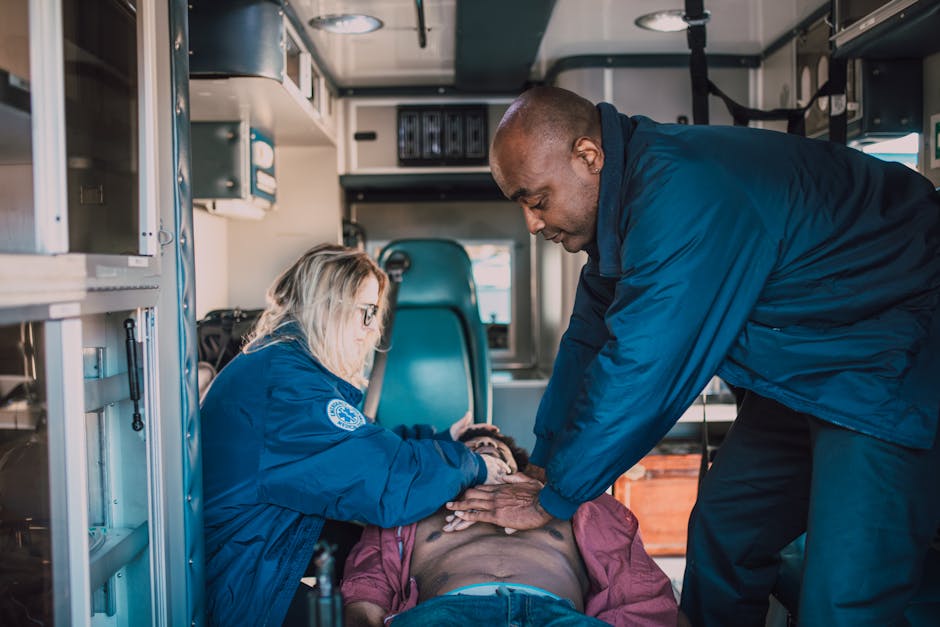
Every year, thousands of people experience cardiac arrests outside of hospitals, and the survival rate is alarmingly low. According to the American Heart Association, immediate CPR can double or even triple a person’s chance of survival. This emphasizes the need for widespread CPR training and awareness.
Moreover, CPR is not just for healthcare providers. Bystanders play a vital role in emergencies; in fact, nearly 70% of cardiac arrests occur in private homes. Thus, equipping ordinary citizens with CPR skills can significantly impact survival rates. Community programs and training sessions have become essential in fostering a culture of preparedness.
How to Perform CPR
CPR consists of two main components: chest compressions and rescue breaths. The American Heart Association recommends a hands-only CPR technique for adults, which focuses solely on chest compressions. This method is effective in maintaining blood flow to vital organs until professional help arrives.
To perform hands-only CPR, follow these steps:
- Call emergency services or ask someone to do so.
- Place the heel of one hand on the center of the person’s chest, interlock your fingers with your other hand, and keep your elbows straight.
- Push hard and fast in the center of the chest, at a rate of 100-120 compressions per minute.
For infants and children, CPR includes both compressions and rescue breaths. It is crucial to learn the specific techniques for different age groups, as the approach can vary significantly.
CPR Training and Certification
Participating in a CPR course can significantly enhance your ability to respond effectively in emergencies. Many organizations offer training sessions that cater to various skill levels. These courses often provide hands-on practice with mannequins and real-life scenarios, which are essential for building confidence.
A notable option for those in Sweden is the HLR kurs Stockholm, which offers comprehensive training in CPR and first aid. Such courses not only teach the mechanics of CPR but also instill the importance of remaining calm and composed during emergencies.
Understanding the Latest Guidelines
The guidelines for CPR evolve as new research and data become available. The most recent updates emphasize the significance of high-quality compressions and minimizing interruptions during CPR. Studies have shown that even slight delays can reduce the effectiveness of resuscitation efforts.
Additionally, the use of automated external defibrillators (AEDs) has become more prevalent. These devices can significantly increase the chances of survival by restoring normal heart rhythm during cardiac arrest. Knowing how to use an AED is an essential part of modern CPR training.
Conclusion
CPR is a lifesaving skill that everyone should learn. With the right training and knowledge, you can make a difference in someone’s life during a critical moment. Whether through community programs or online resources, taking the initiative to learn CPR can empower you to act when it matters most. Remember, your actions can save lives—let’s work towards a society where everyone is trained and prepared to respond to emergencies.