

In an increasingly digital world, securing sensitive information and physical spaces has become paramount. Access control systems serve as the backbone of security protocols, ensuring that only authorized individuals can enter specific areas or access particular data. This guide delves into the various aspects of access control systems, their types, benefits, and implementation strategies.
What is an Access Control System?
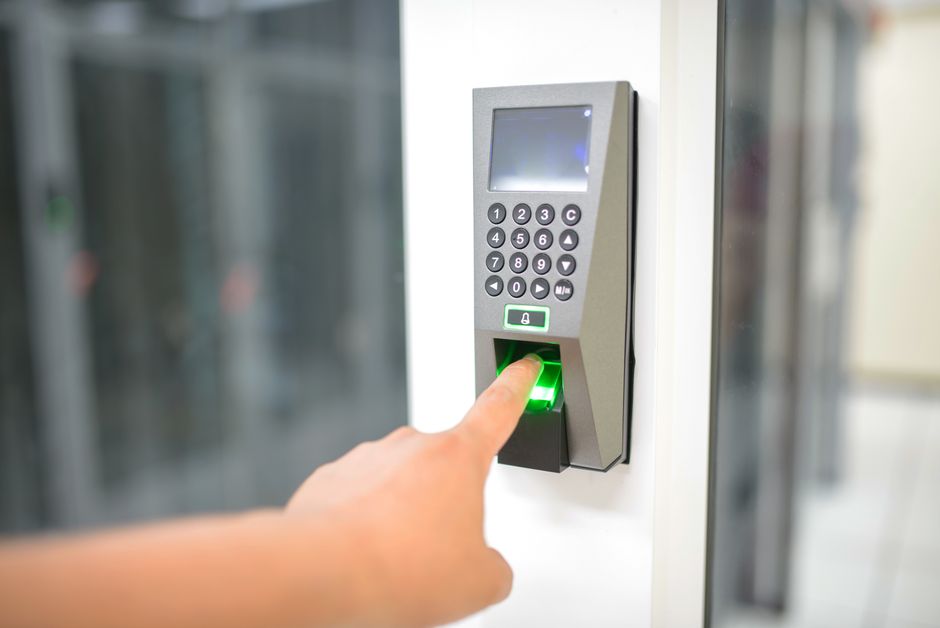
An access control system is a framework that dictates who is allowed to access and use resources in a computing environment. This can include both physical locations, such as office buildings, and digital environments, such as databases and networks. The primary goal of these systems is to enhance security by preventing unauthorized access, thus protecting sensitive information and physical assets.
Access control can be categorized into three primary models: discretionary access control (DAC), mandatory access control (MAC), and role-based access control (RBAC). Each model has its unique characteristics and applications, catering to various organizational needs and security requirements.
Types of Access Control Systems
Access control systems can be broadly divided into two categories: physical access control systems and logical access control systems. Physical access control involves mechanisms like keycards, biometric scanners, and locks that restrict entry to physical spaces. Conversely, logical access control pertains to digital environments, utilizing usernames, passwords, and encryption to safeguard access to computer systems and data.
Biometric systems, such as fingerprint or facial recognition technology, are gaining traction in both physical and logical access controls due to their high level of security and user convenience. According to a report by Markets and Markets, the biometric access control market is projected to grow from $3.5 billion in 2020 to $8.5 billion by 2025, illustrating the increasing reliance on these advanced technologies.
Benefits of Implementing Access Control Systems
The implementation of access control systems offers a multitude of benefits. Firstly, they enhance security by significantly reducing the risk of unauthorized access. With robust authentication methods, organizations can protect sensitive data and deter potential breaches.
Secondly, access control systems streamline operations. By automating entry and access processes, businesses can reduce the time and resources spent on manual security measures. Furthermore, many systems offer real-time monitoring and reporting capabilities, allowing organizations to track access patterns and respond promptly to potential security incidents.
Another significant advantage is compliance with regulations. Many industries are governed by strict data protection laws, such as GDPR or HIPAA. Implementing a reliable access control system helps organizations meet these regulatory requirements, thereby avoiding potential fines and legal repercussions.
Challenges in Access Control Implementation
Despite the numerous advantages, implementing access control systems is not without its challenges. One of the primary concerns is the initial cost. Depending on the complexity of the system, organizations may need to invest significantly in technology and training.
Moreover, user acceptance can pose a challenge. Employees accustomed to traditional access methods may resist adopting new systems, especially if they perceive them as cumbersome or intrusive. Comprehensive training and clear communication about the benefits of the new system are crucial to overcoming this resistance.
Additionally, organizations must continuously update and maintain their access control systems to address evolving security threats. This includes regular software updates, hardware maintenance, and periodic reviews of access permissions.
Future Trends in Access Control Systems
The future of access control systems is poised for innovation, with advancements in technology driving new trends. One notable trend is the integration of artificial intelligence (AI) and machine learning into access control systems. These technologies can analyze patterns in access data and identify anomalies, enhancing overall security.
Furthermore, the rise of the Internet of Things (IoT) is influencing access control systems. Smart locks and connected devices are becoming increasingly popular, enabling remote access control and monitoring through mobile applications. Such innovations not only improve security but also enhance user convenience.
Lastly, there is a growing emphasis on privacy and ethical considerations in access control systems. Organizations must balance security needs with individuals’ rights to privacy, ensuring that systems are designed with user consent and data protection in mind.
For a deeper understanding of how these systems function, exploring an access control system can provide valuable insights into their design and operational principles.
Conclusion
Access control systems are essential components of modern security strategies, protecting both physical and digital assets. By understanding their types, benefits, and potential challenges, organizations can make informed decisions about implementing these systems. As technology continues to evolve, staying abreast of trends will be crucial for maintaining robust security in an ever-changing landscape.