

In the world of automotive customization, car wrapping has emerged as a popular choice for vehicle owners looking to enhance their cars’ aesthetics without a permanent commitment. Whether you’re aiming for a brand new look or seeking to advertise your business, car wrap services offer a versatile and cost-effective solution. This article delves into the benefits, processes, and considerations of car wrapping, providing valuable insights for anyone interested in this innovative service.
Understanding Car Wraps
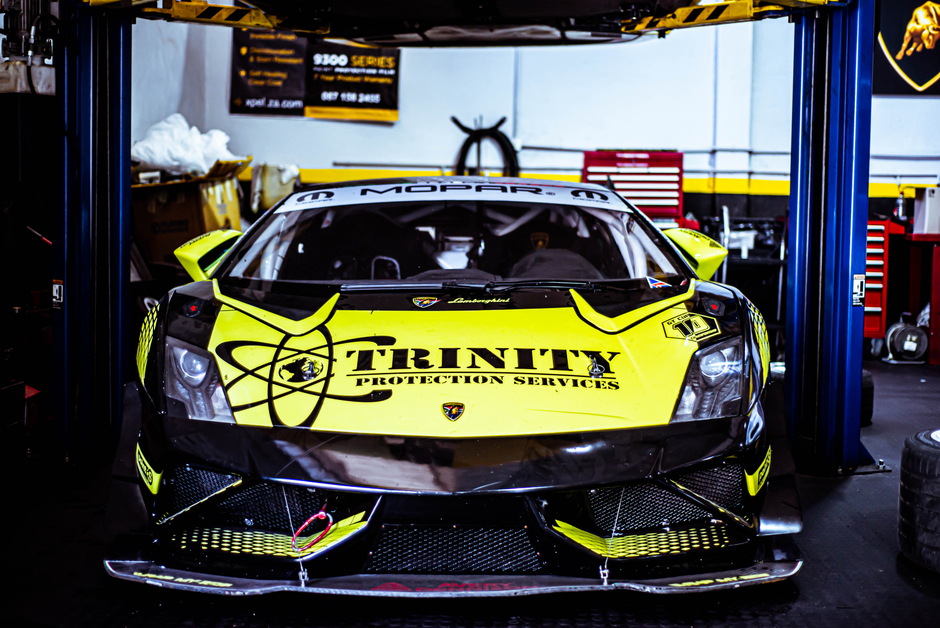
Car wraps are large vinyl decals that cover the exterior of a vehicle. They can be applied to the entire car or just specific parts, allowing for a range of customization options. Unlike traditional paint jobs, car wraps can be easily removed or replaced, making them an attractive option for those who enjoy changing their vehicle’s appearance frequently. The technology behind these wraps has advanced significantly, ensuring durability and vibrant colors that can last for several years.
One of the most appealing aspects of car wraps is the vast array of design possibilities. From matte finishes to glossy looks, and even textures that mimic carbon fiber or brushed metal, the options are virtually limitless. This allows vehicle owners to express their individuality or promote their business with unique branding.
The Benefits of Car Wrapping
Choosing a car wrap service offers numerous advantages. Firstly, it serves as a protective layer for the vehicle’s original paint, shielding it from UV rays, scratches, and other environmental factors. This can help maintain the car’s resale value over time. Additionally, wraps can be a more affordable alternative to a full paint job, especially when considering the costs associated with preparation and labor.
Furthermore, businesses can utilize car wrapping as a mobile advertising tool. A well-designed wrap can attract attention on the road, making it an effective marketing strategy. According to studies, vehicle wraps can generate thousands of impressions per day, significantly increasing brand visibility.
The Car Wrapping Process
The process of wrapping a car typically begins with a thorough cleaning and inspection of the vehicle’s surface. Any imperfections must be addressed to ensure a smooth application. Afterward, the design is printed onto high-quality vinyl, which is then carefully applied to the car using specialized techniques to avoid bubbles and wrinkles.
Professional installers use tools such as heat guns and squeegees to ensure a precise fit. The entire process can take anywhere from a few hours to a couple of days, depending on the complexity of the design and the size of the vehicle. After the installation, it’s crucial to care for the wrap properly to extend its lifespan, which includes regular cleaning and avoiding harsh chemicals.
Important Considerations
While car wraps offer numerous benefits, there are a few considerations to keep in mind. Not all wraps are created equal; quality can vary significantly between different brands. It’s essential to choose a reputable car wrap service that uses high-quality materials to ensure longevity and durability.
Additionally, the local climate can affect the lifespan of a car wrap. Extreme temperatures and prolonged exposure to sunlight can lead to fading and peeling. Therefore, selecting the right type of vinyl for your environment is crucial. Consulting with professionals can help you make informed decisions about the best options for your specific needs.
Conclusion
In conclusion, car wrapping is a creative and practical solution for those looking to personalize their vehicles or promote their businesses. With its ability to provide a temporary yet impactful transformation, car wrap services have become an essential part of the automotive customization landscape. As you consider this option, it’s worth exploring the various designs and materials available to find the perfect fit for your vehicle. For those interested in exploring professional options, you can check out car wrap service providers in your area.