

Stainless steel is a remarkable material that has revolutionized various industries and everyday life. Known for its durability, resistance to corrosion, and aesthetic appeal, this alloy has found its way into countless applications. From kitchen utensils to architectural masterpieces, stainless steel plays a crucial role in modern design and functionality. In this article, we will explore the properties, applications, and advantages of stainless steel, shedding light on why it remains a preferred choice for manufacturers and consumers alike.
Understanding Stainless Steel
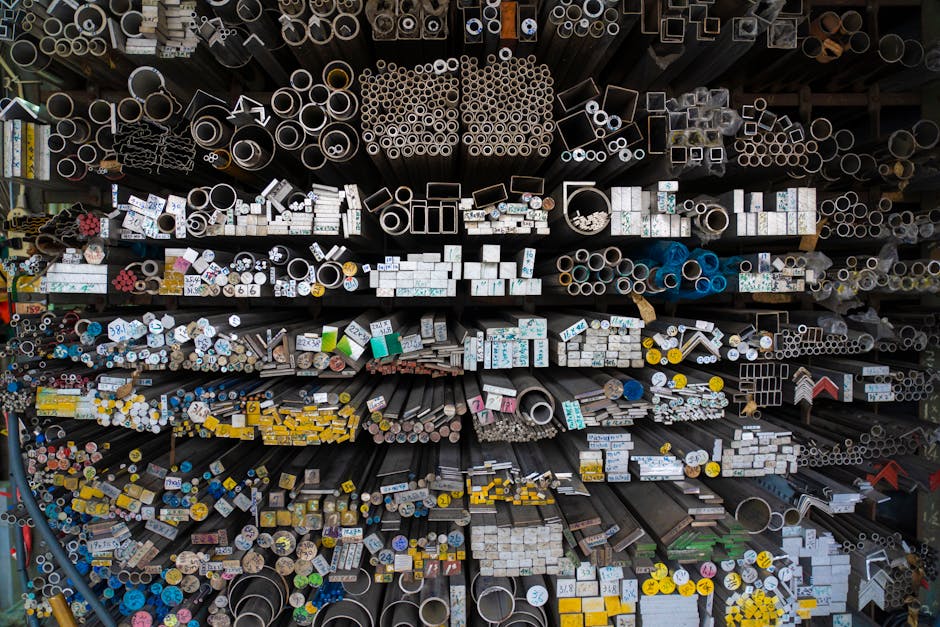
Stainless steel is primarily composed of iron, chromium, and often nickel, which contribute to its unique properties. The chromium content, typically at least 10.5%, provides a protective layer that prevents rust and corrosion. This characteristic makes stainless steel particularly valuable in environments where moisture and chemicals are present.
There are several grades of stainless steel, each with distinct properties and applications. For example, 304 stainless steel is known for its excellent corrosion resistance and is commonly used in kitchen appliances and food processing equipment. Meanwhile, 316 stainless steel, which contains molybdenum, offers even greater resistance to saltwater, making it ideal for marine applications.
The versatility of stainless steel allows it to be used in a variety of forms, including sheets, plates, bars, and tubes. This adaptability has made it a go-to material for architects and engineers looking to combine functionality with aesthetics.
Applications in Everyday Life
The applications of stainless steel are virtually limitless. In the culinary world, stainless steel cookware and utensils are favored for their non-reactive properties, ensuring food safety. Stainless steel sinks and countertops are not only durable but also easy to clean, making them popular choices in modern kitchens.
In the construction industry, stainless steel is used in structural components and architectural features. For example, the iconic Burj Khalifa in Dubai showcases stainless steel in its cladding, providing both beauty and resilience against the elements. Additionally, stainless steel railings and fixtures are commonly found in public spaces, offering safety and style.
Furthermore, stainless steel is widely used in the medical field. Surgical instruments made from stainless steel are essential due to their sterilization capabilities and resistance to corrosion. This material is also employed in medical devices and equipment, ensuring reliability and hygiene.
Environmental Benefits of Stainless Steel
As sustainability becomes increasingly important, stainless steel stands out as an environmentally friendly material. It is 100% recyclable, meaning that it can be repurposed without losing its inherent properties. This aspect not only reduces waste but also minimizes the need for raw materials.
Moreover, the longevity of stainless steel products contributes to its sustainability. Items made from stainless steel often last longer than those made from other materials, reducing the frequency of replacement and the associated environmental impact of manufacturing new products.
The energy consumption involved in producing stainless steel is also comparatively lower than that of other materials, making it a more sustainable choice in the long run.
Cost Considerations and Investment Value
While stainless steel products may have a higher initial cost than those made from other materials, the long-term savings and value they offer are significant. The durability and low maintenance requirements of stainless steel mean that consumers often spend less over time on repairs and replacements.
In the commercial sector, businesses that invest in stainless steel fixtures and equipment benefit from reduced operational costs due to the material’s resistance to wear and tear. For instance, a restaurant that uses stainless steel kitchen equipment can expect fewer breakdowns and lower maintenance costs, ultimately leading to increased profitability.
For homeowners considering renovations, incorporating stainless steel elements can enhance property value. Modern buyers often appreciate the aesthetic appeal and durability of stainless steel, making it a wise investment.
Choosing the Right Stainless Steel for Your Needs
When selecting stainless steel for a specific application, it’s essential to consider factors such as corrosion resistance, strength, and the environment in which it will be used. Consulting with experts in the field, such as a Furniture Company In Saudi Arabia, can help ensure that the right grade and type of stainless steel are chosen for your project.
Additionally, understanding the manufacturing processes and finishes available can also influence the performance and appearance of stainless steel products. From brushed to polished finishes, the choice can impact not only aesthetics but also maintenance needs.
In conclusion, stainless steel’s unique properties and versatility make it an invaluable material across various industries. Its applications in everyday life, environmental benefits, cost considerations, and the importance of choosing the right type all contribute to its enduring popularity. As we continue to innovate and seek sustainable solutions, stainless steel will undoubtedly remain at the forefront of material science.
Conclusion
In summary, stainless steel is more than just a durable material; it is a cornerstone of modern design and engineering. Its resistance to corrosion, sustainability, and aesthetic appeal make it a preferred choice for countless applications. Whether in the kitchen, construction, or medical fields, stainless steel’s impact is profound and ever-growing. By understanding its properties and applications, we can make informed choices that benefit both our lifestyles and the environment.