

Summer is a time of adventure, exploration, and learning for children, especially for elementary school students. Among the various ways to engage kids during their school break, summer camps stand out as a popular choice. These camps not only provide fun activities but also foster social skills, creativity, and independence. In this article, we will delve into the world of summer camps tailored for young children, exploring their benefits, types, and tips for choosing the right one.
Benefits of Summer Camps for Kids
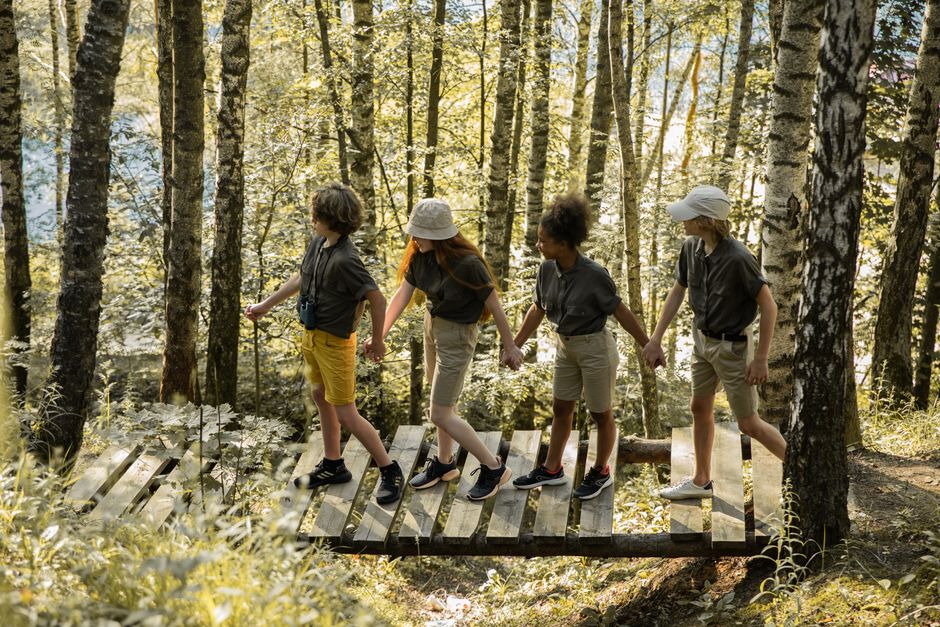
Summer camps offer numerous advantages for elementary school students. Firstly, they provide a structured environment where children can learn new skills while having fun. For instance, camps often include activities such as swimming, arts and crafts, sports, and nature exploration, which can enhance physical fitness and creativity.
Moreover, attending summer camp helps children develop social skills. Being in a group setting encourages teamwork, communication, and conflict resolution—skills that are essential for their future. According to a survey by the American Camp Association, 70% of parents noted improvements in their children’s social interactions after attending camp.
Additionally, summer camps can boost a child’s confidence. As they try new activities and achieve personal goals, such as completing a challenging obstacle course or making a new friend, their self-esteem can significantly increase. This is particularly beneficial for children who may feel shy or anxious in new situations.
Types of Summer Camps
There is a wide variety of summer camps available to cater to different interests and needs. Traditional day camps provide a mix of activities, including sports, arts and crafts, and group games. These camps typically run during the day, allowing children to return home in the evening.
Specialized camps focus on specific interests, such as science, technology, or the arts. For example, a coding camp might teach elementary students the basics of programming through engaging projects. These camps can ignite a passion for a particular subject and encourage children to explore it further.
Another popular option is overnight camps, where children stay for several days or weeks. These camps offer a unique experience of independence and adventure, as children learn to take care of themselves while engaging in outdoor activities like hiking, canoeing, and campfire storytelling. This setting can be particularly appealing for parents who want their children to experience nature and develop resilience.
How to Choose the Right Summer Camp
Choosing the right summer camp for your child can be a daunting task, given the plethora of options available. To make the best decision, start by considering your child’s interests and personality. Does your child thrive in social situations, or do they prefer quieter, more focused activities? Understanding their preferences will help narrow down the choices.
Next, research the camp’s reputation. Look for reviews from other parents and check the camp’s accreditation. A reputable camp will have trained staff, safety protocols, and a clear communication process with parents.
Additionally, consider logistics such as location, cost, and schedule. Some camps may offer transportation services, which can be a significant convenience. Make sure to discuss the options with your child and involve them in the decision-making process, as this can increase their excitement and willingness to attend.
Safety and Health Considerations
Safety is a top priority for parents when selecting a summer camp. Ensure that the camp adheres to health guidelines and has appropriate measures in place for emergencies. Inquire about staff-to-child ratios and the qualifications of the camp leaders.
Health considerations, especially in the wake of recent global events, are also essential. Camps should have protocols for illness prevention, including hygiene practices and response plans for any potential outbreaks.
It’s also advisable to check if the camp accommodates children with special needs or dietary restrictions. A good camp will be inclusive and able to provide necessary support to ensure every child has a positive experience.
Conclusion
Summer camps can be a transformative experience for elementary school students, providing them with opportunities to learn, grow, and make lasting memories. By selecting the right camp that aligns with your child’s interests and needs, you can ensure a summer filled with adventure and discovery. Whether it’s exploring nature, developing new skills, or making new friends, the benefits of summer camp are invaluable. For those interested in specific programs, check out サマーキャンプ 小学生 for exciting options tailored for elementary school students.