

In recent years, the luxury goods market has undergone a significant transformation, with the emergence of luxury brand resellers becoming a prominent trend. These resellers play a crucial role in the fashion ecosystem, providing consumers with access to high-end products that may otherwise be out of reach. With a growing interest in sustainable fashion and a desire for unique items, the resale market for luxury brands is thriving. This article explores the dynamics of the luxury brand resale market, the benefits it offers to consumers, and the challenges faced by resellers.
Understanding the Luxury Resale Market
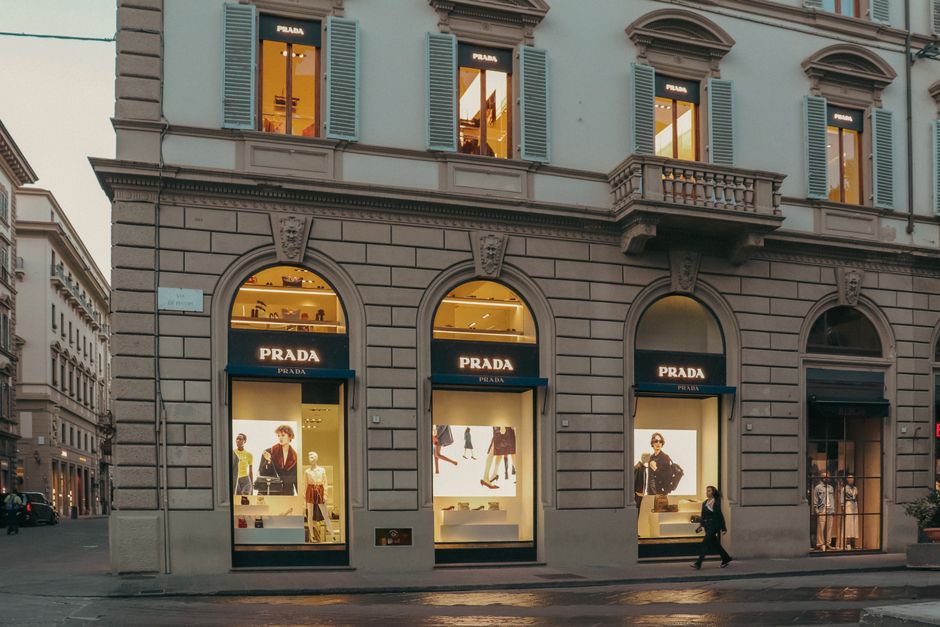
The luxury resale market is defined by the buying and selling of pre-owned luxury items. This market has seen exponential growth, with estimates suggesting it could reach $64 billion by 2024. The rise of e-commerce has facilitated this growth, allowing consumers to buy and sell luxury goods online with ease. Resellers often curate a selection of high-quality items, ensuring authenticity and condition, which builds trust with their clientele.
Platforms such as The RealReal and Vestiaire Collective have become household names, offering a wide range of luxury products from handbags to shoes. These platforms not only provide an avenue for consumers to purchase luxury items at a fraction of the original price but also allow individuals to declutter their closets by selling items they no longer use.
The Appeal of Luxury Resale
Several factors contribute to the growing appeal of luxury resellers. First and foremost, there is the aspect of affordability. Consumers are increasingly aware of the value of pre-owned goods, and many are willing to invest in second-hand luxury items that retain their quality but come at a lower price. For example, a designer handbag that originally retailed for $2,000 might be available for $1,200 or less on a resale site.
Additionally, the sustainability movement has further propelled the luxury resale market. Consumers are becoming more environmentally conscious, opting for second-hand items as a way to reduce waste and promote circular fashion. Luxury brand resellers often emphasize the eco-friendly aspects of their business, attracting a demographic that prioritizes sustainability in their purchasing decisions.
Challenges Faced by Luxury Brand Resellers
While the luxury resale market presents numerous opportunities, it is not without its challenges. One significant hurdle is the issue of authenticity. With counterfeit goods becoming increasingly sophisticated, luxury brand resellers must invest in rigorous authentication processes to ensure the items they sell are genuine. This often involves working with experts and using technology to verify the authenticity of products.
Moreover, competition in the luxury resale space is fierce. As more individuals and businesses enter the market, resellers must find ways to differentiate themselves. This could mean offering exceptional customer service, creating a unique shopping experience, or specializing in particular brands or types of products. For instance, some resellers focus exclusively on vintage items or specific luxury labels, carving out a niche in the crowded marketplace.
The Future of Luxury Brand Reselling
The future of luxury brand reselling looks promising, with trends indicating continued growth. As the acceptance of second-hand shopping becomes more mainstream, luxury resellers are likely to thrive. Many luxury brands are even starting to embrace this trend, partnering with resale platforms to create official channels for selling pre-owned goods. This shift not only helps brands maintain their value but also aligns with the growing demand for sustainable practices.
As technology continues to evolve, luxury brand resellers are likely to benefit from innovations such as augmented reality and AI, enhancing the online shopping experience. For example, virtual try-ons and personalized recommendations could become standard features on resale platforms, making it easier for consumers to find exactly what they are looking for.
Conclusion
The luxury brand resale market is reshaping the way consumers engage with high-end fashion. By offering affordability, sustainability, and a unique shopping experience, luxury brand resellers are carving out a significant niche in the retail landscape. While challenges such as authenticity and competition remain, the future of this market looks bright. As more consumers seek out sustainable and affordable luxury, the role of the luxury brand reseller will only continue to grow. To explore the world of luxury reselling, many individuals are turning to platforms that specialize in this area, such as a luxury brand reseller.