

In recent years, the fashion industry has witnessed a significant shift towards customization, with consumers seeking unique and personalized clothing options. As a result, the role of custom clothing manufacturers has become increasingly vital in catering to this demand. These manufacturers not only help brands create distinctive products but also streamline the production process, making it more efficient and responsive to market trends.
Understanding the Custom Clothing Manufacturing Process
The custom clothing manufacturing process typically begins with a clear understanding of the client’s vision and requirements. This includes the type of garments to be produced, the target demographic, and specific design elements. Manufacturers often employ advanced technology, such as 3D modeling and design software, to visualize and refine the designs before moving into production. This initial phase is crucial as it sets the foundation for the entire project.
Once the designs are finalized, manufacturers source high-quality fabrics and materials that align with the client’s specifications. The choice of fabrics can greatly influence the final product’s quality, feel, and durability. Manufacturers often establish relationships with various suppliers to ensure they have access to a diverse range of materials, enabling them to offer more options to their clients.
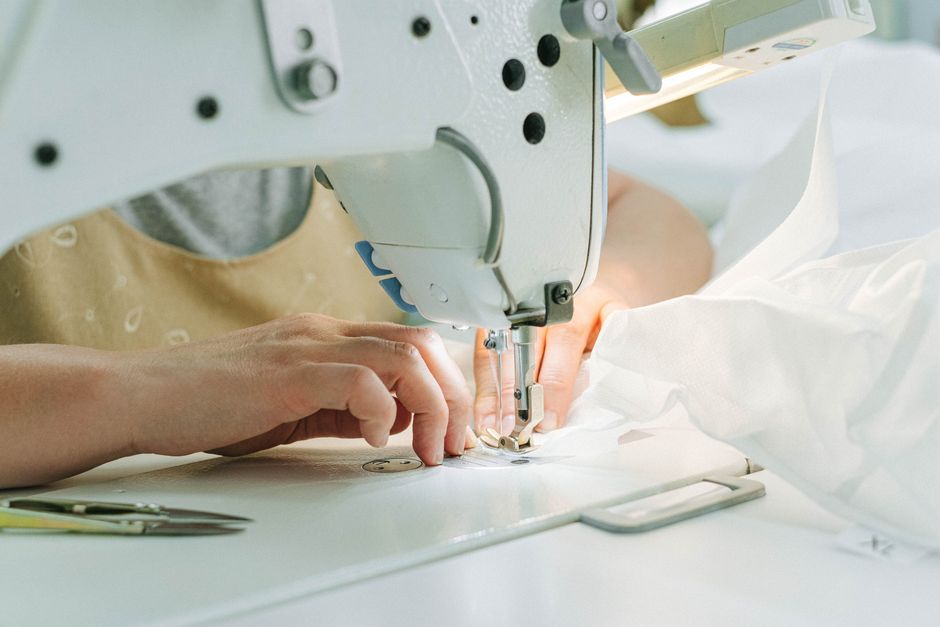
After sourcing materials, the production phase begins. This includes cutting, sewing, and finishing the garments. Many custom clothing manufacturers utilize a combination of skilled labor and automated machinery to enhance efficiency and maintain high-quality standards. The use of technology not only speeds up the production process but also allows for greater precision in garment construction.
The Benefits of Working with Custom Clothing Manufacturers
One of the primary benefits of partnering with a custom clothing manufacturer is the ability to create unique products that stand out in the crowded fashion market. In an age where consumers value individuality, having the option to design customized clothing can significantly enhance a brand’s appeal. This is particularly important for small businesses looking to establish themselves and differentiate from competitors.
Moreover, custom clothing manufacturers often offer flexible production runs, accommodating small batches or even individual pieces. This flexibility allows brands to test new designs and gauge consumer interest without committing to large inventories. As a result, businesses can minimize waste and reduce financial risks associated with unsold stock.
Additionally, many custom clothing manufacturers are now adopting sustainable practices, which resonate with environmentally-conscious consumers. By producing on-demand and using eco-friendly materials, these manufacturers contribute to a more sustainable fashion ecosystem. Brands that prioritize sustainability can leverage this aspect to attract a loyal customer base.
Challenges Faced by Custom Clothing Manufacturers
Despite the advantages, custom clothing manufacturers also face several challenges. One significant hurdle is the need for effective communication between manufacturers and clients. Misunderstandings regarding design specifications or material choices can lead to costly mistakes and delays in production.
Furthermore, the rapid pace of fashion trends can put pressure on manufacturers to deliver products quickly. Clients often expect short turnaround times, which can strain production capacities. Manufacturers must strike a balance between speed and quality, ensuring that the final products meet client expectations without compromising on craftsmanship.
Another challenge is the increasing competition within the custom clothing manufacturing sector. As more brands recognize the benefits of customization, the market has become saturated with options. Manufacturers must continuously innovate and improve their services to remain competitive and attract new clients.
Future Trends in Custom Clothing Manufacturing
The future of custom clothing manufacturing looks promising, with several emerging trends shaping the industry. One notable trend is the integration of artificial intelligence (AI) and machine learning in the design and production processes. These technologies can analyze consumer preferences and predict fashion trends, allowing manufacturers to create garments that align with market demands.
Additionally, the rise of direct-to-consumer (DTC) brands has shifted the dynamics of the fashion industry. Many DTC brands are now relying on custom clothing manufacturers to produce their collections, enabling them to offer personalized and unique products directly to consumers. This trend is likely to continue as more brands seek to establish a direct connection with their customers.
Finally, as sustainability remains a critical concern for consumers, custom clothing manufacturers will need to adapt by implementing more eco-friendly practices. This may include sourcing sustainable materials, reducing waste through efficient production techniques, and adopting circular fashion principles.
Conclusion
In conclusion, the role of custom clothing manufacturers is becoming increasingly important in the ever-evolving fashion landscape. As consumers continue to seek personalized and unique clothing options, manufacturers are stepping up to meet these demands with innovative solutions and sustainable practices. By understanding the benefits and challenges associated with custom clothing manufacturing, brands can better navigate this dynamic industry and leverage the expertise of manufacturers to create standout collections. To find a reliable custom clothing manufacturer, brands should consider their specific needs and the manufacturer’s capabilities, ensuring a successful partnership that enhances their brand’s identity and market presence.