

The electric vehicle (EV) market is experiencing unprecedented growth, fueled by a global shift towards sustainable transportation. Central to this revolution is the development and supply of high-performance batteries, which are essential for the efficiency and range of EVs. As the demand for electric vehicles surges, understanding the role of battery suppliers becomes crucial for manufacturers and consumers alike.
Understanding EV Battery Technology
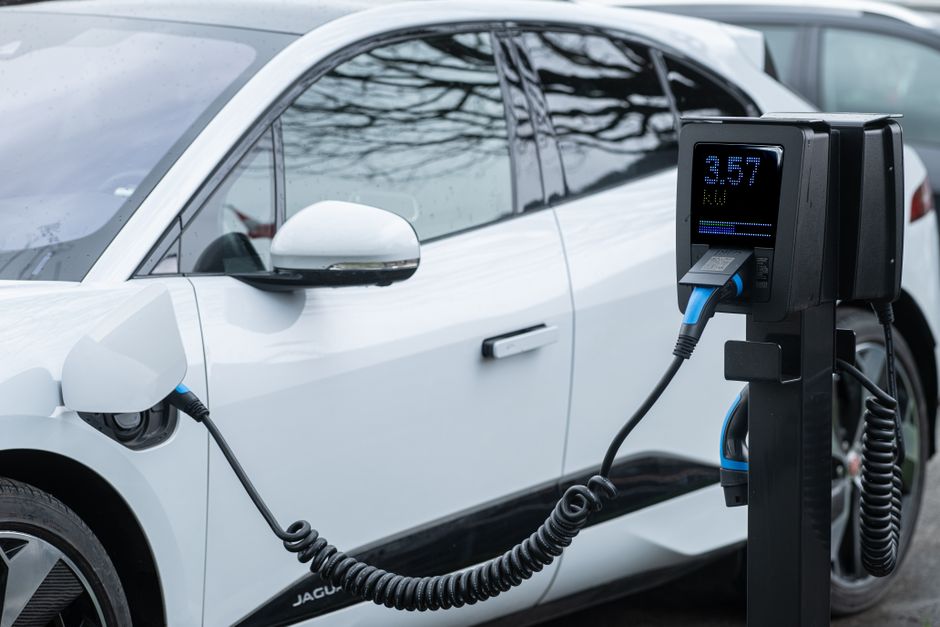
Electric vehicle batteries are primarily lithium-ion batteries, known for their high energy density and longevity. These batteries consist of various components, including the anode, cathode, electrolyte, and separator. The chemistry and design of these elements greatly influence the battery’s performance, safety, and cost. For example, advances in battery technology, such as solid-state batteries, promise to enhance energy density while reducing the risk of fires.
In recent years, the focus has shifted towards improving battery recycling processes and sustainability. As the number of EVs on the road increases, so does the need for responsible disposal and recycling of batteries. Companies are investing in technologies that can reclaim valuable materials from used batteries, thereby reducing environmental impact and reliance on raw material extraction.
Key Players in the EV Battery Supply Chain
Numerous companies are vying for leadership in the EV battery market, each bringing unique strengths to the table. Major players include Panasonic, LG Chem, and CATL, each of which has established significant partnerships with leading automakers. For instance, Tesla’s partnership with Panasonic has led to the production of high-capacity batteries at their Gigafactory in Nevada.
Furthermore, newer entrants like Northvolt and SK Innovation are making waves by focusing on sustainable production methods. Northvolt, for instance, aims to create the world’s greenest battery by using renewable energy sources in its manufacturing process, highlighting the industry’s shift towards sustainability.
Market Trends and Future Outlook
The global market for EV batteries is projected to reach $100 billion by 2025, driven by increasing EV adoption and government incentives. Countries like China, the United States, and several European nations are implementing policies to encourage electric vehicle usage, which in turn boosts battery demand.
Additionally, advancements in battery technology, such as faster charging capabilities and longer lifespans, are expected to attract more consumers. For example, the development of ultra-fast charging stations is set to revolutionize the EV experience, potentially allowing drivers to charge their vehicles in minutes rather than hours.
Challenges in the EV Battery Supply Chain
Despite the promising outlook, the EV battery supply chain faces several challenges. One of the most pressing issues is the availability of raw materials, particularly lithium, cobalt, and nickel. As demand rises, so does the competition for these resources, leading to price volatility.
Moreover, geopolitical factors can affect supply chains significantly. For instance, much of the world’s cobalt supply comes from the Democratic Republic of Congo, a region facing political instability. Manufacturers are now exploring alternative materials and recycling methods to mitigate these risks.
Conclusion: The Role of Suppliers in Shaping the EV Landscape
As the electric vehicle market continues to expand, the importance of reliable and innovative battery suppliers cannot be overstated. These suppliers play a pivotal role in ensuring that manufacturers have access to the technology needed to produce efficient, safe, and sustainable vehicles. Understanding the landscape of EV battery supplier options will be crucial for stakeholders aiming to navigate this dynamic and rapidly evolving industry.