

In the ever-evolving construction industry, the importance of scaffolding cannot be overstated. Scaffolding provides the necessary support for workers and materials, ensuring safety and efficiency at construction sites. However, the decision between buying and renting scaffolding can have significant implications for project budgets and timelines. This article will delve into the various aspects of scaffolding rental, providing insights into its benefits, types, and key considerations for contractors.
Understanding Scaffolding Rental
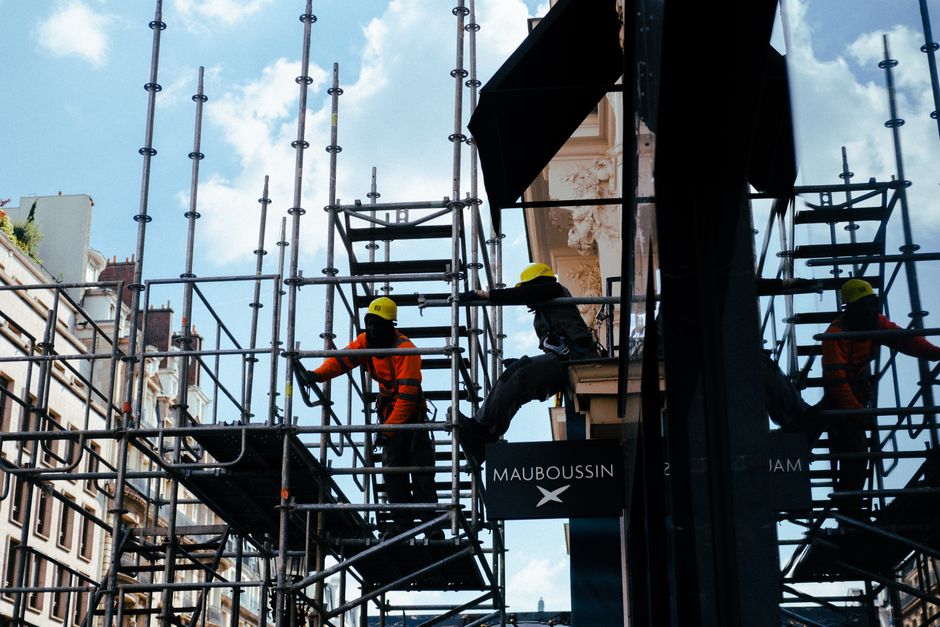
Scaffolding rental refers to the process of leasing scaffolding systems from specialized companies rather than purchasing them outright. This approach allows contractors to access high-quality scaffolding without the hefty initial investment. According to industry statistics, around 60% of construction companies prefer to rent scaffolding due to its financial flexibility and reduced maintenance responsibilities.
By opting for scaffolding rental, companies can allocate resources more efficiently, focusing funds on other critical areas of construction. Moreover, rental agreements often include delivery and setup services, further streamlining the project process.
Benefits of Renting Scaffolding
One of the primary advantages of renting scaffolding is the significant cost savings. Purchasing scaffolding can require a substantial upfront investment, which can be a financial strain, especially for smaller contractors. Renting allows businesses to pay only for the period they need the scaffolding, minimizing unnecessary expenses.
Additionally, renting scaffolding provides access to the latest designs and technologies. Rental companies frequently update their inventory to include the most advanced and safest scaffolding solutions on the market. This ensures that contractors are not only compliant with safety regulations but also benefit from improved construction efficiency.
Types of Scaffolding Available for Rent
There are several types of scaffolding available for rent, each suited for specific project requirements. Frame scaffolding is one of the most commonly used types, ideal for straightforward construction tasks. Meanwhile, system scaffolding offers versatility and quick assembly, making it suitable for complex structures.
For projects requiring a more robust solution, heavy-duty scaffolding can support substantial loads, making it perfect for larger commercial endeavors. Additionally, specialized scaffolding, such as suspended or rolling scaffolds, can be rented for unique tasks like painting or maintenance on high-rise buildings.
Key Considerations When Renting Scaffolding
When considering scaffolding rental, it is essential to evaluate the specific needs of the project. Factors such as the height of the structure, the load requirements, and the duration of the project play a crucial role in determining the type of scaffolding required.
Moreover, it is critical to select a reputable scaffolding rental company. Look for companies with positive reviews, proper certifications, and a solid safety track record. Ensuring that the equipment is well-maintained and meets safety regulations is paramount to protect workers and the project.
Conclusion
In conclusion, scaffolding rental presents a viable solution for many construction projects, offering financial flexibility, access to modern equipment, and a range of options to suit various needs. By understanding the benefits and considerations involved, contractors can make informed decisions that enhance project efficiency and safety. Embracing scaffolding rental can ultimately lead to a more successful construction experience, allowing businesses to thrive in a competitive market.