

Perfume is not just a scent; it is an expression of individuality, a statement of personality, and a whisper of emotion. The world of fragrance is as rich and layered as the scents themselves, combining art and science in a captivating dance. From the ancient civilizations that first embraced aromatic oils to the modern perfumers crafting complex compositions today, the journey of perfume is a fascinating exploration of culture, history, and innovation.
The Historical Significance of Perfume
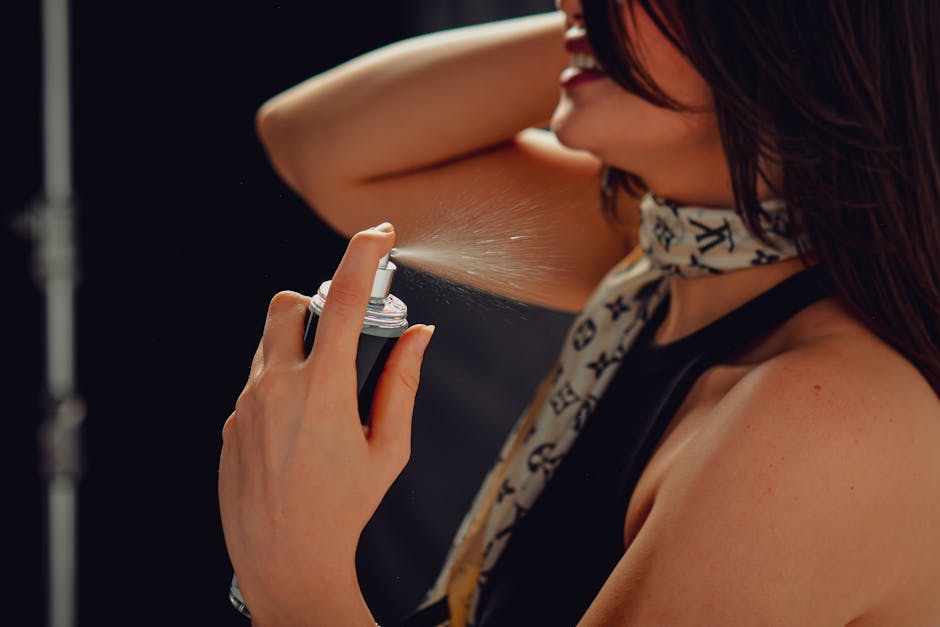
Perfume has a storied past that dates back thousands of years. Ancient Egyptians used scents in religious ceremonies, while the Mesopotamians documented the use of fragrant oils as early as 4000 BC. In fact, the word ‘perfume’ comes from the Latin ‘per fumum’, meaning ‘through smoke’, which highlights the ritualistic aspect of fragrance in ancient cultures.
Throughout history, different cultures have utilized scents for various purposes. The Greeks and Romans celebrated fragrance in their daily lives, often using it in baths and public spaces. The introduction of distillation in the Middle Ages allowed for the extraction of essential oils, leading to the development of modern perfumery.
Today, the luxury perfume market is booming, with a global market size projected to reach over $40 billion by 2026. This resurgence in interest can be attributed to a growing appreciation for artisanal and niche fragrances, which often tell unique stories and evoke specific emotions.
The Anatomy of a Fragrance
Understanding perfume requires a grasp of its fundamental composition. A typical fragrance is built around three key components: top notes, middle notes, and base notes. Top notes are the initial scents that greet the nose; they tend to be light and volatile, dissipating quickly. Middle notes, or heart notes, emerge after the top notes fade, providing the main character of the fragrance. Finally, base notes are the foundation, offering depth and longevity to the scent.
For example, a perfume might open with citrusy bergamot as its top note, transition into a floral heart of jasmine, and rest on a warm base of sandalwood. This layered structure is what makes fragrances complex and intriguing, often leading to a variety of experiences throughout the day.
Additionally, the olfactory system plays a crucial role in how we perceive scents. The human nose can distinguish over a trillion different smells, and our perception of fragrance is deeply tied to memory and emotion. This is why a particular scent can evoke nostalgia or even influence mood.
The Craft of Perfumery
Creating a perfume is an intricate art form that requires both creativity and technical skill. Perfumers, often referred to as ‘noses’, undergo extensive training to understand the chemistry of scents and how to blend them harmoniously. The process begins with the selection of raw materials, which can include everything from flowers and spices to synthetic compounds developed in laboratories.
Once the materials are selected, perfumers experiment with different combinations and concentrations to create a balanced composition. This requires a deep understanding of how notes interact and evolve over time. Many renowned perfumers work for luxury brands, crafting exclusive scents that define the identity of a brand.
One notable example is the work of Maison Francis Kurkdjian (MFK), a brand known for its innovative approach to perfumery. Founded by Francis Kurkdjian, the brand has created iconic scents that push the boundaries of traditional fragrance-making, offering unique olfactory experiences that captivate consumers worldwide.
The Role of Scent in Culture and Society
Perfume is not just a personal accessory; it plays a significant role in various cultural practices and social dynamics. In many societies, scent is associated with rituals, celebrations, and even courtship. For instance, in some cultures, the act of gifting perfume symbolizes love and appreciation.
Moreover, the fragrance industry has evolved to cater to diverse markets, with an increasing emphasis on sustainability and ethical sourcing of ingredients. Consumers are becoming more conscious of the impact their purchases have on the environment, leading brands to adopt eco-friendly practices and transparent sourcing.
Statistics indicate that nearly 60% of consumers are willing to pay more for sustainable products, showcasing a shift in consumer behavior towards responsible purchasing. This trend is encouraging brands to innovate and develop fragrances that not only smell good but also align with the values of today’s conscious consumers.
Conclusion: The Ever-Evolving World of Perfume
The world of perfume is a dynamic interplay of art, science, and culture. As we continue to explore this fragrant universe, we find that perfume is much more than a simple scent; it is a reflection of our identities, a tool for self-expression, and a bridge connecting us to our memories and emotions. With the rise of niche brands and a growing appreciation for artisanal craftsmanship, the future of fragrance is bright, offering endless possibilities for exploration and discovery.