

In the era of digital media, music videos have evolved into a vital tool for artists and bands to convey their artistic vision and connect with audiences. The intricate process of music video production combines creativity with technical expertise, resulting in a visual representation of sound that captivates viewers worldwide. This article explores the various stages involved in producing a music video, from conception to final editing, and highlights the importance of each phase.
Understanding the Concept
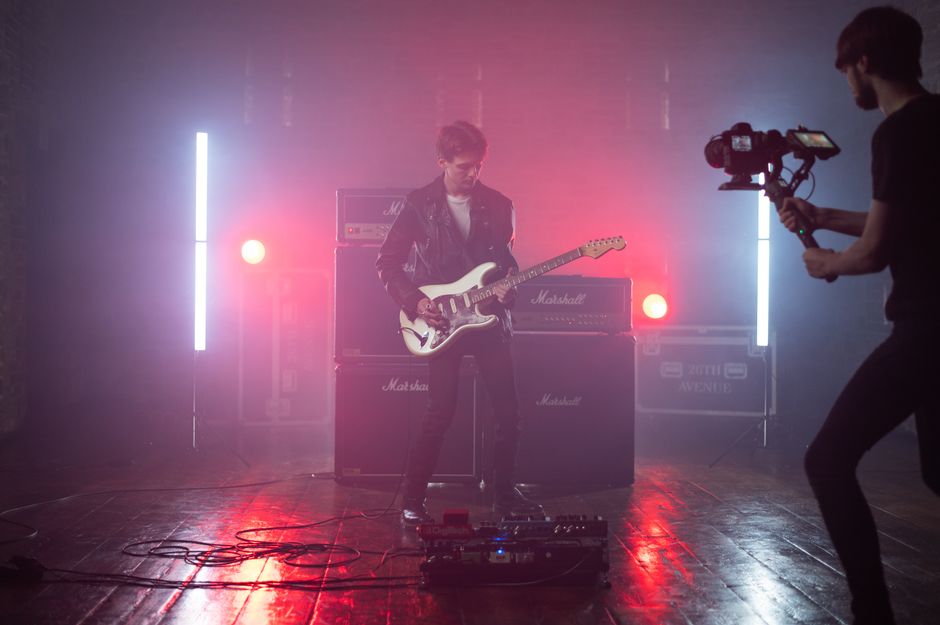
The first step in music video production is to establish a clear concept. This involves brainstorming ideas that resonate with the song’s themes and lyrics. Collaborations between directors, producers, and artists are crucial at this stage to ensure that everyone shares a unified vision. For instance, the concept for a video might draw on the narrative of the song, or it could present a completely abstract interpretation. The key is to create a storyline or visual metaphor that enhances the listening experience.
Moreover, research plays a significant role in shaping the concept. Analyzing current trends in the music industry and studying successful music videos can provide insights into what works and what doesn’t. This helps in crafting a concept that not only aligns with the artist’s identity but also appeals to a broader audience.
Pre-Production Planning
Once the concept is established, the next phase is pre-production, where meticulous planning takes place. This includes creating a storyboard, which serves as a visual outline for the video. Storyboards help directors visualize each shot and ensure that the filming process runs smoothly. Additionally, detailed shot lists and schedules are prepared to keep the production on track and within budget.
During this phase, casting decisions are also made. Whether featuring the artist themselves or hiring actors, the right talent is crucial for bringing the concept to life. Locations are scouted, and permits are secured, ensuring that the chosen settings enhance the video’s aesthetic. All these elements contribute to a well-organized shoot that minimizes surprises on filming day.
The Filming Process
The actual filming of a music video is where the magic happens. This stage requires a skilled crew, including cinematographers, lighting technicians, and sound engineers, who work together to capture the vision laid out in the pre-production phase. The director plays a pivotal role, guiding the actors and crew to achieve the desired shots while maintaining the overall artistic direction.
Filming can take anywhere from a few hours to several days, depending on the complexity of the video. Multiple takes are often necessary to capture the perfect shot, and the energy on set is critical. A positive atmosphere can enhance performance and creativity, allowing everyone involved to contribute their best work.
Post-Production Magic
After filming concludes, the video enters post-production, where editing transforms raw footage into a polished final product. This stage involves cutting and arranging the footage to create a cohesive narrative. Editors work closely with directors to ensure that the pacing, transitions, and overall flow align with the intended vision.
Furthermore, visual effects, color grading, and sound design are added during post-production. These elements elevate the quality of the video and can significantly impact how the final product is received by audiences. For example, vibrant color grading can enhance the mood of the video, while sound design can emphasize key moments, creating a more immersive experience for viewers.
It is during this phase that the final touches, such as title cards and credits, are added before the video is ready for release. A well-edited music video can leave a lasting impression, making it essential to invest time and resources into this stage of production.
Distribution and Promotion
Once the music video is completed, the next step is distribution and promotion. In today’s digital landscape, platforms like YouTube, Vimeo, and social media channels play a significant role in reaching audiences. A strategic release plan is crucial, often involving teasers and sneak peeks to generate buzz before the full video is unveiled.
Furthermore, engaging with fans through social media can enhance viewer interaction and foster a sense of community. Collaborating with influencers or other artists can also widen the reach, introducing the video to new audiences. Utilizing analytics tools to track engagement and performance can help refine future marketing strategies and improve overall visibility.
Conclusion
Music video production is a multifaceted process that requires a harmonious blend of creativity, technical skill, and strategic planning. Each stage, from concept development to post-production, plays an integral role in creating a captivating visual experience that resonates with audiences. As the music industry continues to evolve, understanding the importance of these elements will be crucial for artists looking to make a mark in the competitive landscape of digital media. By embracing innovative techniques and staying attuned to audiences’ preferences, music video production can remain a powerful tool for artistic expression and connection.
For those interested in diving deeper into the intricacies of music videos, exploring professional resources can be beneficial. Companies specializing in music video production offer insights and expertise that can elevate any project from concept to completion.