

In recent years, 3D printing has emerged as a transformative technology that is reshaping the landscape of manufacturing and product design. What was once a niche tool for hobbyists and engineers has exploded into a multifaceted industry, accessible to businesses of all sizes. This article will delve into the various aspects of 3D printing services, exploring their benefits, applications, and the future of this innovative technology.
Understanding 3D Printing Technology
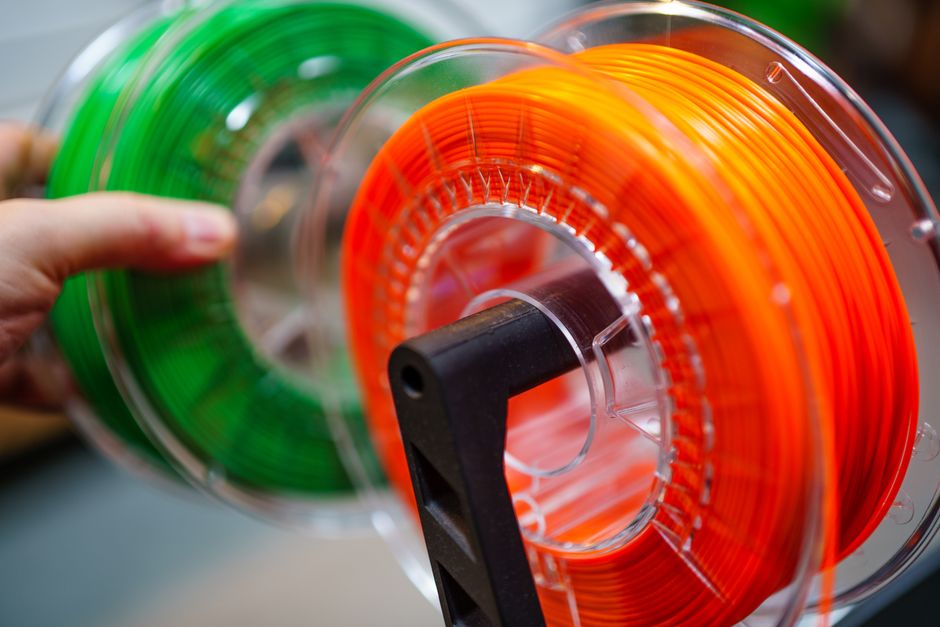
3D printing, also known as additive manufacturing, involves creating three-dimensional objects layer by layer from a digital file. The process begins with a 3D model, which is then sliced into thin horizontal layers by specialized software. These layers are subsequently printed using materials such as plastics, metals, and ceramics.
The technology has evolved significantly since its inception in the 1980s. Modern 3D printers can produce highly intricate designs that were previously impossible to fabricate using traditional methods. This capability not only enhances creativity but also allows for the production of lightweight, strong components that can significantly reduce material waste.
As an illustration, companies have reported a reduction in material costs by up to 90% when using 3D printing techniques compared to traditional subtractive manufacturing methods. This efficiency is particularly valuable in industries where precision and customization are paramount.
Applications of 3D Printing Services
The versatility of 3D printing services has led to their adoption across a wide array of sectors. One of the most notable applications is in the aerospace industry, where companies utilize 3D printing to create lightweight components that improve fuel efficiency. For instance, GE Aviation has successfully implemented 3D printing to produce fuel nozzles for jet engines, resulting in a part that is 25% lighter yet more durable than its traditionally manufactured counterpart.
Another sector experiencing the benefits of 3D printing is healthcare. Medical professionals are now able to create patient-specific implants and prosthetics. For example, orthopedic surgeons can use 3D printing to produce custom joint replacements that fit the unique anatomy of each patient, leading to better surgical outcomes and faster recovery times.
Furthermore, the automotive industry is leveraging 3D printing to streamline prototyping and production processes. Companies like Ford and BMW are using this technology to design and manufacture parts on demand, significantly reducing lead times and inventory costs.
Benefits of Using 3D Printing Services
The advantages of 3D printing services are numerous and can have a profound impact on business operations. First and foremost, the ability to quickly prototype designs allows companies to iterate rapidly and bring products to market faster. This agility is essential in today’s fast-paced business environment, where consumer preferences can shift overnight.
Additionally, 3D printing enables personalization at scale. Businesses can offer customized products without the need for expensive tooling or molds. This capability not only enhances customer satisfaction but also opens new revenue streams for companies willing to embrace this technology.
Moreover, 3D printing contributes to sustainability efforts by minimizing waste. Traditional manufacturing often involves cutting away excess material, leading to significant waste. In contrast, 3D printing only uses the necessary material to create an object, which is especially beneficial in industries aiming to reduce their environmental footprint.
Challenges and Considerations
Despite the many benefits, there are challenges associated with the widespread adoption of 3D printing services. One of the primary concerns is the quality and consistency of printed products. While the technology has advanced, achieving the same level of quality as traditional manufacturing can be difficult, particularly for high-stakes applications like aerospace and medical devices.
Intellectual property issues also pose a challenge, as the ease of copying designs raises concerns about copyright infringement. Companies must navigate these legal complexities to protect their innovations while leveraging the advantages of 3D printing.
Furthermore, the initial investment in high-quality 3D printing equipment can be significant, which may deter smaller businesses from adopting this technology. However, as 3D printing becomes more mainstream, costs are expected to decrease, making it more accessible to a broader range of organizations.
The Future of 3D Printing Services
The future of 3D printing services looks promising, with ongoing advancements in materials and technology. Researchers are developing new materials that can withstand extreme conditions, expanding the possibilities for applications in aerospace, automotive, and even construction.
Moreover, the integration of artificial intelligence and machine learning into the design and manufacturing process is set to revolutionize how products are created. These technologies can optimize designs for performance and cost, further enhancing the efficiency of 3D printing.
As the demand for rapid prototyping and customized products continues to grow, the role of 3D printing services will become increasingly vital. Businesses that embrace this technology will be well-positioned to lead in their respective markets.
For those looking to enhance their manufacturing capabilities, exploring a 3D printing service can be a strategic choice to stay ahead of the competition and leverage the benefits of this transformative technology.
Conclusion
3D printing services are not just a passing trend; they represent a fundamental shift in how products are designed and manufactured. With applications spanning a multitude of industries, the advantages of adopting this technology are clear. While challenges remain, ongoing advancements and increasing accessibility suggest a bright future for 3D printing. Businesses that invest in this innovative technology will likely find themselves at the forefront of their industries, ready to meet the demands of an ever-evolving marketplace.