

The quest for flawless skin often leads individuals to explore various cosmetic treatments. Among these, chemical peels have gained popularity for their ability to rejuvenate the skin, improve texture, and reduce signs of aging. This article delves into the intricacies of chemical peel treatments, exploring what they entail, their benefits, potential risks, and aftercare tips.
Understanding Chemical Peels
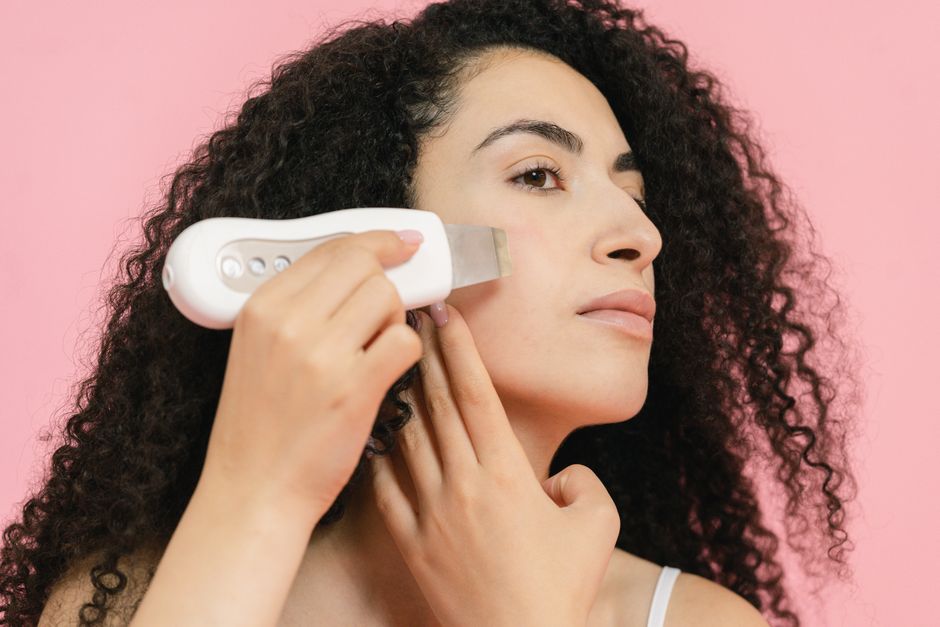
A chemical peel is a cosmetic procedure that involves applying a solution to the skin to exfoliate and ultimately peel away the top layers. This method reveals fresher, healthier skin underneath. The peels can vary in strength and depth: superficial, medium, and deep. Superficial peels use mild acids to gently exfoliate the skin, while deeper peels can address more severe skin issues.
Typically, the procedure is performed in a dermatologist’s office and requires little to no downtime. However, the depth of the peel often determines how long the recovery period will be. For instance, patients undergoing a deep peel may experience redness and peeling for several weeks.
Benefits of Chemical Peels
Chemical peels offer numerous benefits, making them a sought-after solution for various skin concerns. One of the primary advantages is their ability to improve skin texture and tone. Patients often report smoother skin and a reduction in fine lines and wrinkles following treatment.
Moreover, chemical peels can help diminish the appearance of acne scars, sun damage, and hyperpigmentation. These treatments can also stimulate collagen production, leading to firmer skin over time. For individuals struggling with oily or acne-prone skin, superficial peels can help unclog pores and reduce breakouts.
Another significant benefit is the overall revitalization of skin. Many users notice a brighter complexion and an improved overall appearance, making chemical peels an effective option for those looking to refresh their look.
Potential Risks and Side Effects
While chemical peels are generally safe, it’s essential to understand potential risks and side effects. Common side effects include redness, swelling, and peeling skin. These symptoms are usually temporary and subside within a few days to weeks, depending on the peel’s depth.
However, more severe side effects can occur, particularly with medium and deep peels. These may include scarring, changes in skin pigmentation, and infection. Therefore, it’s crucial to consult with a qualified dermatologist before undergoing any chemical peel treatment to ensure it’s appropriate for your skin type and concerns.
Patients with darker skin tones should exercise caution, as they may be more prone to pigmentation changes following a peel. A thorough consultation can help mitigate these risks and tailor the treatment to individual needs.
Aftercare and Recovery
Post-treatment care is vital for achieving the best results from a chemical peel. After the procedure, patients are advised to keep the treated area clean and moisturized. Sunscreen is essential to protect the new skin from UV damage, as it will be more sensitive for several weeks.
Additionally, patients should avoid exfoliating products and harsh skincare ingredients until the skin has completely healed. It’s also recommended to refrain from picking at peeling skin, as this can lead to scarring or infection.
Hydration plays a crucial role in recovery, as well. Drinking plenty of water and using gentle, hydrating skincare products can promote healing and enhance the results of the treatment.
Choosing the Right Provider
Selecting a qualified professional for your chemical peel treatment is paramount. Look for a board-certified dermatologist with experience in performing chemical peels. They can assess your skin type and recommend the most suitable treatment plan.
Before undergoing the procedure, it’s advisable to ask about the types of peels offered, the expected outcomes, and any potential risks. A consultation allows you to discuss your goals and concerns, ensuring you have realistic expectations.
In conclusion, chemical peels can be a transformative treatment for those looking to enhance their skin’s appearance. With proper understanding, care, and professional guidance, individuals can achieve radiant, rejuvenated skin. For more information on this treatment, consider exploring the chemical peel treatment options available.