

In recent years, aerial drone photography has revolutionized the way we capture and perceive visual imagery from the skies. This innovative technology not only offers breathtaking perspectives but also provides practical applications across various industries. From real estate to environmental monitoring, drones equipped with high-quality cameras are redefining the standards of photography.
The Rise of Drone Technology
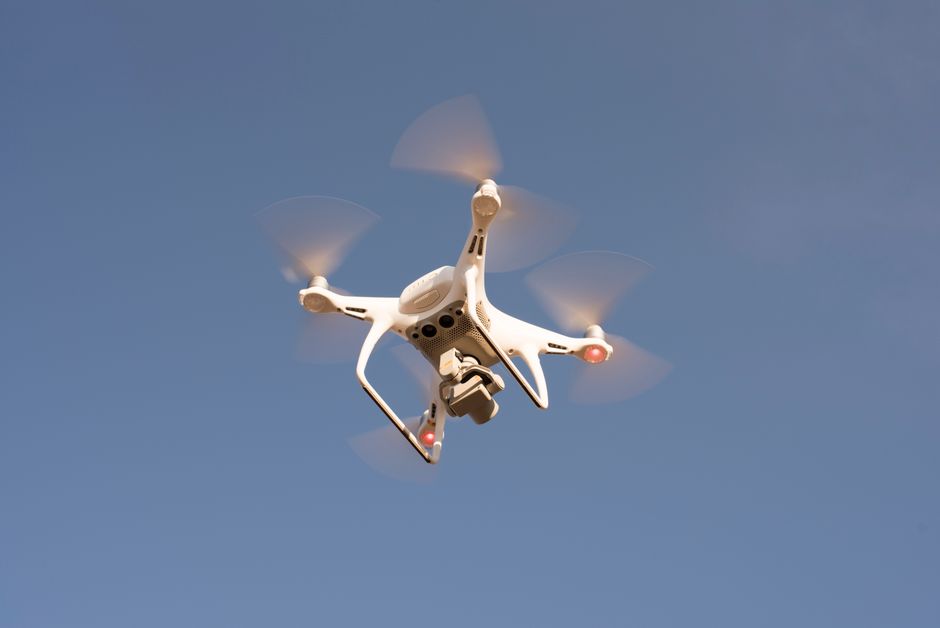
The advent of drone technology has made aerial photography accessible to enthusiasts and professionals alike. Initially, drones were used mainly for military purposes, but their application has expanded significantly. According to a report by the Federal Aviation Administration (FAA), the number of commercial drones in the United States is projected to reach 1.5 million by 2025. This surge in drone usage is fueled by their capability to capture high-resolution images and videos from hard-to-reach places.
Furthermore, the decreasing cost of drones has enabled amateur photographers to experiment with aerial photography. Models such as the DJI Mavic series and the Parrot Anafi provide advanced features at a fraction of the cost of traditional aerial photography methods, such as helicopters.
Applications in Various Industries
Aerial drone photography is not limited to breathtaking landscapes or stunning real estate shots; its applications span multiple sectors. In agriculture, farmers utilize drones to monitor crop health and assess land conditions. By employing multispectral cameras, they can identify issues such as pest infestations or water stress at an early stage, leading to better yield management.
In real estate, high-quality aerial images can significantly enhance property listings. Studies show that properties with aerial photography receive 68% more inquiries than those without. This shift in marketing strategy emphasizes the importance of visual appeal in attracting potential buyers.
Moreover, drones are increasingly used in environmental monitoring and conservation efforts. Researchers deploy drones to track wildlife populations and monitor habitat changes, providing valuable data that can influence conservation strategies.
Creative Possibilities with Aerial Photography
The creative potential of aerial drone photography is immense. Photographers can explore unique angles and perspectives that were previously impossible or prohibitively expensive to achieve. For instance, a drone can capture images of a landscape that highlight patterns and textures not visible from the ground.
Additionally, the ability to capture stunning videos has opened up new avenues for storytelling. Aerial cinematography is becoming a staple in filmmaking, providing dynamic shots that enhance the narrative. The use of drones in events such as weddings and sports has also gained popularity, allowing for immersive experiences that traditional photography cannot offer.
As photographers continue to push the boundaries of creativity, the demand for professional-grade aerial photography services is on the rise. Many professionals now offer specialized services incorporating aerial shots into their portfolios, enhancing their marketability.
Regulations and Safety Concerns
Despite the excitement surrounding aerial drone photography, it is essential to navigate the regulations and safety concerns associated with drone usage. The FAA has established guidelines for drone operators, including restrictions on flying near airports and over populated areas. It is crucial for photographers to familiarize themselves with these regulations to avoid fines and ensure safe operations.
Furthermore, safety should always be a priority. Ensuring that the drone is maintained properly and operated by a trained individual can prevent accidents that could cause injury or damage to property. Many photographers take courses to enhance their skills and understanding of safe drone operation.
Future Trends in Aerial Photography
The future of aerial drone photography looks promising, with technological advancements continually enhancing the capabilities of drones. Features such as obstacle avoidance, automated flight paths, and improved battery life are making drones more user-friendly and efficient. According to industry analysts, the global drone market is expected to grow substantially in the coming years, driven by innovations and increased demand for aerial imaging.
Furthermore, the integration of artificial intelligence (AI) in drone technology is set to transform the landscape of aerial photography. AI can assist in image processing and analysis, enabling photographers to create stunning visuals with minimal effort.
As the industry evolves, we can expect to see even more creative applications of aerial drone photography, solidifying its place as an essential tool in both artistic and commercial realms.
Conclusion
Aerial drone photography has transcended traditional imaging techniques, offering unprecedented perspectives and applications across various industries. As technology continues to advance, the possibilities for creativity and innovation in this field are limitless. Whether for professional use or personal enjoyment, the captivating visuals provided by drones inspire and engage audiences worldwide. For those looking to harness the power of aerial imagery, exploring the world of aerial drone photography is an exciting venture.