

Organic farming has gained immense popularity in recent years, driven by a growing demand for sustainable and healthy food options. As more farmers transition to organic practices, understanding the essential supplies needed to thrive in this sector is crucial. This article will explore the key supplies necessary for organic farming, providing insights into their importance and how they contribute to a successful organic farming operation.
Understanding Organic Farming
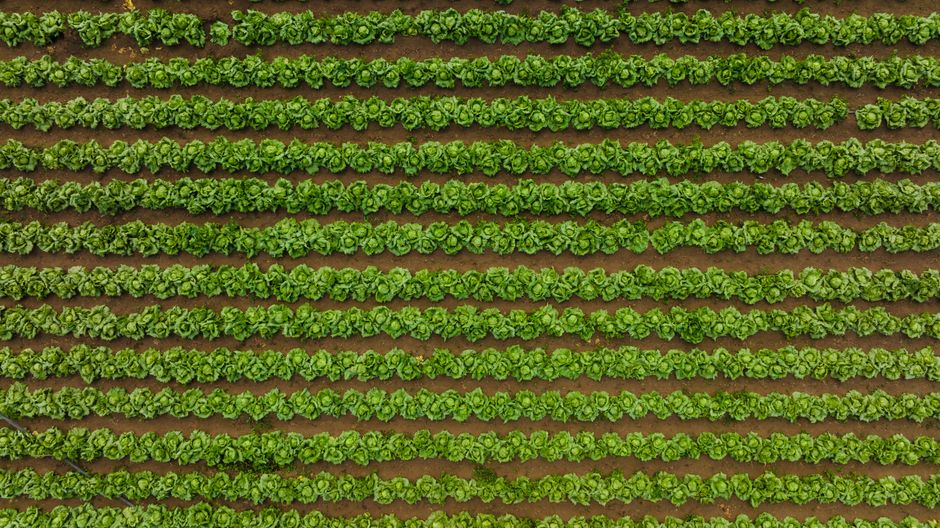
Organic farming is a method of agriculture that emphasizes sustainability, biodiversity, and the health of the soil. Unlike conventional farming, which often relies on synthetic fertilizers and pesticides, organic farming utilizes natural inputs to promote plant health and productivity. The transition to organic practices requires a commitment to understanding the ecosystem and the various factors that impact crop growth.
One of the first steps in organic farming is to establish a solid foundation of knowledge about organic standards and regulations. Farmers must familiarize themselves with the certification process, which ensures that their practices meet the necessary guidelines set forth by regulatory bodies. This knowledge is essential for successful marketing and selling of organic products.
Key Supplies for Organic Farming
When it comes to organic farming, having the right supplies is vital. Here are some of the most essential items that every organic farmer should consider:
1. **Soil Amendments**: Healthy soil is the cornerstone of organic farming. Organic farmers often use compost, manure, and other natural amendments to enrich the soil with nutrients. These amendments help improve soil structure, enhance microbial activity, and increase water retention, all of which contribute to robust plant growth.
2. **Seeds**: Selecting the right seeds is crucial for a successful organic farming operation. Organic seeds are sourced from non-GMO plants and often exhibit better resilience against pests and diseases. Farmers should look for certified organic seeds to ensure compliance with organic standards.
3. **Pest Management Supplies**: Managing pests without synthetic chemicals is a challenge for organic farmers. However, there are various organic pest management solutions available, including neem oil, insecticidal soaps, and beneficial insects. These options allow farmers to effectively control pest populations while maintaining organic integrity.
4. **Irrigation Systems**: Water management is essential in organic farming. Efficient irrigation systems, such as drip irrigation, help conserve water and deliver it directly to the plant roots. This method not only saves water but also reduces the risk of disease by minimizing water on foliage.
5. **Organic Farming Supplies**: To source high-quality organic farming supplies, farmers can explore various retailers that specialize in organic inputs. For instance, organic farming supplies can be found through specialized online platforms that cater to the unique needs of organic farmers.
The Role of Technology in Organic Farming
Technology plays a significant role in modern organic farming practices. From soil testing kits to mobile apps for tracking crop health, advancements in technology can enhance productivity and efficiency. Farmers can use precision agriculture techniques to monitor soil moisture levels, nutrient content, and pest populations, allowing for more informed decision-making.
Additionally, drones and automated machinery are becoming increasingly popular in organic farming. These technologies help farmers manage larger areas of land while reducing labor costs and increasing yield potential.
Challenges Faced by Organic Farmers
While organic farming presents many benefits, it also comes with its own set of challenges. One of the most significant hurdles is the initial investment required to transition from conventional to organic practices. Farmers may face higher costs for organic seeds, soil amendments, and pest management supplies.
Moreover, organic farmers often deal with lower yields in the initial years as they work to build soil health and establish sustainable practices. It’s essential for farmers to be patient and persistent, as the long-term benefits of organic farming can outweigh the initial challenges.
Conclusion
Organic farming is a rewarding yet challenging endeavor that requires a comprehensive understanding of the necessary supplies and practices. By investing in high-quality organic inputs and leveraging technology, farmers can create a sustainable farming system that benefits both the environment and their communities. As the demand for organic products continues to rise, those who embrace organic farming will not only contribute to a healthier planet but also enjoy the fruits of their labor.