

Education is not just a fundamental human right; it is the cornerstone of personal and societal development. In today’s rapidly changing world, the importance of education cannot be overstated. It shapes individuals, communities, and entire nations, fostering critical thinking, creativity, and innovation. This article explores the multifaceted role of education in empowering future generations, addressing challenges, and proposing actionable solutions.
The Role of Education in Personal Development
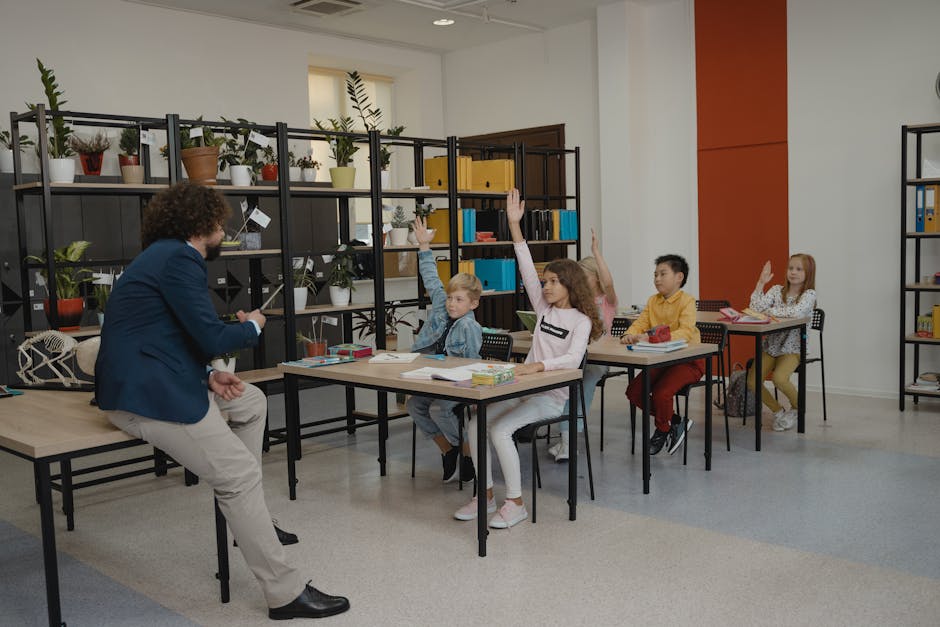
Education serves as a powerful tool for personal development, enabling individuals to acquire knowledge and skills necessary for their personal and professional lives. It broadens horizons and opens up opportunities that would otherwise remain inaccessible. For instance, a report by the World Bank indicates that each additional year of schooling can increase a person’s income by up to 10%. This statistic illustrates the direct correlation between education and economic empowerment.
Moreover, education fosters critical thinking and problem-solving abilities. It encourages students to question and analyze information rather than passively accepting it. This skill is increasingly vital in a world flooded with information, where discerning fact from fiction can be challenging. Educational institutions that emphasize critical thinking prepare students to navigate complexities in their personal and professional lives.
Furthermore, education promotes emotional and social development. Through collaborative projects and discussions, students learn the importance of teamwork and empathy. These soft skills are crucial in today’s workplace, where collaboration and interpersonal relationships often determine success. Therefore, investing in education is investing in a well-rounded individual capable of contributing positively to society.
Education as a Catalyst for Societal Change
The impact of education extends beyond personal growth; it serves as a catalyst for societal change. Educated individuals are more likely to engage in civic activities, such as voting and volunteering, which strengthens democratic processes. According to UNESCO, countries with higher literacy rates tend to have more stable governments and better public health outcomes.
Moreover, education plays a significant role in reducing inequality. Access to quality education can break the cycle of poverty and empower marginalized communities. For example, initiatives that focus on girls’ education in developing countries have shown remarkable results, not only improving individual lives but also enhancing community welfare. Educating girls leads to better health, economic, and social outcomes for entire families and communities.
However, despite its importance, many barriers to education persist globally, including poverty, discrimination, and inadequate infrastructure. Addressing these challenges requires collaborative efforts between governments, NGOs, and the private sector to create inclusive educational systems. Innovative solutions, such as mobile classrooms and online learning platforms, can help bridge the gap for underserved populations.
Technological Advancements in Education
In recent years, technology has revolutionized the educational landscape, making learning more accessible and engaging. Online learning platforms, educational apps, and virtual classrooms are transforming traditional education methods. The COVID-19 pandemic accelerated this trend, forcing many institutions to adapt quickly to online formats.
One significant advantage of technology in education is the ability to personalize learning experiences. Adaptive learning technologies can tailor educational content to meet individual student needs, allowing for a more effective learning process. For instance, platforms like Khan Academy provide resources that cater to different learning paces and styles, enabling students to grasp concepts more thoroughly.
Furthermore, the integration of technology in education fosters global connectivity. Students can collaborate with peers from different countries, gaining diverse perspectives and cultural insights. This exposure is invaluable in today’s globalized world, where understanding and appreciating diversity is essential for personal and professional success.
Challenges Facing Modern Education
Despite the advancements in education, several challenges remain. One of the most pressing issues is the growing disparity in access to quality education. While urban areas often have better resources, rural communities may struggle to provide adequate educational opportunities. According to a report by the OECD, students in rural schools tend to perform lower on standardized tests compared to their urban counterparts, highlighting the need for targeted interventions.
Additionally, the rapid pace of technological change poses challenges for educators. Many teachers feel unprepared to integrate new technologies into their classrooms effectively. Providing professional development and ongoing support for educators is crucial to ensure they can leverage technology to enhance teaching and learning.
Moreover, the mental health of students is an increasingly important concern. The pressures of academic performance, social media, and personal issues can lead to anxiety and depression among students. Educational institutions must prioritize mental health resources and create supportive environments that foster well-being alongside academic success.
Conclusion: A Call to Action
Education is a powerful force that shapes individuals and societies. As we move forward, it is imperative that we recognize the critical role education plays in personal and societal development. By addressing the challenges facing educational systems and leveraging technology, we can create more inclusive and effective learning environments.
Moreover, as part of this educational journey, many aspiring healthcare professionals are seeking comprehensive review courses to prepare for licensing exams. For those interested, an In person Nclex review in Houston can provide valuable insights and preparation strategies.
Ultimately, investing in education is investing in our future. It is a collective responsibility to ensure that every individual has access to quality education, empowering them to achieve their full potential and contribute positively to society.