

As the world becomes increasingly aware of the need for sustainable practices, aquaponics has emerged as a leading solution for eco-friendly gardening. Combining aquaculture and hydroponics, aquaponics systems allow individuals to grow plants and raise fish simultaneously in a symbiotic environment. In this article, we will explore the key benefits of using aquaponics kits, how they work, and tips for successful implementation.
Understanding Aquaponics
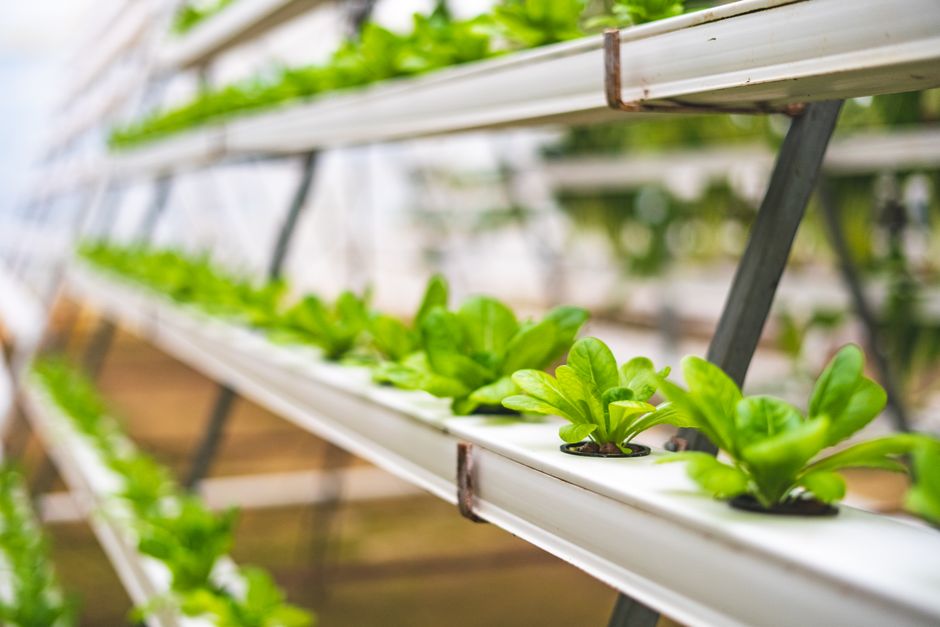
Aquaponics is a method that integrates fish farming (aquaculture) with plant cultivation (hydroponics). In a typical aquaponics system, fish waste provides an organic nutrient source for the plants, while the plants filter and purify the water for the fish. This mutually beneficial relationship creates a sustainable ecosystem that can thrive in various environments, from small homes to large commercial operations.
This innovative approach to gardening significantly reduces water usage compared to traditional gardening methods. In fact, aquaponics systems use up to 90% less water, making them an attractive option for those living in water-scarce areas. Additionally, the closed-loop nature of aquaponics minimizes the need for chemical fertilizers and pesticides, promoting healthier plants and fish.
Benefits of Using Aquaponics Kits
Aquaponics kits are designed to simplify the setup process for beginners and experienced gardeners alike. One of the primary benefits of using these kits is the convenience they offer. Most kits come with all the necessary components, including tanks, pumps, and grow beds, allowing users to start their aquaponics journey without extensive research or investment.
Moreover, aquaponics kits enable users to grow a variety of plants, from leafy greens to herbs and even fruit-bearing plants. The flexibility in plant selection makes aquaponics an appealing choice for those interested in cultivating their own food. Additionally, by raising fish such as tilapia or catfish, individuals can enjoy a sustainable source of protein, further enhancing their self-sufficiency.
Successful Implementation of Aquaponics Kits
To achieve success with an aquaponics kit, it’s essential to understand the basic requirements for both fish and plant growth. Maintaining appropriate water quality, temperature, and pH levels is crucial for the health of the ecosystem. Regular monitoring and adjustments will ensure that both the fish and plants thrive.
Furthermore, choosing the right fish species is key. Some fish are more suited for aquaponics systems than others, depending on the climate and water conditions. Common choices include tilapia, goldfish, and catfish, each offering unique benefits and challenges. For instance, tilapia are known for their fast growth rates and resilience, making them a favored option among aquaponics enthusiasts.
Economic and Environmental Impact
As consumers become more eco-conscious, the demand for sustainable food sources continues to rise. Aquaponics not only addresses this demand but also offers economic advantages. By producing food locally, aquaponics systems can significantly reduce transportation costs and carbon footprints associated with traditional agriculture.
Furthermore, aquaponics can be a profitable venture for small-scale farmers and entrepreneurs. With the right marketing strategies and product quality, aquaponics can lead to successful business opportunities, whether through direct sales to consumers or partnerships with local restaurants.
Conclusion
In conclusion, aquaponics kits present an innovative solution for sustainable gardening that benefits both the environment and individuals seeking self-sufficiency. By understanding the principles of aquaponics and implementing the right techniques, anyone can create a thriving and productive garden. For those interested in starting their aquaponics journey, consider exploring an aquaponics kit to kickstart your sustainable gardening adventure.