

In recent years, the luxury brand reselling market has exploded in popularity, driven by a combination of sustainability, accessibility, and the growing desire for high-end products at a more affordable price. This article explores the dynamics of the luxury brand reselling industry, examining its growth, the players involved, and the implications for consumers and brands alike.
Understanding the Luxury Brand Reselling Market
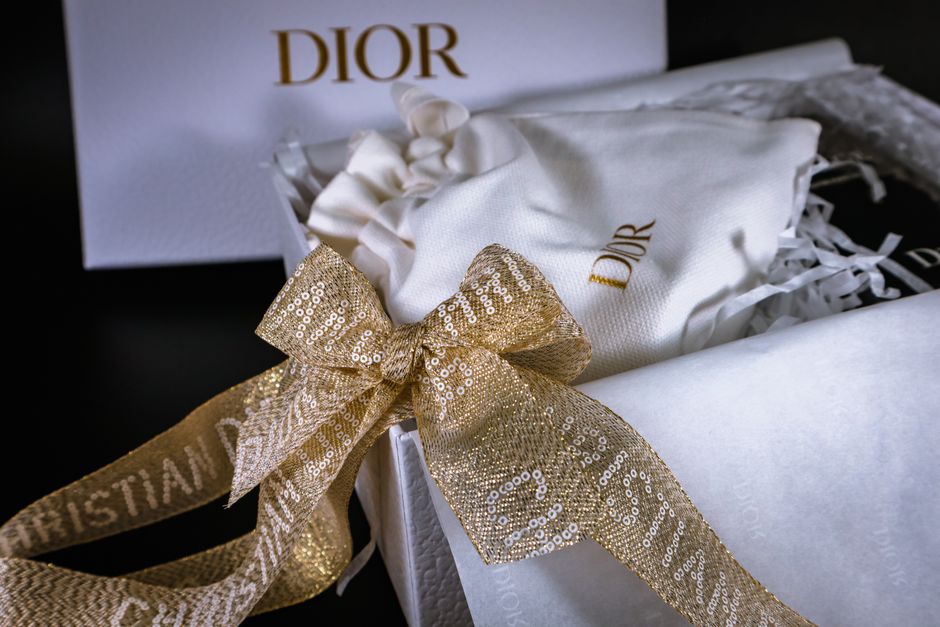
The luxury brand reselling market refers to the practice of purchasing high-end goods and reselling them, often at a premium or a reduced price compared to retail. This market has seen a surge in activity, particularly among millennials and Gen Z consumers, who are more inclined to seek sustainable fashion options. According to a report by Bain & Company, the global second-hand market is projected to reach $64 billion by 2024, with luxury items making up a significant portion of this growth.
One key driver of this trend is the increasing awareness of sustainability among consumers. Many are now opting for pre-owned luxury items as a way to reduce waste and promote a circular economy. This shift in consumer behavior is reshaping the luxury industry, prompting brands to rethink their strategies and embrace the resale market.
The Players in the Reselling Space
Several platforms and marketplaces have emerged to facilitate the buying and selling of luxury items. Websites like The RealReal, Poshmark, and Vestiaire Collective have become major players in the reselling landscape, providing consumers with a trusted platform to purchase authenticated luxury goods. These platforms not only cater to individual sellers but also work directly with brands to offer surplus inventory.
Additionally, the rise of social media has played a crucial role in the luxury reselling market. Influencers and fashion enthusiasts regularly showcase their second-hand finds, creating a community that celebrates sustainable fashion. This visibility helps to normalize the idea of buying pre-owned luxury items, further driving demand.
Benefits for Consumers
For consumers, the luxury brand reselling market offers numerous advantages. Firstly, it provides access to high-end products that may be otherwise unaffordable. With the right knowledge and timing, buyers can find significant discounts on sought-after items. For example, a limited-edition handbag that originally retails for $3,000 might be available for $1,800 on a resale platform.
Furthermore, reselling luxury items can also serve as a source of income for consumers. Many people have turned to platforms to sell items they no longer use, allowing them to recoup some of their investment. This practice not only clears out their wardrobe but also contributes to a more sustainable fashion ecosystem.
Challenges in the Reselling Market
Despite the rapid growth of the luxury brand reselling market, several challenges persist. One major concern is the issue of counterfeit goods. While reputable platforms have measures in place for authentication, consumers must remain vigilant when purchasing from individual sellers or lesser-known sites.
Additionally, the resale market can impact the exclusivity of luxury brands. As more items become available on the second-hand market, the perceived value of certain luxury goods may decrease. Brands must navigate this delicate balance to maintain their prestige while also appealing to a broader audience.
The Future of Luxury Brand Reselling
The future of the luxury brand reselling market appears bright, as both consumers and brands increasingly embrace this trend. With sustainability at the forefront of consumer values, luxury brands are beginning to adapt by collaborating with resale platforms or even launching their own resale initiatives. For instance, some brands are offering buy-back programs that allow customers to return items for credit towards future purchases.
As the market continues to evolve, it will be interesting to see how it shapes consumer behavior and brand strategies. The emergence of the luxury brand reseller market is not just a passing trend; it represents a fundamental shift in the way we perceive and consume luxury goods.
Conclusion
In conclusion, the luxury brand reselling market is a growing sector that reflects changing consumer values and behaviors. By understanding the dynamics at play, both consumers and brands can navigate this evolving landscape effectively. Whether seeking affordable luxury items or looking to sell pre-owned goods, the opportunities within this market are vast and varied.