

Perfume has been an integral part of human culture for centuries, evoking emotions and memories with a single spritz. The artistry of fragrance creation is a delicate dance between chemistry and creativity, enveloping the wearer in a veil of scent that can communicate their personality without a single word. In this article, we will explore the fascinating world of perfume, its history, the art of fragrance composition, and the impact it has on our daily lives.
A Brief History of Perfume
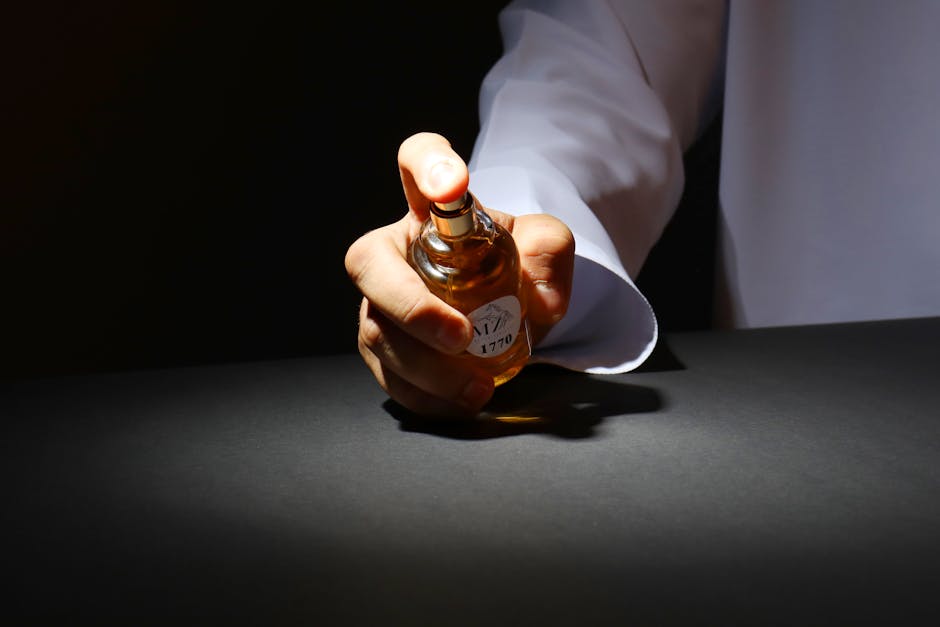
The history of perfume dates back to ancient civilizations. The Egyptians were known for their advanced techniques in distilling aromatic oils, which they used in religious ceremonies, cosmetics, and as offerings to the gods. Similarly, the Greeks and Romans embraced the use of fragrance, often incorporating it into their baths and daily rituals. Perfume was not merely a luxury; it was a statement of social status and personal identity.
By the Middle Ages, perfume had spread across Europe, often associated with the aristocracy. The rise of the perfume industry in France during the 17th century marked a significant turning point, with the establishment of renowned perfume houses that still exist today. This era saw the emergence of signature scents that defined the olfactory landscape of the time, influencing trends that persist to this day.
The Art of Fragrance Composition
Creating a perfume is an intricate process that requires a deep understanding of scent families, notes, and the chemistry of fragrance. Perfume is typically composed of three layers: top notes, middle notes, and base notes. The top notes are the initial scents that are detected upon application, providing a fresh and vibrant introduction. These are usually light and volatile, such as citrus or herbal scents.
The middle notes, or heart notes, emerge after the top notes dissipate, forming the core of the fragrance. These notes often include floral or spicy elements that give the perfume its character and depth. Finally, the base notes are the foundation of the scent, lingering on the skin long after the initial application. These notes are usually rich and deep, often composed of woods, musk, or amber.
One of the most celebrated perfume houses, Maison Francis Kurkdjian (MFK), exemplifies the artistry involved in fragrance creation. Founded by the renowned perfumer Francis Kurkdjian, MFK is known for its innovative and luxurious scents that push the boundaries of traditional perfumery.
The Influence of Perfume on Mood and Identity
Perfume is more than just a pleasant aroma; it can significantly influence our mood and how we perceive ourselves and others. Studies have shown that certain scents can evoke specific emotions, such as calming effects from lavender or energizing sensations from citrus. This connection between scent and emotion has profound implications for personal well-being and self-expression.
Moreover, fragrance can enhance personal identity. Many individuals choose a signature scent that reflects their personality or mood, creating a unique olfactory mark that distinguishes them from others. In social settings, the right fragrance can boost confidence and make a lasting impression, illustrating the power of scent in human interactions.
Perfume in the Modern World
Today, the perfume industry is a multi-billion dollar market, with an ever-growing demand for both niche and designer fragrances. Consumers are increasingly seeking unique and personalized scents, leading to the rise of artisanal perfumers who craft limited-edition and bespoke fragrances. This trend highlights the shift towards individuality and authenticity in the world of perfume.
Furthermore, the sustainability movement has also influenced the fragrance industry. Many brands are now focusing on eco-friendly practices, sourcing natural ingredients, and reducing their carbon footprint. This shift is not only beneficial for the environment but also resonates with a growing consumer base that values ethical and sustainable luxury.
Conclusion
In conclusion, perfume is a captivating blend of history, art, and science that plays a significant role in our lives. From its ancient roots to modern innovations, fragrance continues to enchant and inspire. Whether as a personal statement or a mood enhancer, perfume remains a powerful tool for self-expression. As we navigate the ever-evolving landscape of scents, one thing is clear: the allure of perfume will endure, weaving its magic into the fabric of our daily experiences.