

Handmade pizza has become a culinary art form, capturing the hearts and taste buds of pizza lovers around the world. Unlike mass-produced versions, handmade pizzas are crafted with care, allowing for a unique blend of flavors and textures. This article delves into the intricacies of making handmade pizza, highlighting the ingredients, techniques, and cultural significance behind this beloved dish.
The Importance of Quality Ingredients
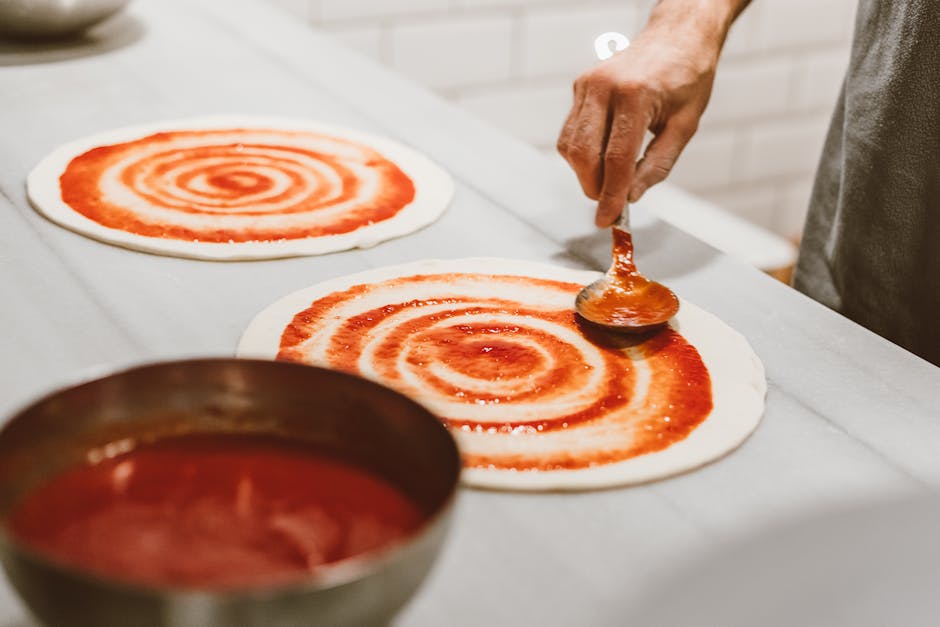
At the core of every great handmade pizza lies its ingredients. The choice of flour, tomatoes, cheese, and toppings can dramatically affect the final product. For instance, using high-protein flour can yield a chewier crust, while fresh, high-quality tomatoes can elevate the sauce’s flavor.
Moreover, artisanal cheeses, such as fresh mozzarella or aged Parmigiano-Reggiano, add depth to the pizza. Each ingredient should be selected with intention, as they work in harmony to create a delightful culinary experience. According to a study by the Pizza Research Institute, pizzas made with fresh ingredients score significantly higher on taste tests, emphasizing the importance of quality.
Additionally, the sourcing of ingredients plays a crucial role in handmade pizza. Local and seasonal produce not only supports local farmers but also ensures that the flavors are at their peak. Many pizzerias emphasize the use of organic and locally sourced ingredients, which can significantly enhance the taste of the pizza.
The Craft of Dough Making
The dough is often considered the heart of handmade pizza. A well-prepared dough can make or break the pizza. The process of making dough involves mixing flour, water, yeast, and salt, but the magic happens during fermentation. Allowing the dough to rise slowly enhances its flavor and texture, resulting in a light and airy crust.
Many pizzaiolos (pizza makers) advocate for a longer fermentation process, sometimes up to 72 hours. This not only develops the gluten structure but also contributes to a more complex flavor profile. Once the dough is ready, shaping it by hand rather than using a rolling pin preserves its airy texture, making it a vital step in the handmade pizza process.
Furthermore, the technique of tossing the dough is not just for show; it helps create a uniform thickness and adds a unique character to the crust. The traditional Neapolitan style, for instance, emphasizes a soft and chewy center with a slightly charred edge, achieved through high-temperature cooking in a wood-fired oven.
Choosing the Right Toppings
The toppings on a handmade pizza can vary widely, reflecting regional preferences and personal tastes. Classic options include pepperoni, mushrooms, bell peppers, and fresh basil. However, contemporary pizza makers are pushing the boundaries with innovative toppings like fig and prosciutto or buffalo chicken.
It’s essential to strike a balance between flavors and textures when selecting toppings. For example, combining creamy cheeses with tangy sauces can create a harmonious flavor profile. Additionally, the placement of toppings matters; distributing them evenly ensures that every bite is as delicious as the last.
Interestingly, the trend of gourmet pizzas has surged in recent years, with chefs experimenting with unconventional toppings and flavor combinations. This experimentation not only showcases creativity but also caters to diverse dietary preferences, including vegan and gluten-free options, thus broadening the appeal of handmade pizzas.
The Cultural Significance of Pizza
Handmade pizza is more than just a meal; it’s a cultural phenomenon. Originating from Italy, it has evolved into a global favorite, with each region adding its unique twist. For instance, Chicago-style deep-dish pizza offers a hearty, layered experience, while New York-style pizza boasts its iconic foldable slices.
Moreover, pizza has become a social food, often enjoyed during gatherings, celebrations, and casual get-togethers. The act of sharing a pizza fosters community and connection, making it a staple in many households. According to a survey by the National Restaurant Association, pizza is one of the most ordered foods for delivery, reflecting its enduring popularity.
In recent years, many cities have embraced the pizza culture by hosting festivals that celebrate this beloved dish. These events often feature local pizzerias showcasing their unique styles and flavors, further uniting communities through the love of pizza.
Conclusion: The Future of Handmade Pizza
As the culinary landscape continues to evolve, handmade pizza remains a timeless favorite. The dedication to quality ingredients, traditional techniques, and innovative toppings ensures that this dish will adapt and thrive in the future. Whether you’re enjoying a classic Margherita or an avant-garde creation, handmade pizza offers a delicious experience that brings people together.
For those looking to explore new flavors, consider visiting local pizzerias that prioritize handmade techniques. You might even discover hidden gems such as LUXURY 777, where quality and creativity meet. Ultimately, the journey of handmade pizza is a testament to the art of cooking and the joy of sharing good food with loved ones.