

Home improvement is more than just a trend; it’s a way to enhance your living space, increase property value, and create a more enjoyable environment. Whether you’re planning a complete renovation or a few small updates, understanding the essentials of home improvement can make a significant difference. This article will guide you through various aspects of home improvement, providing actionable tips and insights to help you achieve your dream home.
Understanding Your Home’s Needs
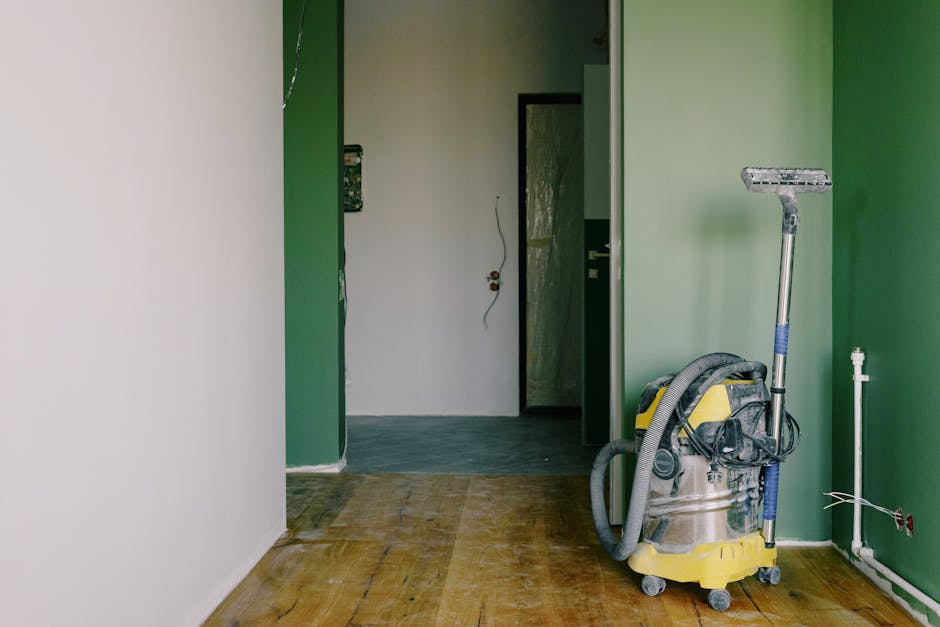
Before diving into any home improvement project, it’s crucial to assess the current condition of your home. Conducting a thorough inspection will help you identify areas that require attention. Look for signs of wear and tear, such as peeling paint, damaged flooring, or outdated fixtures. For instance, a recent survey indicated that **over 70% of homeowners plan to renovate their kitchens** within the next year. This highlights the importance of prioritizing improvements based on your needs.
Another aspect to consider is the functionality of your space. Are there rooms that feel cramped or poorly utilized? Consider reconfiguring your layout to create a more open and inviting atmosphere. For example, knocking down non-load-bearing walls can create a more spacious kitchen or living area, which is a common desire among homeowners.
In addition to aesthetics, energy efficiency is a key concern in home improvement. Upgrading to energy-efficient windows or insulating your home properly can significantly reduce utility bills, making it a smart investment.
Budgeting for Your Projects
Setting a realistic budget is one of the most critical steps in any home improvement project. It’s essential to account for both expected and unexpected expenses. According to the National Association of Home Builders, the average cost of a kitchen remodel can range from $25,000 to $50,000, depending on the scope of work.
When planning your budget, consider allocating a portion for unforeseen issues that may arise during the renovation process. For example, you might discover water damage behind a wall that requires immediate attention and additional funds. To avoid financial strain, it’s wise to set aside at least 10-20% of your total budget for contingencies.
Additionally, researching materials and labor costs ahead of time can help you make informed decisions. There are numerous resources available online to compare prices and get estimates from contractors, ensuring you stay within your financial limits.
DIY vs. Professional Help
Deciding whether to tackle a project yourself or hire a professional can be a daunting task. Many homeowners are drawn to DIY projects to save money; however, it’s essential to evaluate your skills and the complexity of the job. For simpler tasks, such as painting or landscaping, DIY may be a viable option. However, for more complicated projects, like plumbing or electrical work, it’s often best to hire a licensed professional.
Research indicates that over 40% of homeowners who attempted DIY renovations regretted not hiring a professional, particularly when it came to structural changes. This underscores the importance of understanding your limitations and when to seek expert assistance.
Furthermore, hiring professionals can often save you time and stress, allowing you to enjoy the process of enhancing your home without the added pressure of managing every detail.
Design Trends to Consider
Staying up to date with current design trends can inspire your home improvement projects and add significant value to your property. For example, open floor plans have become increasingly popular, promoting a sense of space and togetherness. In addition, sustainable materials and eco-friendly designs are gaining traction as homeowners become more environmentally conscious.
Another trend worth noting is the use of smart home technology. Integrating smart devices can enhance the functionality of your home while also improving energy efficiency. From smart thermostats to automated lighting systems, these upgrades can make your home more convenient and appealing to potential buyers.
Consider visiting a local showroom or browsing a fashion blog to gather ideas and inspiration for your home improvement projects. By keeping an eye on trends, you can ensure that your renovations are not only functional but also stylish.
Final Touches and Maintenance
Once your home improvement projects are complete, it’s time to add the finishing touches that make your space feel like home. This can include everything from selecting the right décor to ensuring that your landscaping complements your new design. Additionally, regular maintenance is vital to preserving the integrity of your improvements.
Establishing a maintenance schedule can help you stay on top of routine tasks, such as cleaning gutters, checking for leaks, and repainting exterior surfaces. Research suggests that homes that receive regular maintenance can retain their value significantly better than those that do not.
In conclusion, home improvement is a rewarding journey that requires careful planning, budgeting, and execution. By understanding your home’s needs, making informed decisions, and staying aware of design trends, you can create a space that reflects your style and enhances your quality of life.