

The children toy manufacturing industry has undergone significant transformations over the past few decades. As technology evolves, so do the types of toys available to children. Manufacturers are increasingly focusing on innovation, sustainability, and educational value, making toys that not only entertain but also educate. This article delves into the latest trends and challenges within this dynamic industry.
The Rise of Educational Toys
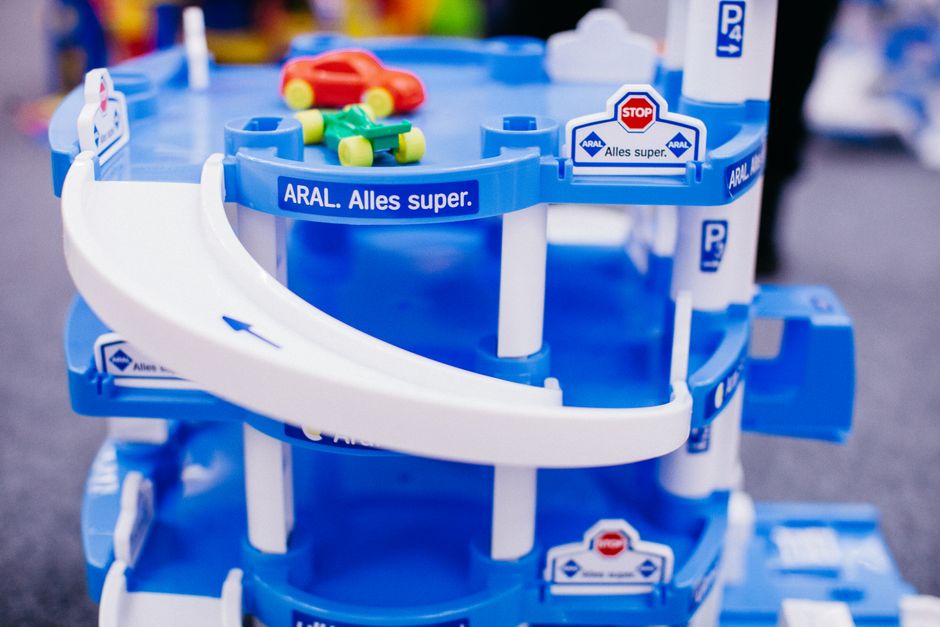
In recent years, there has been a noticeable shift towards educational toys that foster learning and development. Parents are becoming more aware of the impact that toys can have on their children’s cognitive and social skills. For instance, toys that promote STEM (Science, Technology, Engineering, and Mathematics) learning have gained immense popularity. Companies are now designing toys that encourage problem-solving and critical thinking. Statistics show that the educational toy market is expected to grow substantially, with a projected increase of over 10% annually.
Moreover, innovative children toy manufacturers are incorporating technology into their products, creating interactive learning experiences. For example, toys equipped with augmented reality features provide an immersive learning environment, allowing children to explore subjects like geography and history in a fun way. This blend of play and education is reshaping how children engage with their toys.
Sustainability in Toy Manufacturing
As environmental concerns rise, sustainability has become a focal point for toy manufacturers. Many companies are now prioritizing eco-friendly materials and sustainable production processes. For instance, biodegradable plastics and recycled materials are increasingly being used to create toys that have a reduced environmental impact. According to recent studies, over 70% of parents prefer purchasing toys from brands that are committed to sustainability.
Additionally, the push for sustainability is not only beneficial for the environment but also appeals to a growing demographic of eco-conscious consumers. Brands that successfully market their commitment to sustainability often see increased customer loyalty and trust. Engaging in transparent practices and showcasing their efforts in reducing carbon footprints can set companies apart in a competitive market.
The Role of Digital and Interactive Toys
The advent of technology has revolutionized the toy industry, leading to the rise of digital and interactive toys. These products often incorporate elements like coding, robotics, and virtual play. Children are now able to engage with toys that teach them how to code or build simple robots, making learning a hands-on experience. The global market for interactive toys is expected to reach billions in the coming years, driven by the increasing integration of technology in everyday life.
Moreover, the appeal of these toys extends beyond entertainment; they play a crucial role in developing essential skills for the future workforce. Companies are investing heavily in research and development to create toys that blend educational content with engaging gameplay. For example, one leading children toy manufacturer has introduced a range of coding robots that not only entertain but also teach children the fundamentals of programming.
Challenges in the Toy Manufacturing Industry
Despite the advancements and growth opportunities, the children toy manufacturing industry faces several challenges. One of the primary concerns is safety regulations. Manufacturers must comply with stringent safety standards to ensure their products do not pose any harm to children. This can often lead to increased production costs and lengthy testing periods.
Furthermore, the industry is also affected by trends in consumer preferences. The rise of digital entertainment means that traditional toy manufacturers must continuously adapt their strategies to keep up with changing tastes. Failing to innovate or respond to market demands can result in significant losses. To remain competitive, brands need to consistently research and understand the preferences of both children and parents.
The Future Outlook
Looking ahead, the future of the children toy manufacturing industry appears promising. The ongoing emphasis on educational value, sustainability, and technological integration is likely to shape the next wave of toy innovations. Companies that can successfully navigate these trends and challenges will position themselves as leaders in the market.
In conclusion, the children toy manufacturing industry is at a pivotal point, with opportunities for growth and innovation. By focusing on creating toys that are not only fun but also educational and sustainable, manufacturers can meet the evolving needs of today’s families. As we embrace the future of play, it is essential for companies to remain adaptable and forward-thinking in their approach.