

The toy industry is a vibrant and evolving sector that plays a crucial role in childhood development. Over the years, the landscape of children toy manufacturers has changed significantly, driven by technological advancements, shifting consumer preferences, and an increasing focus on sustainability. This article explores the key trends and innovations shaping the industry today.
Understanding the Market Landscape
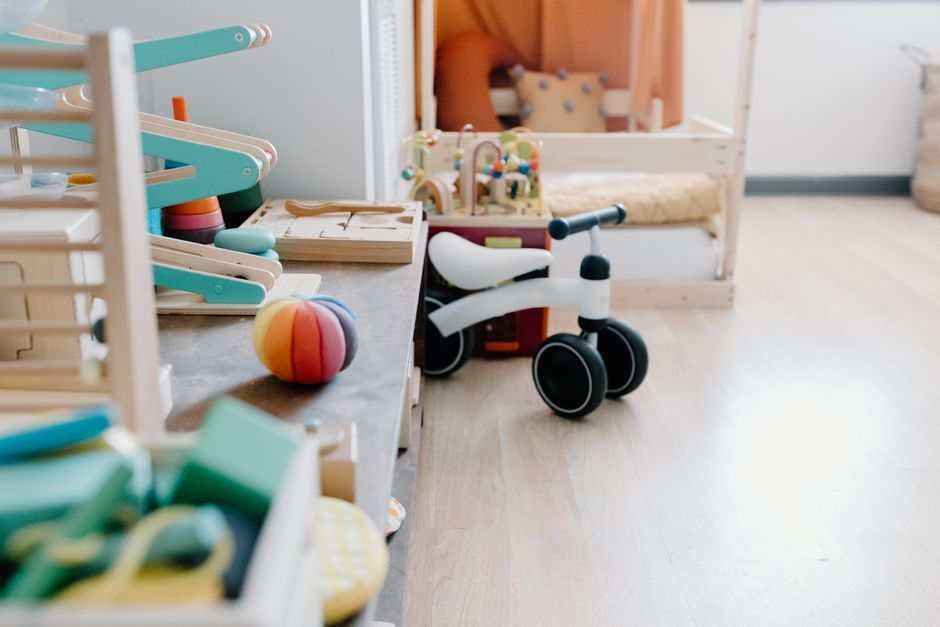
The global toy market is projected to reach over $120 billion by 2023, with a compound annual growth rate (CAGR) of around 4.2%. This growth is fueled by several factors, including the rise of digital toys, educational toys, and the increasing demand for eco-friendly products. Children toy manufacturers are adapting to these changes by incorporating new technologies and sustainable practices into their production processes.
In recent years, there has been a noticeable shift towards educational toys that promote learning through play. Parents are increasingly seeking products that not only entertain but also contribute to their children’s cognitive development. As a result, manufacturers are collaborating with educators and child development experts to create toys that enhance skills such as problem-solving, creativity, and social interaction.
Embracing Technology
The integration of technology in toys has opened up new avenues for children toy manufacturers. Smart toys equipped with sensors, artificial intelligence, and connectivity features are becoming more prevalent. These toys provide interactive experiences that can adapt to a child’s learning pace, making playtime both fun and educational.
For instance, smart building blocks that connect to apps can guide children through various construction projects, enhancing their spatial awareness and engineering skills. Moreover, augmented reality (AR) and virtual reality (VR) are being leveraged to create immersive play experiences. This technological shift not only captivates children’s attention but also encourages them to engage with the content in a meaningful way.
Sustainability: A Growing Priority
As environmental concerns continue to rise, sustainability has become a core focus for children toy manufacturers. Parents are increasingly aware of the impact their purchasing decisions have on the planet, prompting companies to rethink their materials and production methods. Many manufacturers are now prioritizing the use of recycled and biodegradable materials, ensuring that their products are safe for both children and the environment.
For example, some companies have developed toys made entirely from post-consumer plastic, significantly reducing their carbon footprint. Additionally, sustainable packaging solutions are being implemented to minimize waste. By adopting eco-friendly practices, manufacturers not only appeal to environmentally conscious consumers but also contribute positively to the planet.
Customization and Personalization
Another trend gaining traction in the toy industry is customization. Children today are more individualistic, seeking products that resonate with their unique personalities. As a response, toy manufacturers are introducing customizable options that allow children to personalize their toys, whether through colors, designs, or features.
This trend is exemplified by products such as build-your-own action figures or dolls that can be dressed in various outfits. Such customization not only enhances the play experience but also fosters a sense of ownership and creativity in children. Manufacturers are leveraging digital platforms to facilitate this personalization, allowing customers to design their toys online before purchase.
The Role of Safety Standards
With the growing diversity of toys available, safety remains a paramount concern for children toy manufacturers. Regulatory bodies around the world have established stringent safety standards to ensure that toys are safe for children of all ages. Manufacturers must adhere to these regulations, which cover aspects such as material safety, choking hazards, and age appropriateness.
In addition to complying with regulations, many companies are proactively embracing safety as a brand value. This is evident in the testing and certification processes that ensure products meet or exceed safety standards. By prioritizing safety, manufacturers build trust with consumers, which is essential in an industry where parents are increasingly vigilant about the products they purchase for their children.
Conclusion
The landscape of children toy manufacturers is continuously evolving, shaped by technological advancements, sustainability efforts, and a focus on education and safety. As the market grows, manufacturers must remain agile, adapting to changing consumer demands and industry trends. By embracing innovation and prioritizing the well-being of children, the toy industry can continue to thrive and foster positive childhood experiences. For those looking for high-quality products, it is worth exploring reputable children toy manufacturers that align with these values.