

The toy industry has always been a vibrant sector, capturing the imagination of children and parents alike. With the rapid advancement in technology and changing consumer preferences, children toy manufacturers are constantly innovating to keep up with the trends. This article delves into the various aspects of the toy manufacturing industry, from production processes to safety regulations, and how these companies are shaping the future of play.
The Evolution of Toy Manufacturing
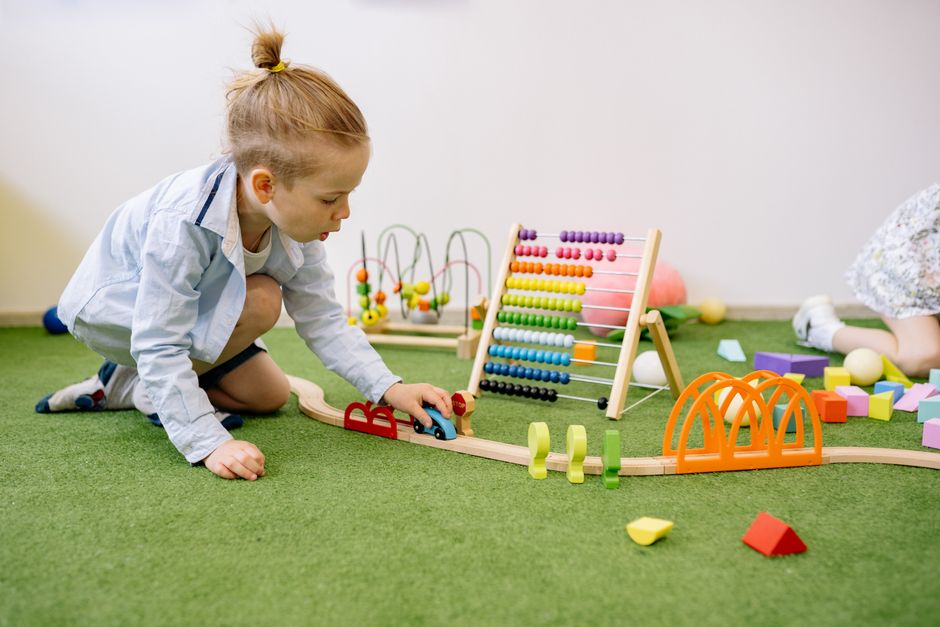
The history of toy manufacturing dates back to ancient times, with simple wooden toys being crafted by artisans. Over the centuries, the industry has evolved dramatically, embracing new materials and technologies. Today, children toy manufacturers utilize advanced machinery and techniques to produce a vast array of products. For instance, the use of robotics and automated assembly lines has significantly increased efficiency and precision in production.
Modern toys not only entertain but also serve educational purposes. Many manufacturers focus on developing toys that promote STEM (Science, Technology, Engineering, and Mathematics) skills, recognizing the importance of early childhood education. According to a report by the Toy Association, the educational toy segment has seen a growth rate of over 15% in recent years, reflecting the increasing demand for toys that foster learning.
Moreover, sustainability has become a key focus for many toy manufacturers. As environmental concerns grow, companies are exploring eco-friendly materials and production methods. For example, some brands are now using recycled plastics and organic materials to create their products, appealing to environmentally-conscious consumers.
Safety Standards in Toy Manufacturing
One of the primary concerns in the toy industry is safety. Children toy manufacturers must adhere to strict regulations to ensure that their products are safe for use. In the United States, the Consumer Product Safety Commission (CPSC) sets rigorous standards that all toys must meet before they can be sold. These standards cover various aspects, including materials used, design features, and labeling requirements.
Manufacturers conduct extensive testing to ensure that their toys are free from harmful substances and meet age-appropriate safety guidelines. For instance, toys for younger children must be free from small parts that could pose choking hazards. The testing process often involves third-party laboratories that specialize in toy safety, providing an additional layer of assurance for parents.
Despite these regulations, safety recalls do occur. In 2020 alone, there were over 20 recalls involving toys due to safety concerns. This highlights the importance of continuous monitoring and improvement in safety practices within the industry.
The Impact of Technology on Toy Manufacturing
Technology has revolutionized the way toys are designed, produced, and marketed. Children toy manufacturers are now leveraging digital tools such as 3D printing and augmented reality (AR) to enhance their offerings. 3D printing allows for rapid prototyping, enabling companies to test new designs quickly and efficiently.
Additionally, AR has transformed the play experience for children. Many toys now incorporate interactive elements that engage children in new ways. For example, some dolls can interact with apps on smartphones, providing a rich storytelling experience that blends physical and digital play.
The rise of e-commerce has also changed the landscape for toy manufacturers. With online shopping becoming increasingly popular, companies must adapt their marketing strategies to reach consumers effectively. Social media platforms and influencer partnerships have become essential tools for promoting new products and engaging with the target audience.
Global Trends in the Toy Industry
The toy industry is a global market, with manufacturers operating in various regions around the world. Emerging markets, particularly in Asia, are becoming significant players in the industry. Countries like China and India are not only large consumers of toys but are also home to many manufacturing facilities.
According to market research, the global toy market is expected to reach $120 billion by 2025, driven by factors such as population growth and increasing disposable incomes in developing countries. This presents a substantial opportunity for children toy manufacturers to expand their reach and introduce innovative products tailored to diverse markets.
Furthermore, the rise of experiential retail has influenced how toys are marketed and sold. Retailers are creating immersive shopping experiences that allow children to interact with toys before purchasing. This trend highlights the importance of creating engaging environments that enhance the overall consumer experience.
Conclusion: The Future of Toy Manufacturing
The children toy manufacturing industry is at a crossroads, facing both challenges and opportunities as it adapts to changing consumer preferences and technological advancements. As manufacturers prioritize safety, sustainability, and innovation, the future of play looks promising. Companies like children toy manufacturer are leading the way in this dynamic landscape, ensuring that children continue to enjoy safe and engaging play experiences. The ongoing evolution of the industry promises exciting developments for both manufacturers and consumers in the years to come.