

In the world of jewelry and fashion, gemstones hold a special place, not just for their beauty but also for their symbolism and value. As the market for fine jewelry continues to expand, more businesses are seeking reliable sources for high-quality gemstones. This article delves into the intricacies of sourcing gemstones, the importance of choosing the right supplier, and the factors to consider when making your selection.
Understanding the Gemstone Market
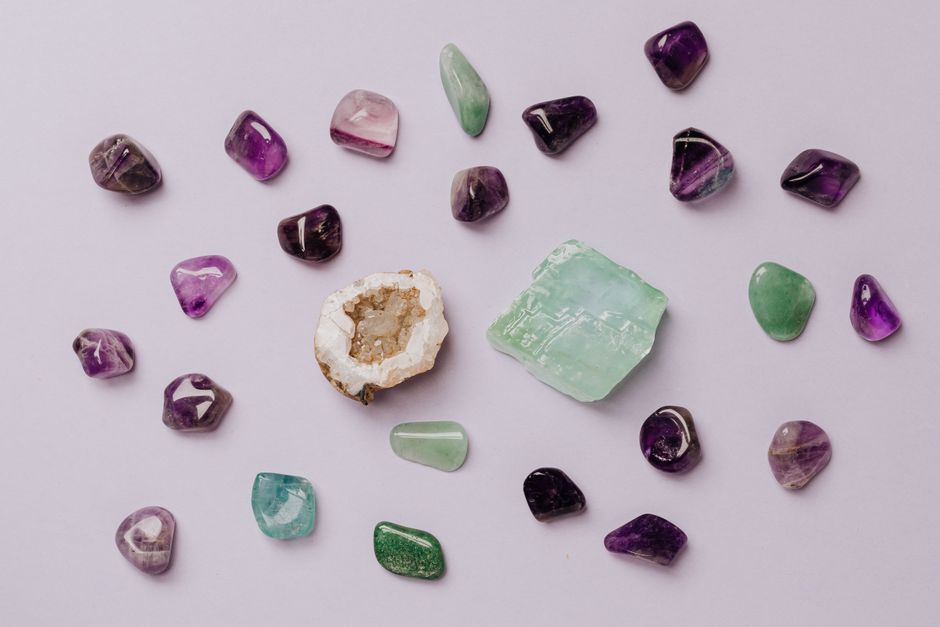
The gemstone market is a complex ecosystem that involves various stakeholders, from miners to retailers. The demand for ethically sourced and high-quality gemstones has increased significantly, leading to a surge in the number of gemstone suppliers. In 2022, the global gemstone market was valued at approximately $23 billion and is projected to grow at a CAGR of 5% over the next few years. This growth presents both opportunities and challenges for businesses looking to source gemstones.
One of the primary challenges in this market is ensuring the authenticity and quality of the gemstones. With the proliferation of synthetic stones and treatments, buyers must be vigilant. Establishing a relationship with a reputable gemstone supplier who can provide certification and transparency in the sourcing process is crucial.
Criteria for Selecting a Gemstone Supplier
When selecting a gemstone supplier, various factors come into play. Quality assurance is paramount; suppliers should provide detailed information regarding the origin, treatment, and quality of their gemstones. Additionally, consider the supplier’s reputation within the industry. Look for reviews and testimonials from other businesses to gauge their reliability.
Another essential factor is the range of products offered. A good supplier should provide a wide variety of gemstones, including rare and unique stones that can set your products apart in a competitive market. Furthermore, consider the supplier’s ability to meet your specific needs, such as custom cuts or unique colors.
Ethical Sourcing and Sustainability
In today’s market, ethical sourcing is more than just a trend; it is a necessity. Consumers are increasingly concerned about the origins of the gemstones they purchase. Suppliers who adhere to ethical practices not only enhance their brand image but also attract a customer base that values sustainability. This includes ensuring that gemstones are sourced from conflict-free zones and that miners are treated fairly.
Many suppliers now offer certification from recognized organizations that verify the ethical sourcing of their stones. This certification can be a powerful marketing tool, as it assures customers that their purchases support ethical practices.
The Future of Gemstone Sourcing
The future of gemstone sourcing is likely to be influenced by technological advancements and changing consumer preferences. The rise of online platforms has made it easier for suppliers to reach a broader audience, but it has also increased competition. Suppliers must adapt to these changes by embracing e-commerce and enhancing their online presence.
Additionally, innovations in gemstone treatments and synthetic alternatives are likely to shape the market. As technology continues to evolve, the lines between natural and synthetic may blur, prompting suppliers to educate their customers about the differences and advantages of each.
Conclusion
Sourcing gemstones requires a careful balance of quality, ethics, and market awareness. By understanding the intricacies of the gemstone market and selecting a reputable supplier, businesses can ensure that they meet consumer demands while maintaining high standards of integrity and quality. As the market continues to evolve, staying informed and adaptable will be key to success in the gemstone industry.