

In today’s world, plastic pollution has become one of the most pressing environmental issues. With millions of tons of plastic waste generated every year, the need for effective recycling solutions is more critical than ever. As a result, the role of a plastic recycling company has evolved significantly, adopting innovative technologies and practices to tackle this challenge. This article explores the current state of plastic recycling, the challenges faced by companies in the industry, and the innovative solutions that are paving the way for a more sustainable future.
The Importance of Plastic Recycling
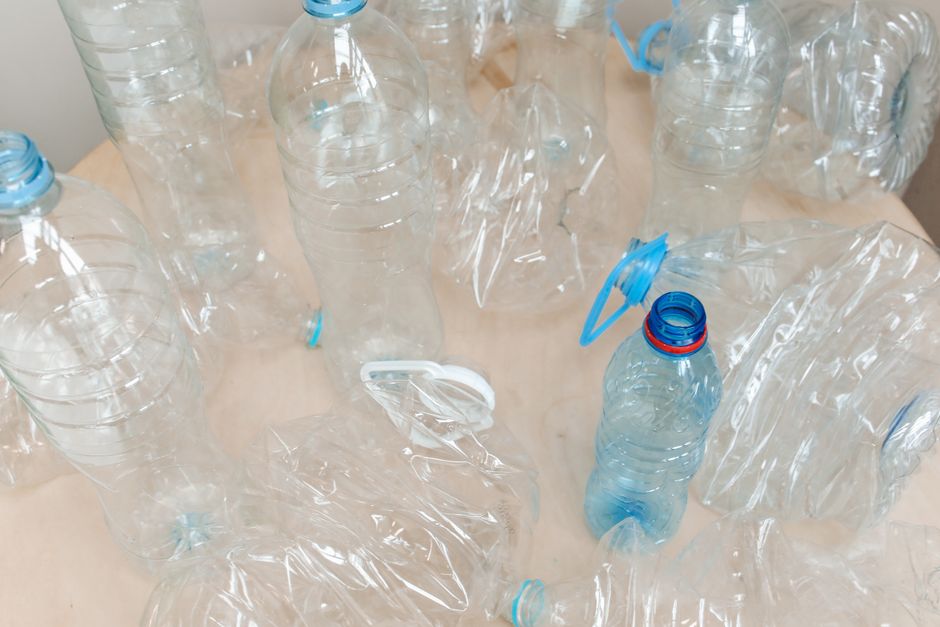
Plastic recycling is crucial for several reasons. Firstly, it helps reduce the amount of plastic waste that ends up in landfills and oceans. According to a report by the United Nations, approximately 300 million tons of plastic are produced globally each year, and about 8 million tons of this waste enter the oceans. This not only harms marine life but also affects human health through the food chain.
Secondly, recycling plastic conserves natural resources. Producing new plastic from raw materials requires significant energy and resources. By recycling, companies can save energy and reduce greenhouse gas emissions. For instance, it is estimated that recycling one ton of plastic can save up to 1,000 to 2,000 gallons of gasoline, highlighting the environmental benefits of a plastic recycling company.
Finally, plastic recycling creates jobs and stimulates economic growth. The recycling industry is a growing sector that provides employment opportunities in various fields, from collection to processing and manufacturing. As more companies invest in sustainable practices, the demand for skilled workers in recycling will continue to rise.
Current Challenges in Plastic Recycling
Despite its importance, the plastic recycling industry faces numerous challenges. One of the main issues is the contamination of recyclable materials. Many consumers are unaware of the correct way to recycle plastics, leading to contaminated batches that cannot be processed. According to the National Recycling Coalition, nearly 25% of recyclable plastic is contaminated, making it difficult for recycling facilities to operate efficiently.
Another challenge is the lack of infrastructure for recycling. In many areas, especially in developing countries, the facilities needed to process plastic waste are either underdeveloped or nonexistent. This results in a significant amount of recyclable materials being discarded rather than processed. For example, in many regions of Africa, only a small percentage of plastic waste is collected and recycled, leaving a massive gap in potential recycling opportunities.
Furthermore, the fluctuating market prices for recycled materials can deter investment in recycling facilities. When the price of virgin plastic drops, many companies find it more economically viable to produce new plastic rather than recycling existing materials. This creates a cycle that undermines the efforts of plastic recycling companies striving for sustainability.
Innovative Solutions in the Recycling Industry
To address these challenges, many plastic recycling companies are adopting innovative technologies and practices. One notable advancement is the development of advanced sorting technologies that can identify and separate different types of plastics more efficiently. These technologies use artificial intelligence and machine learning to improve the accuracy of sorting, reducing contamination rates and increasing the quality of recycled materials.
Moreover, chemical recycling is gaining traction as a promising solution. Unlike traditional mechanical recycling, which can degrade the quality of plastics, chemical recycling breaks down plastic into its fundamental components, allowing for the creation of new, high-quality plastics. This process can handle contaminated and mixed plastics that are typically difficult to recycle, thereby expanding the range of materials that can be processed.
Additionally, collaboration within the industry is becoming increasingly important. Many plastic recycling companies are forming partnerships with manufacturers to create closed-loop systems where recycled materials are used to produce new products. This not only helps ensure a steady supply of recycled materials but also encourages manufacturers to invest in sustainable practices.
The Role of Consumers in Plastic Recycling
While the efforts of plastic recycling companies are vital, consumers also play a crucial role in the recycling process. Educating the public on proper recycling practices can significantly reduce contamination rates. Many organizations are launching campaigns to raise awareness about the importance of recycling and how to do it correctly.
Moreover, consumers can support companies that prioritize sustainability by choosing products made from recycled materials. By creating demand for recycled products, consumers can help drive the market for recycling and encourage more companies to invest in sustainable practices.
Finally, reducing plastic consumption at the source is an essential step in the recycling process. By opting for reusable products and reducing single-use plastics, consumers can lessen the burden on recycling systems and contribute to a more sustainable future.
Conclusion
The future of plastic recycling is filled with both challenges and opportunities. As the world grapples with the implications of plastic waste, the role of a plastic recycling company is becoming increasingly vital. Through innovative technologies, collaboration, and consumer engagement, the industry can pave the way for a more sustainable future. By addressing the current challenges and embracing new solutions, we can work towards a world where plastic waste is effectively managed, and the environment is protected for future generations. For more information about effective recycling practices, you can visit a reputable plastic recycling company.