

In the competitive world of dining, the interior design of a restaurant can make a significant difference in attracting and retaining customers. A well-thought-out restaurant interior not only enhances the dining experience but also reflects the establishment’s brand and ethos. This article delves into the essential elements of restaurant interior design, exploring how various factors contribute to creating an inviting atmosphere.
Understanding the Importance of Restaurant Interior Design
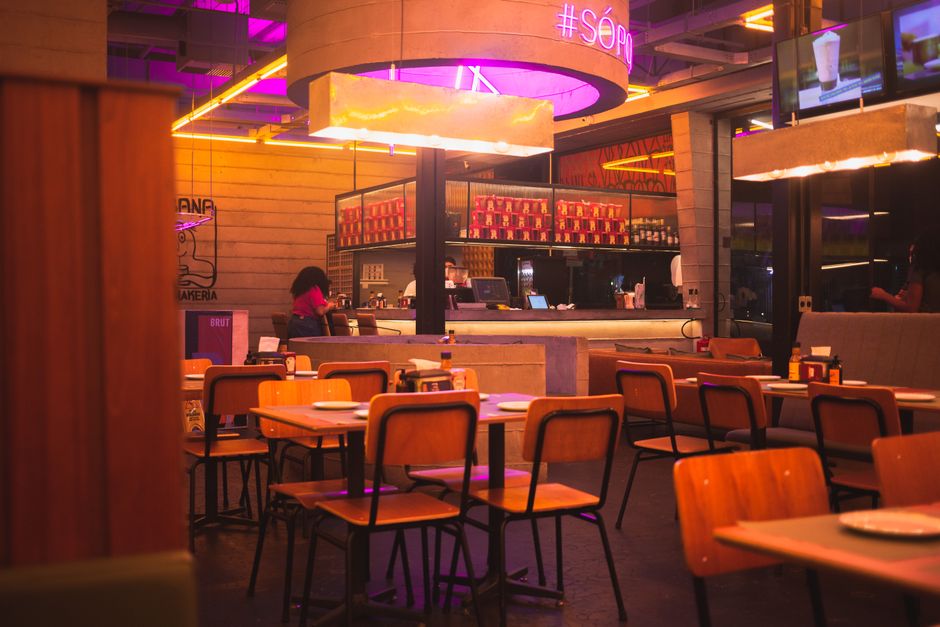
The interior design of a restaurant plays a pivotal role in shaping the overall dining experience. Studies show that the ambiance of a restaurant can influence customer satisfaction, leading to repeat business. Factors such as lighting, color schemes, furniture arrangement, and decor all contribute to the perception of the space. For example, a study by the Cornell University Hotel School found that restaurants with a well-designed ambiance saw an increase in customer spending by up to 30%.
Moreover, the interior design must align with the restaurant’s concept and target audience. A fine dining establishment may opt for luxurious materials and sophisticated decor, while a casual eatery might favor a more relaxed and playful environment. Understanding these nuances is crucial for creating a successful restaurant.
Key Elements of Effective Restaurant Interior Design
When planning a restaurant interior, several key elements should be considered:
1. Layout and Flow: The layout of a restaurant should facilitate smooth movement for both customers and staff. Proper zoning can help separate dining areas from service zones, reducing congestion and improving efficiency.
2. Lighting: Lighting sets the mood of a restaurant. Warm lighting can create a cozy atmosphere, while brighter lights may enhance the experience in a fast-casual setting. Incorporating natural light through windows or skylights can also add to the appeal.
3. Color Psychology: Colors evoke emotions and influence behavior. For instance, warm colors like red and orange can stimulate appetite, while blues and greens promote calmness. Choosing the right color palette is essential for a restaurant’s identity.
4. Furniture and Decor: The selection of furniture should reflect the restaurant’s theme and be comfortable for diners. Additionally, decor elements such as artwork, plants, and textures can enhance the aesthetic appeal.
Integrating these elements effectively can lead to a cohesive and inviting environment. For those seeking professional guidance, exploring resources on restaurant interior design can provide valuable insights.
Trends in Restaurant Interior Design
As consumer preferences evolve, so do the trends in restaurant interior design. Some current trends include:
1. Sustainable Design: Many restaurants are adopting eco-friendly materials and practices in their interiors. This not only appeals to environmentally conscious diners but can also reduce operational costs.
2. Open Spaces: The trend toward open layouts fosters a sense of community and engagement among patrons. Open kitchens and communal dining areas are becoming increasingly popular.
3. Vintage and Retro Styles: Nostalgic decor that evokes a sense of familiarity can create a welcoming atmosphere. Vintage furnishings and retro color schemes are being embraced by many new establishments.
Case Studies of Successful Restaurant Interiors
Analyzing successful restaurant interiors can provide inspiration and practical examples. For instance, the acclaimed restaurant Eleven Madison Park in New York City showcases a minimalist design that emphasizes elegance and sophistication. The use of natural materials and a neutral color palette creates a serene dining environment.
Another example is the fast-casual chain Sweetgreen, known for its vibrant and inviting spaces. They utilize bright colors, natural elements, and an open layout to enhance the customer experience, reinforcing their brand message centered around health and sustainability.
Conclusion: The Future of Restaurant Interior Design
As the dining landscape continues to evolve, the importance of interior design in restaurants will only grow. Establishments that prioritize thoughtful design will likely stand out in a crowded market. By understanding the integral components of restaurant interior design and staying attuned to emerging trends, restaurateurs can create spaces that attract customers and foster loyalty.