

In the world of architecture and design, the role of a commercial interior designer is pivotal in creating spaces that are both functional and inviting. These professionals are responsible for designing environments that cater to the specific needs of businesses, ensuring that the aesthetics and functionality work hand in hand. From offices to retail spaces, the influence of a well-planned interior can have a significant impact on employee productivity and customer satisfaction.
Understanding the Role of a Commercial Interior Designer
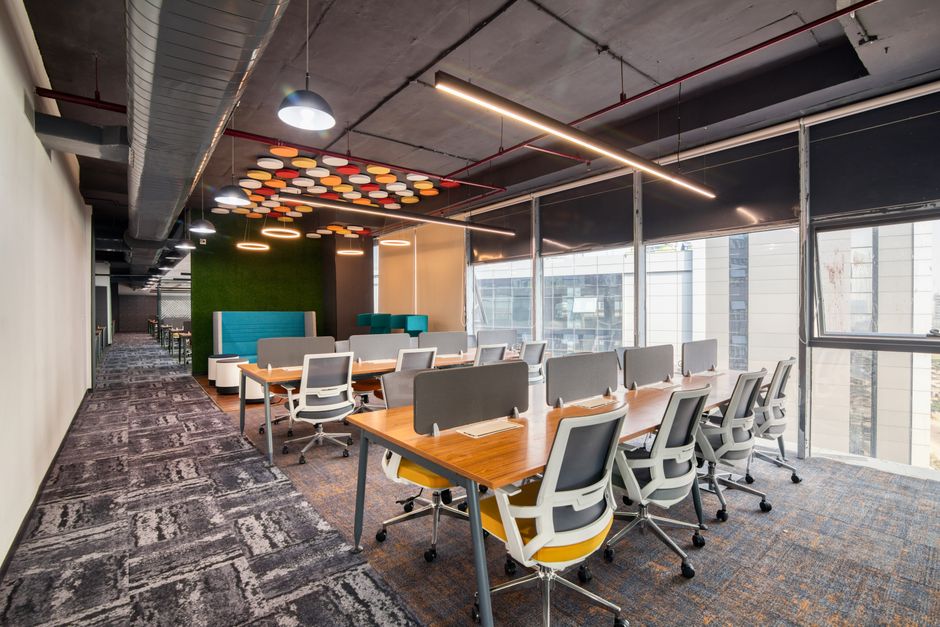
A commercial interior designer specializes in creating interior spaces that serve the purpose of businesses. This involves a deep understanding of the client’s brand, the functionality required for the space, and the latest design trends. Unlike residential designers, commercial designers focus on larger-scale projects that often require compliance with various regulations and codes.
These professionals conduct thorough assessments of the existing space, identifying opportunities for improvement. They work closely with architects and contractors, ensuring that the design aligns with the overall vision for the project. A vital aspect of their role is to balance aesthetics with practicality, creating a cohesive environment that enhances the overall experience.
Furthermore, they are adept at choosing materials and furnishings that not only meet the aesthetic goals but also withstand the wear and tear of commercial use. This could mean selecting high-durability carpets for a busy office or choosing lighting that highlights products effectively in a retail setting.
The Design Process: From Concept to Completion
The design process undertaken by a commercial interior designer typically involves several key stages. Initially, they conduct a needs assessment to understand the client’s vision and requirements. This phase includes detailed discussions about the brand’s identity, target audience, and the specific functions the space must serve.
Once the requirements are established, the designer creates conceptual designs, which may include sketches, mood boards, and 3D renderings. These visual tools help clients visualize the proposed changes and provide a platform for feedback. After refining the designs based on client input, the designer moves on to the selection of materials, furnishings, and finishes.
After final approvals, the designer coordinates with contractors and suppliers during the implementation phase. They oversee the project to ensure that the design is executed as planned, addressing any issues that arise to maintain the project schedule and budget. This attention to detail is what ensures a successful transformation from concept to reality.
Trends Shaping Commercial Interior Design
As the landscape of business evolves, so too do the trends in commercial interior design. One of the most significant trends is the focus on sustainability. Businesses are increasingly seeking to create eco-friendly environments that minimize their carbon footprint. This includes the use of sustainable materials, energy-efficient lighting, and designs that maximize natural light.
Another trend is the emphasis on employee wellbeing. Workspaces are being designed to promote health and wellness, incorporating elements such as biophilic design, which connects occupants with nature. This can involve the use of natural materials, indoor plants, and spaces for relaxation and social interaction.
Technology integration is also a key trend, with designers creating adaptable spaces that can accommodate the latest technological advancements. This includes smart meeting rooms equipped with video conferencing tools and flexible workspaces that can be easily reconfigured for collaboration.
Case Studies: Successful Commercial Interior Design Projects
To illustrate the impact of effective commercial interior design, consider the recent redesign of a corporate office for a tech company. The objective was to create a collaborative environment that fostered innovation. The designer implemented open office layouts with breakout areas for informal meetings and relaxation. The result was a 20% increase in employee satisfaction and productivity, as reported in their internal surveys.
Another example is a retail space that underwent a comprehensive redesign to enhance the customer experience. The designer utilized strategic lighting and product displays to draw attention to key items, resulting in a 30% increase in sales within the first quarter of the redesign. These case studies highlight the tangible benefits of investing in professional design services.
Choosing the Right Commercial Interior Designer
When selecting a commercial interior designer, businesses should consider several factors to ensure a successful partnership. First, look for a designer with a robust portfolio that reflects their style and expertise. Reviews and testimonials from previous clients can also provide valuable insight into their working style and reliability.
It’s essential to choose a designer who understands the specific needs of your industry. For instance, a designer experienced in retail may have different insights compared to one who specializes in office spaces. Communication is key; ensure that the designer is open to feedback and willing to collaborate closely throughout the project.
Finally, consider their approach to project management. A good commercial interior designer will not only have a creative vision but also the organizational skills to manage timelines and budgets effectively. This balance of creativity and practicality is crucial for a successful project.
Conclusion
The role of a commercial interior designer is indispensable in crafting spaces that not only meet the functional needs of businesses but also enhance their brand identity and employee satisfaction. As trends continue to evolve, these professionals are at the forefront of integrating innovative solutions that shape the future of commercial environments. Investing in a skilled commercial interior designer can lead to significant improvements in both aesthetics and functionality, ultimately benefiting the bottom line of any business.
For businesses looking to elevate their spaces, collaborating with a commercial interior designer can provide the expertise needed to create an impactful environment that resonates with employees and customers alike.