

Commercial real estate (CRE) represents a significant sector within the global economy, influencing everything from business operations to urban development. As cities continue to expand and evolve, understanding the intricacies of commercial real estate becomes crucial for investors, businesses, and policymakers alike. This article delves into the current trends, challenges, and opportunities within the commercial real estate landscape.
What is Commercial Real Estate?
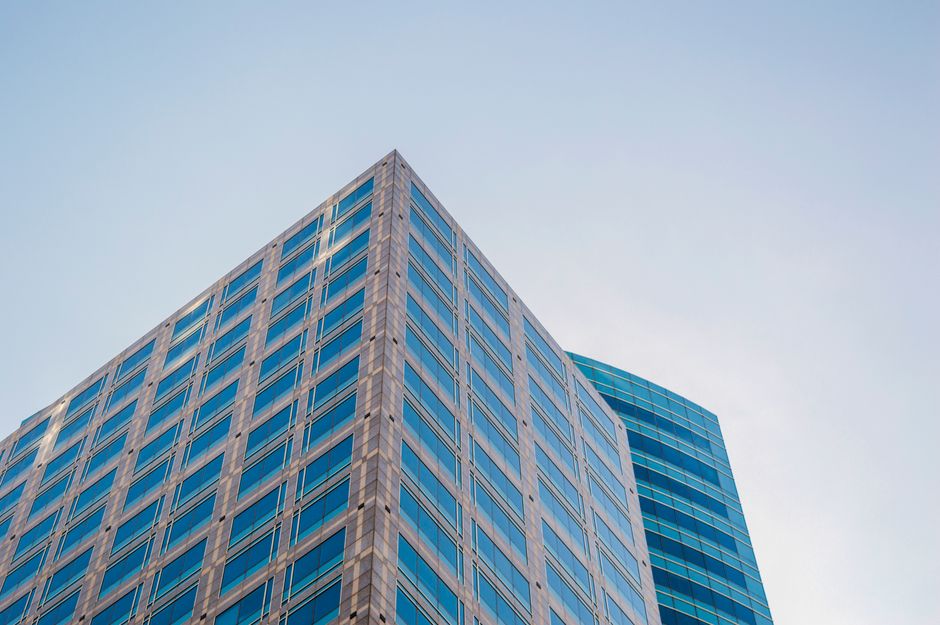
Commercial real estate encompasses properties that are used exclusively for business purposes. These can include office buildings, retail spaces, warehouses, and industrial properties. Unlike residential real estate, which focuses on housing, commercial properties are designed to generate a profit through rental income or capital appreciation.
According to a report by the National Association of Realtors, the commercial real estate sector has shown steady growth over the past decade, driven by a robust economy and increased demand for business spaces. With the rise of e-commerce, there has been a notable shift in the types of commercial properties that are in demand, particularly in logistics and warehousing.
Understanding the different types of commercial real estate is essential for anyone looking to invest or engage in this market. Each category comes with its unique characteristics, investment potential, and risks, making it vital for stakeholders to conduct thorough due diligence.
Current Trends in Commercial Real Estate
The commercial real estate market is currently witnessing several transformative trends. One of the most significant trends is the rise of flexible workspaces. As companies adopt hybrid working models, the demand for traditional office spaces has shifted. Co-working spaces and flexible office solutions are becoming increasingly popular as businesses seek to reduce overhead costs while maintaining the ability to scale.
Additionally, sustainability has become a crucial factor in commercial real estate. Investors are increasingly focusing on properties that meet green building standards, as businesses and consumers alike prioritize sustainability. According to a study by JLL, properties with sustainable certifications tend to have higher occupancy rates and increased rental income.
Technology is also playing a pivotal role in reshaping the commercial real estate landscape. From virtual property tours to property management software, technology is streamlining operations and enhancing the customer experience. The integration of smart building technologies is enabling property owners to reduce operational costs while improving tenant satisfaction.
Challenges Facing Commercial Real Estate
Despite its growth, the commercial real estate sector faces several challenges. One of the primary issues is the impact of economic fluctuations. Economic downturns can lead to increased vacancy rates and decreased rental income, posing significant risks for investors. The COVID-19 pandemic served as a stark reminder of how quickly market conditions can change, prompting many to reevaluate their investment strategies.
Another challenge is navigating the regulatory landscape. Zoning laws, environmental regulations, and building codes can vary significantly from one jurisdiction to another, complicating the development process. Investors must stay informed about local regulations to avoid potential legal issues and costly delays.
Additionally, the rapid pace of technological advancement presents both opportunities and challenges. While technology can enhance property management and tenant experiences, it also requires significant investment and adaptation from traditional real estate operators.
Opportunities in Commercial Real Estate
Despite the challenges, the commercial real estate sector presents numerous opportunities for savvy investors. The rise of e-commerce has fueled demand for logistics and distribution centers, creating a lucrative niche within the market. Investors can capitalize on this trend by focusing on properties that cater to the growing need for efficient supply chains.
Moreover, urbanization continues to drive demand for mixed-use developments that combine residential, commercial, and recreational spaces. These projects offer the potential for higher returns as they attract diverse tenant bases and address the needs of modern urban living.
Investors should also consider the opportunities presented by adaptive reuse projects, which involve repurposing existing buildings for new uses. This approach not only preserves historical architecture but also meets the demand for new spaces in urban areas.
Conclusion
In conclusion, commercial real estate remains a dynamic and evolving sector with significant potential for growth. By understanding the current trends, challenges, and opportunities, investors and stakeholders can make informed decisions that capitalize on the changing landscape. For those looking to explore the commercial real estate market, resources and listings can be found at commercial real estate platforms, which provide valuable insights into available properties and market conditions.