

Child therapy is a vital aspect of mental health care that focuses on the emotional and psychological needs of children. As children navigate through various stages of development, they often encounter challenges that can affect their mental well-being. Therapy provides a safe space for children to express their feelings, understand their emotions, and develop coping strategies. This article delves into the significance of child therapy, its various forms, and how it can positively impact a child’s life.
The Need for Child Therapy
In today’s fast-paced world, children face pressures from multiple fronts—academic demands, social interactions, and family dynamics. Each of these elements can contribute to anxiety, depression, and behavioral issues. According to the National Institute of Mental Health, approximately 1 in 6 children aged 2 to 8 years has a diagnosed mental, behavioral, or developmental disorder. This alarming statistic underscores the necessity for accessible and effective therapeutic interventions.
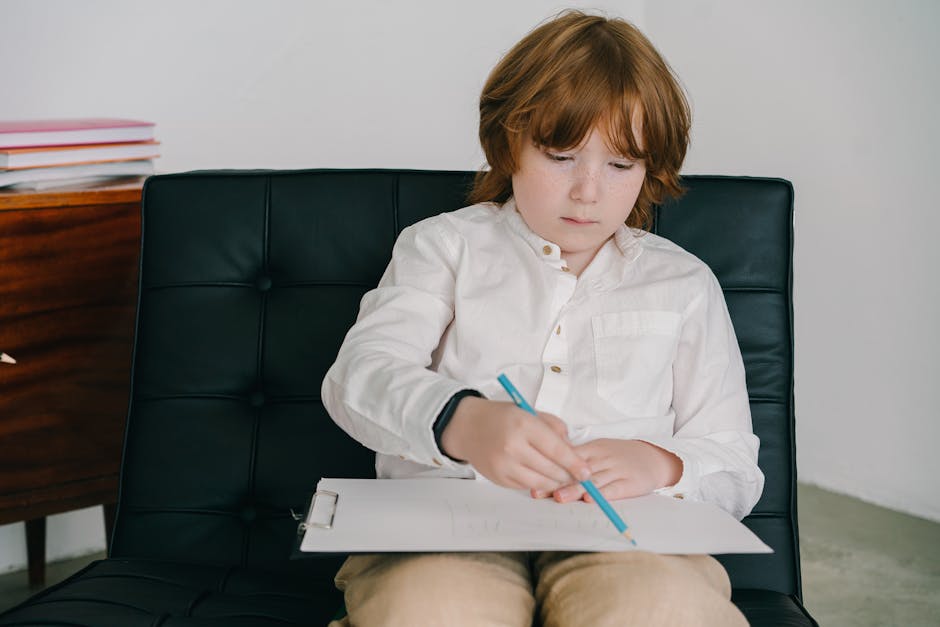
Child therapy offers a tailored approach to address the unique challenges that children face. Unlike adults, children often lack the verbal skills to articulate their feelings, making therapy especially crucial. Therapists trained in child psychology use various methods, including play therapy and art therapy, to help children communicate and process their emotions effectively.
For example, a child experiencing bullying may struggle to express their feelings verbally. Through play therapy, they can reenact scenarios, allowing the therapist to gain insights into the child’s emotions and provide appropriate support. This method not only helps in understanding the child’s perspective but also empowers them to develop resilience against such challenges.
Different Approaches to Child Therapy
Child therapy encompasses various therapeutic modalities, each with its strengths. Some of the most common approaches include cognitive-behavioral therapy (CBT), play therapy, and family therapy.
Cognitive-behavioral therapy (CBT) is widely used to treat anxiety and depression in children. It focuses on identifying negative thought patterns and replacing them with constructive ones. Research indicates that CBT can be effective in reducing symptoms of anxiety in children, with studies showing a significant improvement in those who participated in CBT programs.
Play therapy, on the other hand, allows children to express themselves through play, which is their natural form of communication. This approach is particularly beneficial for younger children who may not yet have the verbal skills to articulate their feelings. By engaging in play, children can express their thoughts and emotions in a non-threatening environment, allowing therapists to address underlying issues.
Family therapy also plays a crucial role in child therapy. It involves working with the entire family unit to address dynamics that may be contributing to a child’s challenges. By fostering communication and understanding among family members, therapists can help resolve conflicts and improve relationships, ultimately benefiting the child’s emotional health.
The Role of Parents in Child Therapy
Parents play a fundamental role in the success of child therapy. Their involvement can significantly enhance the therapeutic process. It is essential for parents to be supportive and engaged in their child’s therapy journey. This might include attending sessions, participating in family therapy, or implementing strategies discussed in therapy at home.
Understanding the therapeutic process is crucial for parents. They should be aware of the goals of therapy and how they can contribute to their child’s progress. Open communication between parents and therapists can lead to a more comprehensive understanding of the child’s needs and how best to support them.
Moreover, parents should also take care of their emotional well-being. When parents are in a stable mental state, they are better equipped to support their children. This holistic approach not only benefits the child but also strengthens the entire family unit.
Recognizing Signs That a Child Needs Therapy
Identifying when a child may need therapy can be challenging, as children often express their struggles differently than adults. However, there are several warning signs that parents and caregivers should be aware of. Changes in behavior, such as increased irritability, withdrawal from social activities, or drastic changes in eating and sleeping patterns, can indicate that a child is struggling emotionally.
Additionally, academic declines or difficulties in school can also signal the need for professional help. If a child is experiencing persistent sadness, anxiety, or anger, it may be time to consult with a mental health professional. Early intervention is key, as addressing these issues promptly can lead to better outcomes for the child.
For parents unsure about the process, seeking advice from a school counselor or pediatrician can provide guidance on the next steps. These professionals can help assess the child’s needs and recommend appropriate therapeutic options.
Conclusion
Child therapy is an invaluable resource for promoting emotional well-being and resilience in children. By addressing their unique challenges through various therapeutic approaches, children can learn to cope with their emotions and develop healthier relationships. The involvement of parents is crucial in this process, as it fosters a supportive environment for the child’s growth. Recognizing the signs that a child may need therapy is the first step toward ensuring they receive the help they deserve. Investing in a child’s mental health today lays the foundation for a brighter tomorrow.
For those interested in understanding specific therapeutic methods like behavioral therapy, resources can be found that explain What is ABA therapy in detail, helping parents make informed decisions about their child’s mental health care.