

In recent years, hair transplantation has emerged as a highly sought-after cosmetic procedure, providing a reliable solution for those facing hair loss. With advancements in technology and techniques, more individuals are turning to hair transplants to restore their confidence and youthful appearance. This article delves into the intricacies of hair transplantation, covering its benefits, procedures, and what one should consider before undergoing the treatment.
Understanding Hair Transplantation
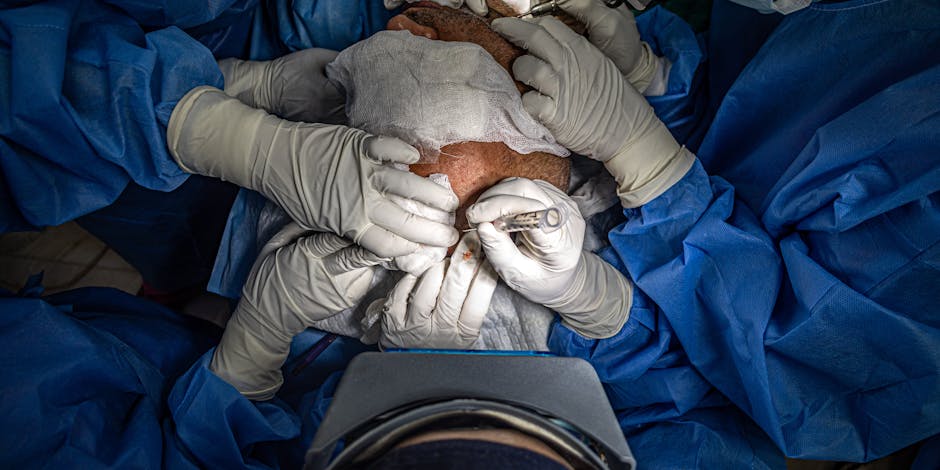
Hair transplantation is a surgical procedure that involves moving hair follicles from a donor site, typically the back or sides of the scalp, to areas experiencing hair thinning or baldness. The technique has evolved significantly since its inception, leading to improved outcomes and patient satisfaction. Among the most popular methods today are Follicular Unit Extraction (FUE) and Follicular Unit Transplantation (FUT).
FUE involves extracting individual hair follicles directly from the scalp, which leaves minimal scarring and allows for a quicker recovery. On the other hand, FUT involves removing a strip of skin from the donor area, from which hair follicles are then harvested. Each method has its pros and cons, and the choice often depends on the patient’s specific needs and the surgeon’s recommendation.
As more people seek solutions for hair loss, the demand for hair transplantation continues to rise. According to the International Society of Hair Restoration Surgery, the number of hair restoration procedures performed globally increased by 60% from 2012 to 2018, indicating a growing awareness and acceptance of this treatment.
The Benefits of Hair Transplants
One of the primary advantages of hair transplantation is its permanency. Unlike temporary solutions such as wigs or hairpieces, hair transplants offer a long-lasting solution as the transplanted hair follicles are typically resistant to balding. This means that patients can enjoy a full head of hair for many years after the procedure.
Moreover, hair transplants can significantly enhance a person’s appearance and self-esteem. Many patients report feeling more confident and satisfied with their looks post-procedure. This psychological boost can have positive implications for both personal and professional aspects of life.
Additionally, the advancements in hair transplant techniques have made the process less invasive, with reduced recovery times. Patients can often return to their normal activities within a few days, making it a convenient option for those with busy lifestyles.
What to Consider Before a Hair Transplant
While hair transplantation has many benefits, it is essential for potential patients to consider several factors before proceeding. First and foremost, it is crucial to have realistic expectations about the results. Not every individual will achieve the same level of density, and results can vary based on hair type, the extent of hair loss, and the skill of the surgeon.
Choosing the right surgeon is another critical aspect. It is advisable to conduct thorough research, checking the surgeon’s credentials, experience, and patient reviews. Furthermore, consulting with multiple specialists can help patients make an informed decision.
Additionally, discussing costs upfront is vital, as hair transplant procedures can be a significant financial investment. While prices vary widely based on location and technique, patients should be wary of deals that seem too good to be true, as they may compromise the quality of care.
Recovery and Aftercare
Post-operative care is a crucial component of the hair transplant journey. Following the procedure, patients will receive specific instructions on how to care for their scalp and transplanted hair. This may include avoiding strenuous activities, protecting the scalp from sun exposure, and using prescribed medications to prevent infection and promote healing.
Most patients will start to see hair growth within a few months, with full results typically visible after 6 to 12 months. Patience is key, as the hair growth process can be gradual, and it is essential to follow the aftercare instructions for optimal results.
One emerging trend in hair restoration is traveling abroad for treatment, where patients can find high-quality procedures at a fraction of the cost. For those considering this option, destinations like Turkey have become popular due to their advanced clinics and skilled surgeons. For instance, many patients opt for a hair transplant istanbul to take advantage of the competitive pricing and excellent medical care available.
Conclusion
Hair transplantation is a viable solution for those struggling with hair loss, offering a permanent and natural-looking result. With the right information and careful consideration of the factors involved, individuals can make informed decisions about their hair restoration journey. As techniques continue to evolve and more clinics emerge, it is essential for prospective patients to stay educated and choose the best path for their unique needs.