

In today’s fast-paced business environment, distributors play a crucial role in the supply chain, acting as the vital link between manufacturers and consumers. They streamline the process of getting products from the production line to the end-user, ensuring efficiency and consistency. This article delves into the multifaceted responsibilities of distributors, their impact on market dynamics, and the trends shaping their future.
Understanding the Distributor’s Role
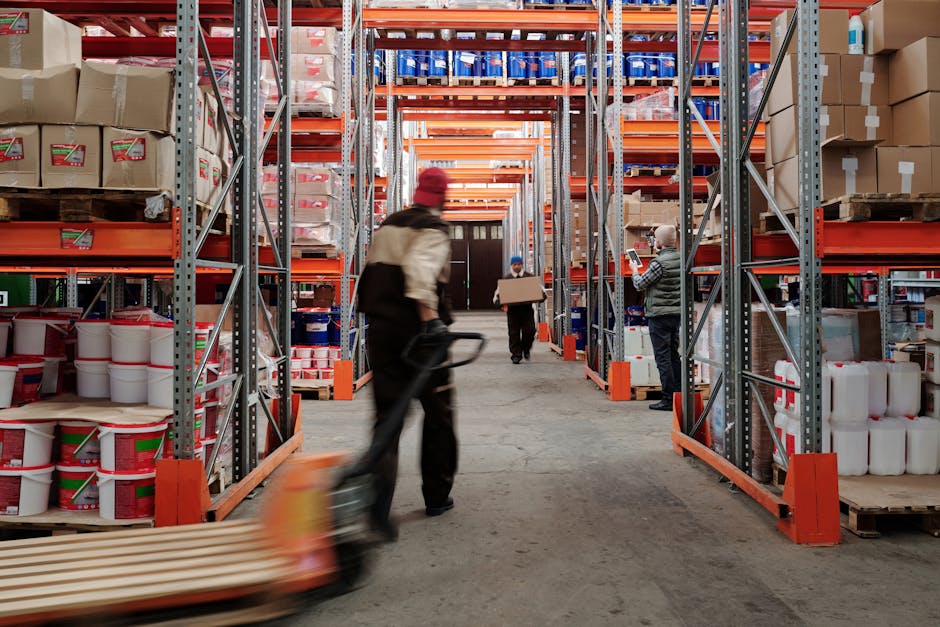
Distributors are intermediaries who purchase products in bulk from manufacturers and sell them to retailers or directly to consumers. By managing inventory and logistics, they alleviate the burden on manufacturers, allowing them to focus on production. Distributors often provide additional services such as marketing, warehousing, and customer support, enhancing the overall efficiency of the supply chain.
One significant advantage of using distributors is their extensive market knowledge. They understand local markets and consumer preferences, which allows them to tailor their offerings accordingly. For instance, a distributor may choose to promote certain products in specific regions where demand is higher. This localized approach can significantly boost sales and enhance customer satisfaction.
Furthermore, distributors help manufacturers expand their reach without the need for significant investment in retail infrastructure. By leveraging existing relationships and networks, they can introduce new products to diverse markets quickly and effectively.
The Financial Benefits of Distributors
Engaging with distributors can lead to substantial cost savings for manufacturers. By utilizing a distributor’s established logistics network, companies can reduce shipping costs and minimize storage expenses. Distributors often have negotiated rates with transportation providers, which can result in lower overall transportation costs.
Additionally, distributors can help manufacturers mitigate financial risks associated with unsold inventory. By assuming responsibility for stock management, they can adjust orders based on market demand, reducing the likelihood of excess inventory that may lead to losses.
Statistics show that companies using distributors experience an average revenue growth of 10-15% compared to those that sell directly to consumers. This growth can be attributed to the increased market penetration and enhanced customer service that distributors provide.
Technology and the Future of Distribution
As technology continues to evolve, so does the role of distributors. The rise of e-commerce has transformed traditional distribution models, with many distributors now operating online platforms to reach a broader audience. This shift allows them to provide real-time inventory updates, streamline order processing, and enhance customer engagement.
Moreover, advancements in data analytics enable distributors to gain deeper insights into consumer behavior and market trends. By leveraging this data, they can make informed decisions regarding inventory management and product promotion. For example, a distributor might analyze purchasing patterns to forecast demand for specific products, leading to more efficient stock management.
In addition to e-commerce, innovations such as automation and artificial intelligence are reshaping distribution operations. Automated warehouses and AI-driven inventory systems can increase efficiency and reduce human error, further solidifying the distributor’s role as a key player in the supply chain.
Challenges Facing Distributors
Despite their importance, distributors face several challenges in today’s market. One significant issue is the increasing pressure from manufacturers to reduce costs. As companies seek to maximize profits, they may push for lower margins, which can strain distributor relationships.
Additionally, the rise of direct-to-consumer models poses a threat to traditional distribution channels. Many manufacturers are opting to sell directly to consumers, bypassing distributors altogether. This trend can lead to decreased sales for distributors who rely heavily on these partnerships.
Moreover, global supply chain disruptions, such as those seen during the COVID-19 pandemic, have highlighted the vulnerabilities in distribution networks. Distributors must adapt quickly to changing circumstances and develop contingency plans to mitigate risks associated with delays and shortages.
Conclusion
Distributors are an indispensable part of the modern supply chain, providing essential services that enhance efficiency and market reach. Their ability to navigate challenges and embrace technological advancements will determine their future success. As businesses continue to evolve, the role of distributors will likely expand, making them even more critical in ensuring that products reach consumers efficiently. For those looking to enhance their distribution strategies, exploring innovative solutions, such as BPC157+TB500, can provide valuable insights into optimizing supply chain operations.