

In recent years, LED technology has transformed the way we think about lighting. From homes to commercial spaces, the adoption of LED lights has brought about significant changes in energy efficiency, longevity, and overall aesthetic appeal. This article explores the myriad benefits of LED lighting, its applications, and the future trends that are set to shape the industry.
Understanding LED Technology
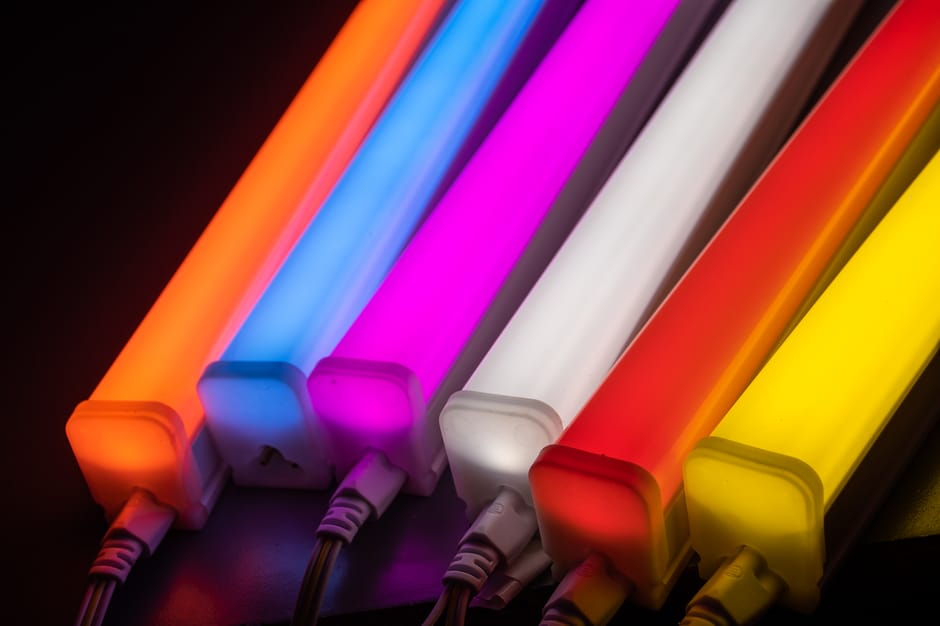
Light Emitting Diodes (LEDs) are semiconductor devices that emit light when an electric current passes through them. Unlike traditional incandescent bulbs, which convert a significant amount of energy into heat, LEDs are much more efficient, converting about 80-90% of energy into light. This efficiency not only reduces electricity costs but also decreases the need for frequent bulb replacements.
One of the standout features of LEDs is their versatility. They come in various colors and can be used in a wide array of applications, from ambient lighting in homes to high-intensity lights for industrial settings. The growing popularity of smart home technology has further enhanced the appeal of LEDs, allowing users to control lighting remotely and customize their environments.
Energy Efficiency and Environmental Impact
LEDs are known for their energy-saving capabilities. According to the U.S. Department of Energy, replacing a traditional incandescent bulb with an LED can save up to 80% on energy costs. This is particularly significant in commercial settings where lighting accounts for a large portion of energy consumption. Businesses that switch to LED lighting not only save money but also contribute to environmental sustainability by reducing carbon footprints.
Moreover, LEDs have a longer lifespan compared to traditional bulbs. While incandescent bulbs typically last for about 1,000 hours, LEDs can last up to 25,000 hours or more. This longevity reduces waste and the frequency of replacements, further benefiting the environment.
Innovative Applications of LEDs
The versatility of LEDs has led to innovative applications across various industries. In healthcare, for instance, LED lights are used in surgical lighting and medical imaging due to their brightness and clarity. In agriculture, LED grow lights are revolutionizing indoor farming by providing the necessary light spectrum for plant growth while minimizing energy use.
In the entertainment industry, LEDs have transformed stage lighting and set designs. Their ability to produce vibrant colors and dynamic lighting effects has made them a staple in concerts and theatrical performances. Additionally, decorative lighting solutions such as LED strip lights have gained popularity in residential spaces, enhancing the ambiance of homes.
For those looking to add a splash of color to their environments, products like benzi LED RGB offer customizable lighting options that change based on user preferences. This flexibility allows for greater creativity in both personal and professional settings.
The Future of LED Technology
As technology continues to advance, the future of LED lighting looks promising. Research is ongoing to improve the efficiency, brightness, and color accuracy of LEDs. One exciting development is the integration of OLED (Organic LED) technology, which promises even thinner, flexible lighting solutions.
Furthermore, the rise of smart cities is driving the demand for advanced LED lighting systems that can be integrated with IoT (Internet of Things) technology. These systems can monitor energy use and adjust lighting based on real-time data, enhancing both efficiency and user experience.
Conclusion
LED technology has indeed revolutionized the lighting industry, offering unparalleled energy efficiency, longevity, and versatility. As we move towards a more sustainable future, the adoption of LED lights will continue to grow. By understanding the benefits and applications of LED technology, individuals and businesses can make informed decisions that not only enhance their environments but also contribute to global sustainability efforts.