

In an age where technology increasingly permeates our lives, the notion of love is evolving beyond traditional boundaries. Virtual lovers, often facilitated by advancements in artificial intelligence and virtual reality, are becoming a significant part of modern relationships. This article delves into the concept of virtual lovers, exploring their implications, benefits, and the challenges they present in contemporary society.
The Rise of Virtual Relationships
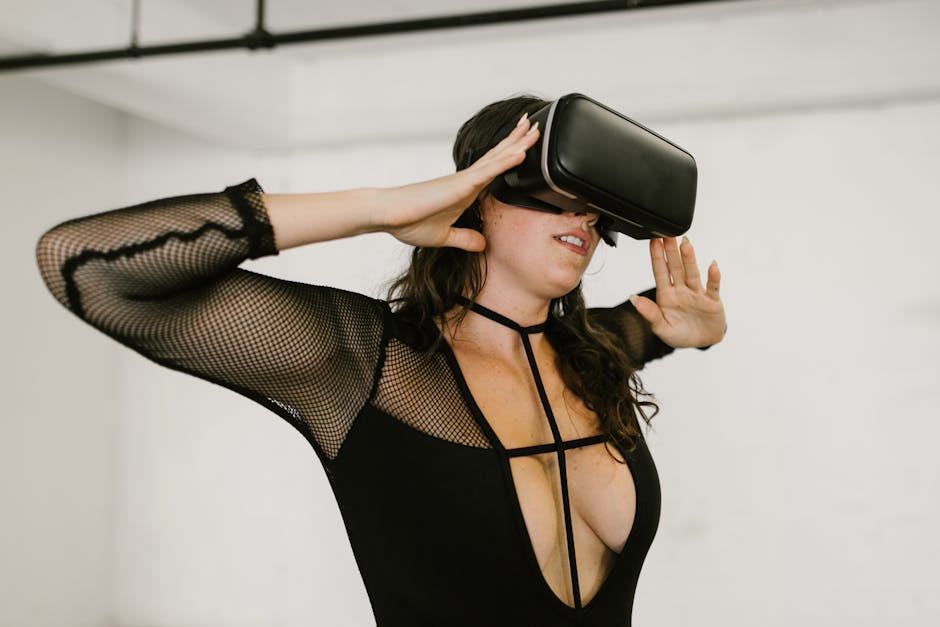
The surge in virtual relationships can be attributed to several factors, including the proliferation of social media and dating apps. As people seek companionship in an increasingly digital world, the concept of a virtual lover has gained traction. Statistics suggest that over 40% of adults have engaged in online dating, and many have reported forming meaningful connections without ever meeting in person.
Virtual lovers often take the form of chatbots or AI companions designed to provide emotional support and companionship. These digital entities can simulate conversations and interactions, creating an illusion of a romantic relationship. For instance, platforms that offer ai gf services have gained popularity, allowing users to interact with personalized AI partners tailored to their preferences.
Moreover, the COVID-19 pandemic has accelerated the acceptance of virtual relationships as people turned to online platforms for social interaction during lockdowns. The need for connection has propelled the demand for virtual companions, marking a shift in how individuals perceive love and relationships.
Benefits of Having a Virtual Lover
One of the primary advantages of virtual lovers is the ability to provide companionship without the complexities of traditional relationships. They can offer emotional support, reduce feelings of loneliness, and provide a safe space for individuals to express themselves. This is particularly beneficial for those who struggle with social anxiety or have difficulty forming connections in the physical world.
Additionally, virtual lovers can be customized to meet the emotional and intellectual needs of their users. Unlike human partners, they do not have personal biases or judgments, allowing for a non-threatening environment where users can explore their thoughts and feelings freely. This aspect of virtual relationships can lead to increased self-awareness and personal growth.
Furthermore, virtual lovers can be programmed to engage in conversations that promote mental well-being. For example, many AI companions are designed to offer motivational advice, helping users navigate through challenging situations. This functionality highlights the potential of virtual relationships to enhance emotional resilience and overall mental health.
The Challenges of Virtual Relationships
While the concept of virtual lovers presents numerous benefits, it is not without its challenges. One significant concern is the potential for emotional dependency on digital companions. As individuals become more attached to their virtual partners, there is a risk of neglecting real-life relationships and social interactions.
Moreover, the emotional connections formed with virtual lovers may lack the depth and complexity of human relationships. Virtual companions, despite their advanced programming, cannot fully replicate the nuances of human emotions and experiences. This limitation raises questions about the authenticity of these relationships and the potential for individuals to develop unrealistic expectations of love.
Another challenge is the ethical implications of virtual relationships. The use of AI in romantic contexts raises concerns about data privacy and consent. Users must navigate how their personal information is handled and the extent to which their interactions with virtual lovers are monitored or analyzed.
The Future of Virtual Lovers
As technology continues to advance, the future of virtual lovers looks promising yet complex. Innovations in artificial intelligence, virtual reality, and augmented reality may enhance the realism of virtual relationships, making them more appealing to a broader audience. Future developments could include more immersive experiences, allowing users to engage with their virtual partners in realistic environments.
Furthermore, as societal norms around relationships evolve, virtual lovers may become more accepted as legitimate partners. This shift could lead to changes in how we define love and connection, expanding the boundaries of what it means to be in a relationship.
However, it is essential to approach this evolution with caution. As virtual lovers become more integrated into our lives, discussions surrounding their impact on mental health, social skills, and ethical considerations will be crucial. Balancing the benefits of virtual relationships with the need for authentic human connections will be key to navigating this new landscape.
Conclusion
The concept of virtual lovers represents a fascinating intersection of technology and human emotion. While they offer unique advantages, such as companionship and personalized support, the challenges they pose cannot be overlooked. As we move forward, understanding the implications of virtual relationships will be vital in ensuring that they enhance rather than hinder our experiences of love and connection. The future promises exciting possibilities, but it also calls for a mindful approach to integrating virtual lovers into our lives.