

The aviation industry is one of the most complex and highly regulated sectors in the world. As aircraft operations increase and evolve, so does the necessity for robust insurance policies tailored specifically for aviation. Aviation insurance protects not only the aircraft itself but also covers liabilities that can arise from operations. Understanding the ins and outs of this specialized insurance is crucial for anyone involved in aviation, from commercial operators to private pilots.
Understanding Aviation Insurance
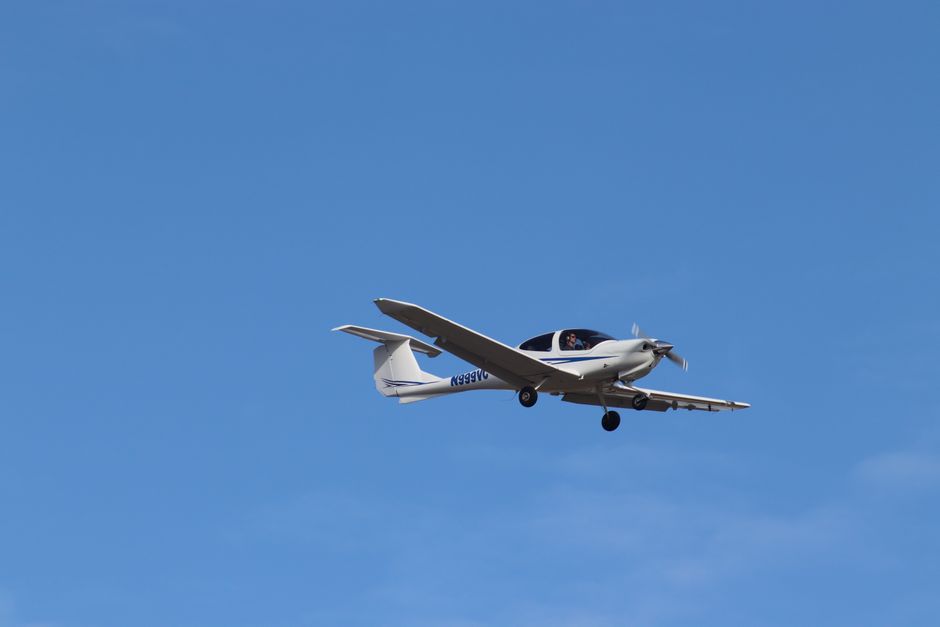
Aviation insurance is a specialized form of insurance designed to cover various risks associated with flying. Unlike standard vehicle insurance, aviation insurance policies are tailored to the unique aspects of aviation, including the type of aircraft, its use, and the operational environment.
There are generally two main types of aviation insurance: hull insurance and liability insurance. Hull insurance covers physical damage to the aircraft itself, while liability insurance covers damages to third parties, including passengers, property, and other aircraft. These two components work together to provide comprehensive coverage for aviation operations.
Moreover, aviation insurance policies can be further categorized into commercial and private policies. Commercial policies are designed for entities that operate aircraft for business purposes, whereas private policies cater to individual pilots who own and operate their aircraft for personal use. The coverage needs of these two categories differ significantly, necessitating tailored policies.
The Importance of Liability Coverage
Liability coverage is one of the most critical components of aviation insurance. This coverage protects the insured from legal claims arising from accidents or incidents that may cause injury or property damage to third parties. For instance, if an aircraft were to crash into a building, the liability coverage would help pay for damages incurred as a result.
Statistically, the aviation industry sees thousands of flights daily, and the potential for incidents, while relatively low, still exists. According to the International Air Transport Association (IATA), there were approximately 39 million flights globally in 2019, demonstrating the scale of operations and the critical need for comprehensive liability coverage.
Additionally, the cost of legal claims in aviation can be astronomical, underscoring the need for adequate liability limits. For example, a single incident could result in claims that exceed millions of dollars, making liability coverage not just a recommendation but a necessity for operators.
Factors Influencing Insurance Premiums
Several factors influence the cost of aviation insurance premiums. These include the type of aircraft, its age, the pilot’s experience, and the operational use of the aircraft. For example, a commercial airline will typically pay higher premiums than a private pilot flying a small recreational aircraft.
Furthermore, the geographic location of operations can also play a significant role in determining premiums. Regions known for high accident rates or specific regulatory environments may lead to higher insurance costs. For example, operators flying in conflict zones or areas with adverse weather patterns may face steeper premiums.
Insurance companies will also consider the safety record of the operator when assessing risk. Operators with a solid safety history may find themselves eligible for discounts on premiums, while those with a history of incidents may face increased costs.
Choosing the Right Insurance Provider
Finding the right aviation insurance provider is crucial for ensuring adequate coverage. Operators should begin by assessing their specific needs and risks to determine which type of coverage is necessary. This involves evaluating the type of aircraft, the intended use, and any regulatory requirements.
After identifying needs, it is advisable to compare multiple insurance providers to find the best coverage options and rates. Operators should look for insurers with a strong track record in aviation insurance, as this indicates expertise in handling claims and understanding the unique risks of the aviation industry.
Lastly, consulting with insurance brokers who specialize in aviation can provide invaluable insights. Brokers can help navigate the complexities of aviation insurance, ensuring that operators secure the most comprehensive coverage at competitive rates. A good broker will also assist in claims processing, should an incident occur.
Conclusion
Aviation insurance is a vital aspect of the aviation industry, providing essential coverage against the unique risks associated with flying. Whether you are a private pilot or a commercial operator, understanding the different types of coverage available, the factors affecting premiums, and how to choose the right provider is crucial for protecting your investment and ensuring compliance with regulatory requirements. Don’t forget to consider specialized options such as aviation insurance as part of your comprehensive risk management strategy.