

Sheet metal fabrication is a critical process in various industries, playing a vital role in manufacturing and construction. From automotive to aerospace, the versatility of sheet metal provides endless possibilities. In this article, we will delve into the intricacies of sheet metal fabrication, exploring its techniques, applications, and future trends.
Understanding Sheet Metal Fabrication
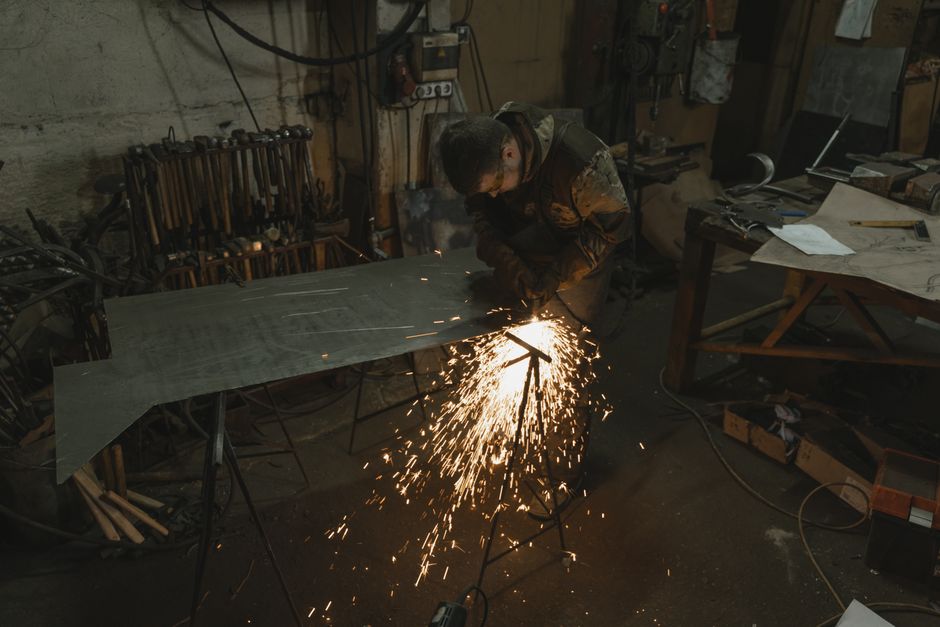
Sheet metal fabrication involves transforming flat sheets of metal into various shapes and structures. This process encompasses several techniques, including cutting, bending, and assembling. The primary materials used in sheet metal fabrication include aluminum, steel, copper, and brass. Each material offers unique properties, making them suitable for different applications.
One of the most common methods used in sheet metal fabrication is laser cutting. This technique provides precision and efficiency, allowing manufacturers to create intricate designs with minimal waste. Another prevalent method is CNC machining, which automates the cutting and shaping processes, enhancing production speed and accuracy.
Applications of Sheet Metal Fabrication
The applications of sheet metal fabrication are vast and diverse. In the automotive industry, for instance, sheet metal components are essential for creating car bodies, chassis, and engine parts. The lightweight nature of materials like aluminum helps improve fuel efficiency and performance.
In the construction sector, sheet metal is used for roofing, siding, and ductwork. Its durability and resistance to weather conditions make it an ideal choice for structural applications. Furthermore, the electronics industry relies on sheet metal fabrication for producing enclosures and heat sinks, ensuring the protection and cooling of delicate components.
Benefits of Sheet Metal Fabrication
One of the significant benefits of sheet metal fabrication is its cost-effectiveness. Compared to other manufacturing processes, sheet metal fabrication can produce high-quality components at a lower cost, especially when large quantities are involved. Additionally, the process allows for rapid prototyping, enabling businesses to bring their products to market quickly.
Another advantage is the ability to customize designs. Manufacturers can easily alter dimensions, shapes, and features based on specific requirements, providing flexibility in production. This customization capability is particularly beneficial for industries that demand unique or specialized components.
Future Trends in Sheet Metal Fabrication
The future of sheet metal fabrication is poised for innovation, driven by advancements in technology. Automation and robotics are expected to play a significant role in enhancing efficiency and precision. With the integration of artificial intelligence, manufacturers can optimize their processes, reduce errors, and improve overall productivity.
Furthermore, sustainability is becoming increasingly important in the manufacturing sector. Companies are exploring eco-friendly materials and practices to minimize their environmental impact. For instance, utilizing recycled metals and adopting energy-efficient processes are gaining momentum in sheet metal fabrication.
Conclusion
In conclusion, sheet metal fabrication is an essential process that underpins various industries. Its versatility, cost-effectiveness, and ability to produce customized components make it a preferred choice for manufacturers. As technology continues to evolve, the future of sheet metal fabrication promises exciting developments that will further enhance its capabilities and applications. For those interested in learning more about the intricacies of sheet metal fabrication, the possibilities are truly endless.